
Plants
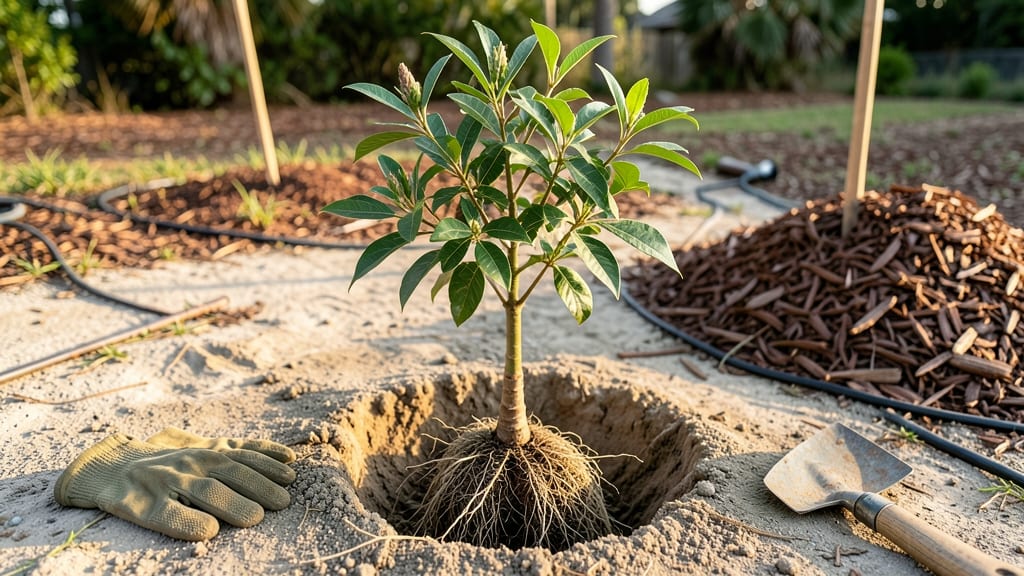
Planting your 🌸 Crepe Myrtle at the wrong time in Florida’s brutal heat could mean struggling to establish roots before summer’s scorching sun takes over.
The key to thriving canes lies in understanding when to put them in the ground—because unlike cooler climates, Florida’s year-round warmth actually narrows your window for success.
Most Florida gardeners assume they can plant anytime, but the late winter to early spring window (January through March) is your golden opportunity. This timing lets your Crepe Myrtle establish roots before summer’s peak intensity, giving it the best chance to handle Heat Zones 8-11’s relentless sun.
If you miss that window, don’t panic—fall planting (October-November) can work too, but you’ll need extra care to protect young trees from late-season heat spikes.
Whether you’re starting with bare-root plants or transplanting mature specimens, timing directly impacts how quickly your tree grows from a 2-foot sapling to a towering 30-foot beauty.
Let’s break down the exact months to plant, how to prep your soil for Florida’s sandy conditions, and the critical care steps that’ll keep your Crepe Myrtle thriving year after year—no matter when you put it in the ground.
Best planting windows for crepe myrtle in Florida heat zones 8-10
Florida’s Heat Zones 8-10 create unique challenges for crepe myrtle planting—too early and roots struggle with summer heat, too late and growth stalls before spring. The ideal window is narrow but critical for success.
Unlike northern climates, Florida’s frost-free year-round means timing focuses on avoiding peak heat stress and ensuring proper root establishment.
Most Florida gardeners plant crepe myrtles in late winter to early spring (January-February), when soil temperatures stabilize above 60°F (15°C). This timing aligns with natural rainfall patterns and gives roots 3-4 months to establish before summer’s intensity.
However, late fall (November-December) also works if you’re planting bare-root trees, as cooler temps reduce transplant shock.
Here’s why avoiding summer planting is non-negotiable: Florida’s summer heat (often exceeding 90°F+) causes transplant shock, where young roots can’t absorb water fast enough. Even mature crepe myrtles struggle with establishment stress if planted after May 1st.
The exception is container-grown trees, which can handle summer planting if given extra shade and frequent watering.
| Planting Window | Soil Temp Requirement | Humidity Consideration | Best For |
|---|---|---|---|
| January-February | 60°F+ (15°C+) | Moderate (30-50%) | Bare-root & container-grown |
| November-December | 55°F+ (13°C+) | High (50-70%) | Bare-root only |
| June-August | N/A (Risky) | Extreme (70%+) | Container-grown only |
⚠️ Pro Tip: Test soil moisture daily after planting—Florida’s sandy soil drains too fast for young roots.
For container-grown crepe myrtles, you have slightly more flexibility—these can be planted year-round in Florida, but spring or fall still offer the best results.
The key is acclimating the tree to outdoor conditions 1-2 weeks before planting by moving it outside during the day and bringing it in at night. This hardens the roots and reduces transplant shock.
If you’re planting mature crepe myrtles (3+ years old), late winter is still ideal, but you’ll need to prune back 1/3 of the canopy before transplanting to reduce stress. Smaller varieties like ‘Natchez’ or ‘Arapaho’ handle transplanting better than tall standards, which require extra root ball care.
One common mistake Florida gardeners make is planting crepe myrtles too deep. The root flare (where the roots meet the trunk) should sit 1-2 inches above soil level.
Burying it deeper suffocates the roots and leads to rot or poor growth. Use a spade to loosen soil around the root ball before backfilling to encourage root spread.
Remember, Florida’s sandy soil drains too quickly for crepe myrtles, so amend the planting hole with compost or peat moss to retain moisture. Mix in a slow-release fertilizer (like 6-10-10) to give roots a nutrient boost during establishment.
This is especially critical in Heat Zone 10, where soil can bake to 100°F+ in summer.
Finally, mulch heavily (3-4 inches) around the base of the tree using pine straw or wood chips. This mimics Florida’s natural forest floor and helps retain moisture while keeping roots cool. Avoid volcanic rock mulch, which heats up and can burn roots in our intense sun.
Timing your crepe myrtle planting right in Florida isn’t just about the calendar—it’s about reading the microclimate of your yard. Watch for rainfall patterns, soil temperature shifts, and even humidity spikes to fine-tune your approach.
With the right window, your crepe myrtle will thrive through Florida’s extremes and reward you with stunning blooms for decades. 🌸
How to prepare crepe myrtle for Florida’s extreme heat after planting
Once your Crepe Myrtle is planted in Florida’s Heat Zones 8-10, the real challenge begins: protecting those delicate roots from the sun’s relentless intensity. Without proper care, your tree could struggle to establish before summer’s peak hits—leaving it weak, leggy, or even dead.
The first 30 days after planting are critical, as roots need time to adapt before facing Florida’s brutal 90°F+ temperatures.
I’ve learned from years of Florida gardening that watering schedules, mulching techniques, and shade acclimation are non-negotiable. Skipping these steps often leads to stressed plants that never reach their full 6-30-foot potential.
Let’s walk through the exact steps to give your Crepe Myrtle the best shot at thriving through Florida’s summer heat.
Step-by-Step Heat Prep for Crepe Myrtle
- 💧 Water deeply every 3-5 days for the first month, providing 1-2 gallons per tree. Use a drip irrigation system or soaker hose to keep roots consistently moist without wetting foliage.
- 🌿 Apply 3-4 inches of organic mulch (pine straw or wood chips) around the base, keeping it 6 inches away from the trunk. This mimics Florida’s natural forest floors and retains moisture while regulating soil temperature.
- ☀️ Provide partial shade (30-50%) for the first 2 weeks using shade cloth or planting near existing trees. Gradually reduce shade over 4-6 weeks to harden off the plant for full sun.
- 🌱 Fertilize lightly with a balanced 6-10-10 formula 4-6 weeks after planting. Avoid heavy feeding during summer—your tree’s energy should focus on root growth, not foliage.
- 🪴 Monitor for leaf scorch or wilting. If you see these signs, increase watering frequency temporarily and check for pests like aphids or scale, which thrive in Florida’s heat.
One mistake I see often is overwatering once the tree is established. While Crepe Myrtles are drought-tolerant once rooted, they despise soggy soil. After the initial 30-day critical period, reduce watering to weekly deep soaks unless we’re in a prolonged dry spell.
Florida’s sandy soils drain quickly, so let the top 2 inches dry out between waterings.
For mulching, I recommend sticking with organic options like pine straw or cypress mulch, which break down slowly and improve soil structure over time. Avoid plastic mulches—they trap too much heat and can actually harm your tree’s roots.
Replenish mulch annually to maintain its protective layer, especially after Florida’s rainy season when it decomposes faster.
If you’re planting in late spring (April-May), take extra precautions by providing additional shade and watering daily during the hottest afternoons. I’ve seen trees planted in June struggle mightily—some never recover. The key is giving your Crepe Myrtle time to acclimate before Florida’s summer really kicks in around July-August.
Remember, your goal is to help your tree establish a deep root system before the real heat arrives.
With these steps, your Crepe Myrtle will be ready to handle Florida’s summers and reward you with vibrant blooms from summer through fall—just like the ones thriving in my own backyard. 🌸