
Plants
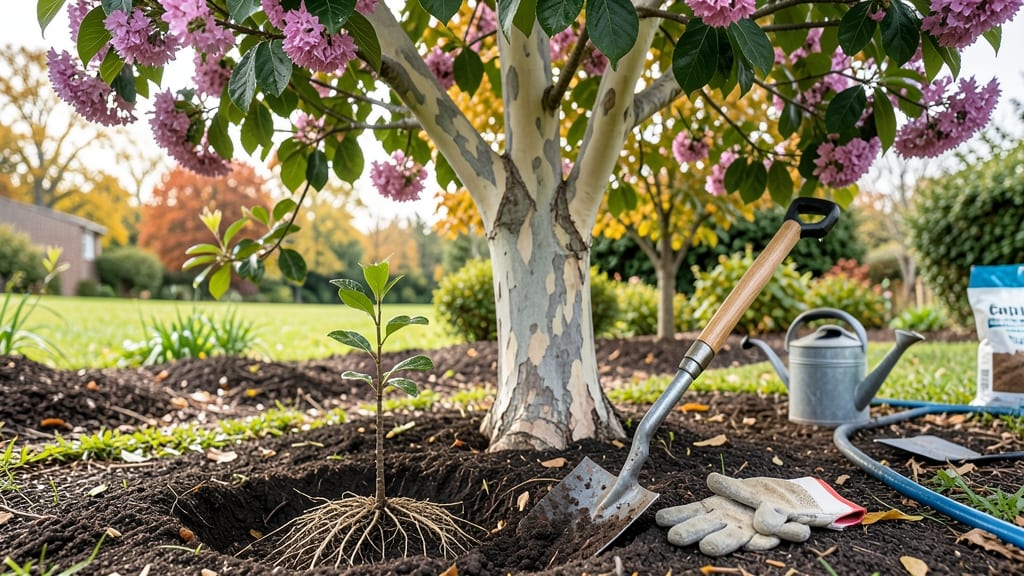
Planting your 🌸 crape myrtle at the wrong time in Virginia’s Zone 7a can mean the difference between vibrant blooms and a struggling tree—so timing is everything.
Virginia’s climate throws curveballs, with unpredictable frost dates and shifting heat zones that make planting tricky. Whether you’re in the Piedmont or Coastal Plain, getting this right ensures your tree thrives from the start.
I’ll break down the best months to plant—spring vs. fall—and how to adjust for Virginia’s quirks, like late frosts or early heatwaves. Spoiler: Fall is your safest bet, but there’s a narrow window in spring too.
By the end, you’ll know exactly when to dig in, how to prep your soil, and even which varieties handle Virginia’s weather best. Let’s get your 🌸 crape myrtle off to the right start!
Virginia heat Zone 7a planting deadlines: best months for crape myrtles
Timing your crape myrtle planting in Virginia’s Heat Zone 7a is critical—these trees thrive when planted during their optimal soil temperature windows. Miss the mark, and you risk stunted growth, poor blooms, or even tree death.
The key is understanding when soil warms enough to support root establishment while avoiding extreme heat or frost.
For most gardeners in Zone 7a, spring (mid-April to early May) and fall (mid-September to early October) are the sweet spots.
These windows align with Virginia’s average last frost date of March 15 and first frost of November 15, giving crape myrtles enough time to root before dormancy or summer stress sets in.
Here’s the breakdown you need to nail your planting schedule:
Spring planting gives crape myrtles a head start on the growing season, but you must wait until the soil temperature consistently stays above 60°F. Use a soil thermometer to check—planting too early in cold soil can suffocate roots.
In Virginia’s Piedmont region, this typically aligns with late April, while Coastal Plain areas may be ready by mid-April due to warmer microclimates.
Fall planting, on the other hand, allows roots to establish before winter dormancy. Aim for 6-8 weeks before your first frost date—this gives crape myrtles time to adapt without rushing. In Zone 7a, this translates to mid-September to early October.
Planting later than October risks root shock from sudden cold snaps, especially in the Shenandoah Valley, where nights can drop quickly.
Pro tip: If you’re unsure about your local frost dates, check the Virginia Cooperative Extension’s frost maps or use a frost calendar for your specific county. For example, Richmond’s last frost is often March 20, while Blacksburg’s can linger until April 5.
Adjust your deadlines accordingly to avoid frost damage to tender new growth.
One common mistake I see is gardeners planting crape myrtles in late spring (June) when the heat is already intense. While these trees are drought-tolerant once established, young transplants struggle with establishment stress during Virginia’s 90°F+ summers.
If you miss the spring window, fall is your next best option—just don’t wait past early October.
For container-grown crape myrtles, you have a slightly longer window—they adapt better to temperature fluctuations. However, even potted trees should be planted when soil temps are above 50°F to prevent root rot from lingering moisture in cold soil.
If you’re planting in containers, use a fast-draining mix with perlite to mimic ideal Virginia soil conditions.
Remember, crape myrtles are not frost-hardy when young—their roots need time to acclimate. If you’re in a warmer microclimate (like the Coastal Plain), you might push spring planting to late April, but always monitor nighttime temperatures.
A hard freeze below 28°F can kill new transplants, so have a frost cloth on hand if early blooms appear.
🌸
Crape myrtle varieties and their ideal planting times in Virginia
Not all crape myrtles thrive equally in Virginia’s Heat Zone 7a. Different varieties have unique needs—some bloom earlier, others tolerate heat better, and dwarfs require special timing. Choosing the right planting window for your crape myrtle variety ensures vibrant blooms and robust growth.
For early bloomers like ‘Tonto,’ you can push the envelope by planting in late winter (February) if using container-grown trees. This gives them a head start, but be prepared to harden them off as Zone 7a’s unpredictable spring arrives. These varieties reward patience with earlier summer blooms.
Early Bloomers (e.g., 'Tonto')
Plant in late winter (February) if using container-grown trees to jumpstart blooms, but harden off in Zone 7a.
Heat-Tolerant Varieties (e.g., 'Muskogee')
Can handle late spring (May) planting if watered deeply post-transplant, but fall is still ideal for stress-free establishment.
Dwarf Varieties (e.g., 'Avalanche')
Best planted in fall (September) to establish roots before compacted summer soils dry out.
If you’re growing heat-tolerant varieties like ‘Muskogee,’ you have a bit more flexibility. These crape myrtles can handle late spring (May) planting if you commit to deep watering afterward. However, fall remains the safest option for all varieties, as cooler temperatures reduce transplant shock.
For dwarf varieties like ‘Avalanche,’ fall planting is critical. Their smaller root systems struggle in compacted summer soils, so giving them time to establish before winter’s chill is key. Aim for September planting to avoid stress during Virginia’s hot, dry summers.
Pro tip: Check your specific variety’s mature height—taller crape myrtles need deeper root zones, so adjust planting depth accordingly. Always dig a hole twice as wide as the root ball to encourage outward growth.