
Plants
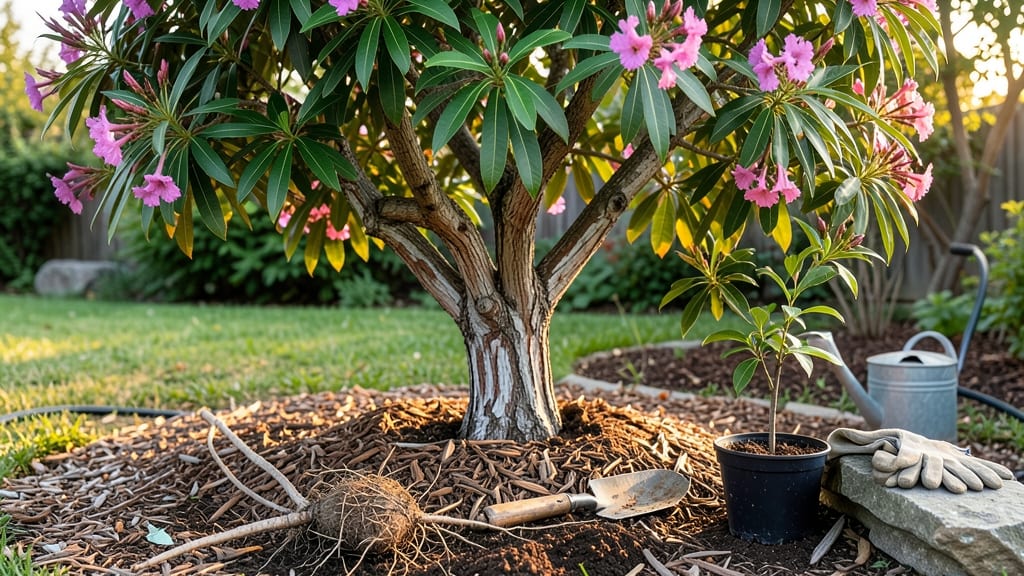
Planting your crape myrtle 🌸 at the wrong time in Texas could mean the difference between a showstopping summer display and a struggling sapling.
The key isn't just picking a season—it's understanding how your specific Texas zone (like 8a-10b) dictates the perfect window to avoid transplant shock and maximize those vibrant blooms.
Most gardeners assume spring is the only option, but fall planting actually gives crape myrtles a head start in Texas' brutal heat.
I'll break down exactly when to plant in your region—whether you're in North Texas dealing with late frosts or South Texas where the ground stays warm longer—and how to tell when conditions are just right.
You'll discover how to prep your soil for Texas' clay-heavy earth, when to water (and when to back off), and the 3 signs your crape myrtle is thriving after planting.
These tips will help you avoid common mistakes that lead to weak growth or even tree death in our intense summers.
By the end, you'll have a clear timeline tailored to your Texas zone, plus actionable steps to keep your crape myrtle healthy through our long, hot seasons. Let's get those roots established the right way—so you can enjoy years of bold, reliable blooms every summer.
Texas heat-Zone planting timeline: when to plant crape myrtle by region
Texas spans USDA zones 7-10, creating wildly different planting windows for crape myrtles. In North Texas (Zone 7b-8a), like Dallas and Fort Worth, your last frost typically arrives around February 15, while South Texas (Zone 9a-10b), including Houston and San Antonio, enjoys frost-free winters.
This means fall planting (September-October) is ideal for northern regions, while southern gardeners can extend their window into early November.
For spring planting, aim for late February to early April in North Texas and March to May in South Texas. The key is waiting until soil temperatures consistently stay above 60°F—cold soil shocks young roots.
Use a soil thermometer to check; if it’s below 60°F, delay planting by 2-4 weeks.
Bare-root crape myrtles can handle fall planting better than container-grown varieties, which need extra time to recover from transplant shock. In Central Texas (Zone 8a-8b), like Austin, the sweet spot is September 15-October 15 for fall or March 1-April 15 for spring.
Always adjust for unpredictable Texas weather—a late frost can devastate early spring plantings.
Container-grown crape myrtles are more flexible than bare-root varieties, allowing a 2-3 week extension in either direction. For example, in Zone 8b Austin, you could plant containers as late as October 30 or as early as March 1 without risking frost damage.
However, avoid planting during Texas heatwaves (above 95°F), as the stress slows root establishment.
Microclimates matter in Texas! Urban areas like Dallas experience urban heat islands, making soil warmer earlier in spring. Test your soil with a soil thermometer—if it’s consistently above 65°F at 6 inches deep, it’s safe to plant.
Rural areas may need to wait an extra week or two for soil to warm.
Pro tip: Use mulch (2-3 inches of shredded bark) to regulate soil temperature. Dark mulch warms soil faster in spring, while light-colored mulch (like straw) helps insulate roots in fall. Always water deeply before planting to encourage root growth into moist soil.
For bare-root crape myrtles, soak roots in water for 1-2 hours before planting to rehydrate them. Container-grown trees need their root balls watered thoroughly the day before transplanting. Both types benefit from a mycorrhizal fungus treatment to boost root health in Texas’ heavy clay soils.
If you miss the ideal window, don’t panic! Crape myrtles are resilient. In South Texas (Zones 9-10), you can plant year-round, but avoid December-January when afternoon humidity spikes. For northern zones, fall planting is safer—it gives roots time to establish before summer heat arrives.
Remember: Texas’ unpredictable weather means checking local frost dates yearly. Use resources like the Texas A&M AgriLife Extension for updated forecasts. With the right timing, your crape myrtle will reward you with vibrant blooms from June to September!
Signs your crape myrtle planting timing is perfect (or wrong)
Timing your crape myrtle planting right in Texas isn’t just about checking a calendar—it’s about reading your soil, weather, and even the plant’s own cues.
Miss these signs, and you risk transplant shock or stunted growth. Let’s break down what to watch for before sticking that shovel in the ground.
First, soil temperature is your best friend. Crape myrtles thrive when soil reaches at least 60°F. Use a soil thermometer to check—if it’s cooler, wait. Cold soil slows root growth, leaving young trees vulnerable to disease and pests.
Pro tip: In North Texas, aim for mid-March; in South Texas, late February works.
Next, observe the leaf buds on your crape myrtle. Swollen, green buds mean it’s ready to grow. Planting when buds are still tight (or worse, dormant) delays blooming.
Look for leaf bud swell—that’s your green light. If buds are already unfolding, you’ve waited too long, and the tree may struggle in Texas’ brutal summer heat.
🌱 Callout-Warning:
⚠️ Planting Too Early = Frost Risk
Texas’ unpredictable frost dates can catch you off guard. Planting in February in North Texas? A late freeze could kill new growth. Wait until after the last frost—even if that means delaying until April.
🌡️ Rule of thumb: If your local 100-degree day is still months away, hold off. Crape myrtles need time to establish roots before facing Texas’ scorching summers.
Don’t ignore the weather forecast. A stretch of 90°F+ days right after planting? That’s a recipe for heat stress. Monitor the 7-day outlook—if highs are consistently above 85°F, delay planting until cooler evenings return. Young crape myrtles wilt faster than you’d think in Texas’ dry heat.
Finally, check the moisture level of your soil. Crape myrtles hate soggy roots, but they also need consistent moisture to take root. If your soil is bone-dry, water it deeply 24 hours before planting to help the roots settle in.
Stick your finger in—if it’s dry past 2 inches, hold off until after rain.
Watch for these red flags that mean you’ve waited too long: leaves curling in the heat, yellowing foliage, or buds dropping off. These signs scream transplant shock, and your crape myrtle may never recover.
When in doubt, wait one more week—Texas summers are long, but your tree’s first year is critical.