
Plants
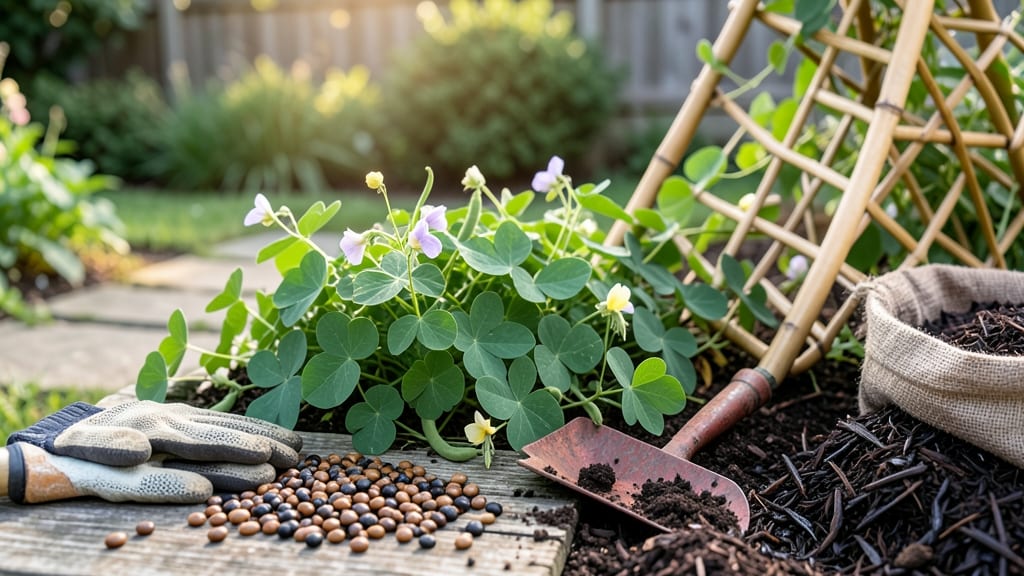
Planting cowpeas at the wrong time in Oklahoma can mean the difference between a bountiful harvest and wasted effort. This warm-season crop thrives when temperatures climb, but timing matters—especially in USDA Zone 8a where summers scorch and winters stay mild.
Most gardeners in Oklahoma wait until mid-April or later to plant cowpeas, once soil temperatures hit 60°F and the last frost has passed. But did you know you can also sow them in late summer for a fall harvest? The key is understanding how Oklahoma’s heat zone affects growth.
In this guide, I’ll break down the best planting windows for cowpeas in Oklahoma, including soil prep tips and how to avoid common mistakes. Whether you’re a first-time gardener or a seasoned pro, these insights will help you grow healthier, more productive cowpeas all season long.
From choosing the right varieties to extending your harvest window, you’ll learn exactly when and how to plant for success. Let’s get started!
Best planting windows for cowpeas in Oklahoma’s heat zone 8a
Oklahoma’s Heat Zone 8a offers a long growing season perfect for cowpeas, but timing is everything. These warm-season legumes need consistent heat to thrive, so planting too early risks frost damage, while late planting may cut harvests short. The ideal window balances soil warmth and frost-free conditions for maximum yield.
Most Oklahoma gardeners succeed with two planting windows: spring (April–May) and late summer (August–September). Spring plantings align with rising soil temperatures, while fall plantings capitalize on lingering warmth before cooler weather sets in. Let’s break down the best times and what to watch for.
| Planting Window | Soil Temp Requirement | Oklahoma Timeline | Harvest Window | Key Notes |
|---|---|---|---|---|
| Spring (Primary) | 60°F+ | April 15–May 15 | July–September | Best for full-season growth; avoid frost risk |
| Late Summer (Secondary) | 65°F+ | August 1–September 1 | October–November | Extends harvest; watch for early frosts |
| Early Fall (Risky) | 60°F+ | September 15–October 1 | Limited (if frost delayed) | Only for early-maturing varieties; high frost risk |
Spring planting is the safest bet for Oklahoma’s Heat Zone 8a. Aim to sow seeds 2 weeks after your last frost date, typically around mid-April in most regions. Use a soil thermometer to confirm temperatures are above 60°F—cold soil slows germination and weakens seedlings.
For a fall harvest, late summer plantings (August–September) work well. These cowpeas mature faster in the remaining warm months, but choose quick-maturing varieties (50–60 days) to avoid frost damage. Monitor weather forecasts and consider row covers if early frosts threaten.
Microclimates in Oklahoma can shift planting windows by 1–2 weeks. Areas near mountains or lakes may experience cooler nights, delaying spring plantings by 7–10 days. Conversely, urban heat islands can push soil temperatures up earlier, allowing for earlier sowing in cities like Oklahoma City.
Soil preparation is critical. Cowpeas prefer well-draining, slightly acidic soil (pH 5.8–6.5). Work in 2–3 inches of compost before planting to improve fertility. Avoid fresh manure, which can burn young seedlings. In Oklahoma’s clay-heavy soils, mix in sand or perlite to prevent waterlogging.
One common mistake is planting cowpeas too early in hopes of a longer season. Cold soil and nighttime temperatures below 50°F stunt growth and invite pests. If you’re eager to start, use black plastic mulch to warm the soil faster and protect seedlings from temperature swings.
After sowing, maintain consistent moisture—1–1.5 inches of water per week—especially during Oklahoma’s dry spells. Drip irrigation is ideal, as it delivers water directly to roots without wetting foliage (which reduces fungal risks). Mulch with straw to retain moisture and suppress weeds, a must in Oklahoma’s hot, windy summers.
For maximum yield, succession plant every 2–3 weeks during the spring window. This staggered approach ensures a continuous harvest from July through September. In fall, focus on one final planting in early August for a late-season crop before winter sets in.
Remember, cowpeas are heat-loving champions but not drought-proof. In Oklahoma’s intense summers, prioritize shade cloth (30–50%) for young plants and avoid overhead watering during peak heat (12–4 PM). With the right timing and care, you’ll enjoy bountiful pods all season long—even in the heart of Oklahoma’s summer heat.
Best planting windows for cowpeas in Oklahoma’s heat zone 8a
Oklahoma’s Heat Zone 8a creates a unique challenge for cowpea growers—long, hot summers paired with mild winters. The key to success lies in planting during the right temperature windows when soil warmth triggers rapid germination.
Most Oklahoma gardeners achieve the best results with two main planting windows: early spring and late summer.
For spring plantings, aim to sow cowpeas 2-3 weeks after your last frost date, typically between mid-April and early May. This timing ensures soil temperatures stay above 60°F, which is critical for cowpea germination.
In Oklahoma, this usually aligns with when daytime highs consistently reach the 70°F range, signaling it’s safe to plant.
Don’t overlook the late summer window either! Planting cowpeas in late July or August gives you a fall harvest before cooler temperatures arrive. This second planting takes advantage of Oklahoma’s extended growing season, often producing pods well into October when planted correctly.
| Planting Window | Soil Temp Requirement | Oklahoma Timeline | Harvest Window |
|---|---|---|---|
| Early Spring | 60°F+ | Mid-April to early May | June to August |
| Late Summer | 65°F+ | Late July to August | September to October |
When planting cowpeas in Oklahoma, soil temperature is more important than air temperature. Use a soil thermometer to confirm your planting site meets the 60°F minimum—cold soil delays germination and weakens seedlings.
In northern Oklahoma counties, wait until May 1st to avoid unexpected late frosts, while southern regions can plant as early as April 1st.
Pro tip: Direct sow seeds rather than transplanting cowpeas, as they develop deep root systems that establish better from the start. Space seeds 3-4 inches apart in rows 18-24 inches apart to allow for proper airflow and reduce disease risk.
Oklahoma’s humidity makes cowpeas particularly susceptible to fungal issues when planted too densely.
Remember that cowpeas are heat-loving plants, but they also need consistent moisture during establishment. After planting, maintain 1-1.5 inches of water per week until plants reach 6 inches tall.
Once established, they become more drought-tolerant, but Oklahoma’s summer heat can still stress plants if watering lapses occur during flowering.