
Plants
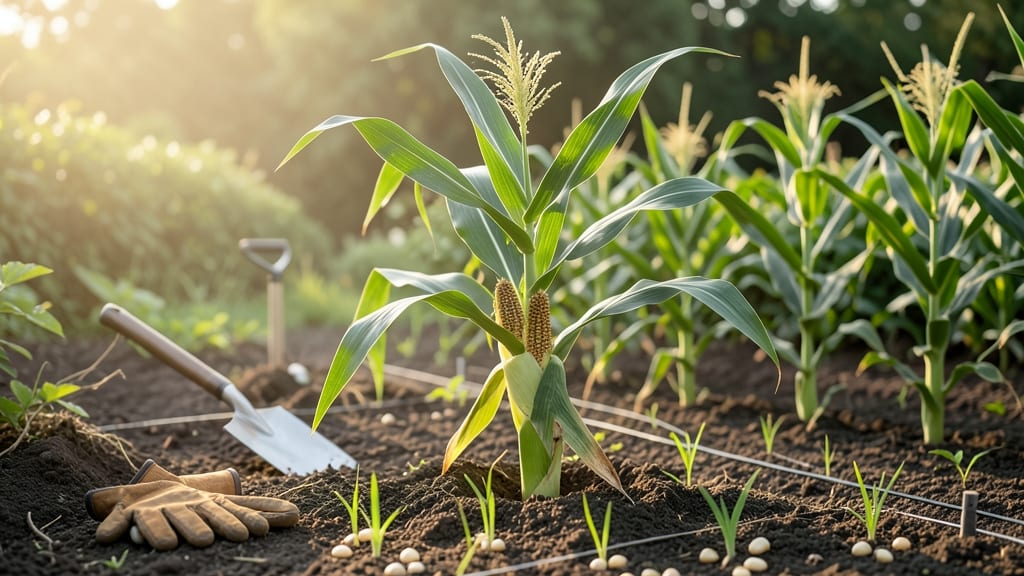
Timing your corn planting just right in Zone 7a could mean the difference between fast germination and weeks of waiting for those first 🌽 shoots to appear.
The ideal window isn't just about avoiding frost—it's about waiting for soil temperatures to hit that sweet spot where seeds wake up and grow.
Most gardeners in 7a reach for their corn seeds between late April and early May, but there's more to it than just calendar dates. Cold soil slows germination, and planting too early can leave your seeds sitting in the dirt for weeks, vulnerable to rot or pests.
Let's break down exactly when—and how—to plant for the fastest, healthiest starts.
You might be tempted to rush planting after the last frost, but soil temperature is the real game-changer. Corn needs warmth to germinate quickly, and waiting for that 50-60°F threshold ensures your seeds don't waste energy struggling in cool conditions.
I'll show you how to check your soil and adjust your schedule for peak performance.
Whether you're growing sweet corn for summer meals or field corn for fall storage, getting the timing right means fewer empty stalks and more harvestable ears. Let's dive into the details so you can set your garden up for success from day one.
Optimal soil temperature ranges for planting sweet and field corn in Zone 7a
Getting the soil temperature right is the secret to fast, even germination for corn in Zone 7a. Unlike cool-season crops, corn thrives when the ground warms up—typically after your last frost date.
For sweet corn and field corn, the magic happens between 50°F and 60°F for seeds to sprout, but growth really takes off when temps hit 60°F to 85°F.
Planting too early when soils are still chilly can leave seeds sitting dormant for weeks, while waiting too long risks running out of your 180 frost-free days in Zone 7a.
I’ve learned the hard way that rushing corn into cold soil leads to uneven sprouting and weak seedlings. A soil thermometer is your best friend here—it’s the only way to know for sure when conditions are perfect.
Stick it 2 inches deep (where corn seeds should sit) and check daily. Early-maturing varieties like 'Silver Queen' can handle slightly cooler soils, while late-season types like 'Country Gentleman' need warmer conditions to reach full potential.
Here’s the key: Soil temps below 50°F delay germination by days or even weeks, while temps above 85°F can stress young plants. Zone 7a gardeners often hit this sweet spot between late April and early May, but your exact timing depends on microclimates.
If you’re in a cooler pocket of the zone, wait until May 1st—if you’re in a warmer area, late April works perfectly.
🌱
Testing soil temperature is simpler than you think. Grab a soil thermometer (digital ones are most accurate) and check it in the morning for 3 consecutive days. If temps consistently stay above 50°F, it’s time to plant.
Pro tip: Place your thermometer near where you’ll sow seeds—soil can vary by 5–10°F just a few feet away, especially near fences or patios that absorb heat.
For early varieties, aim for planting when soil hits 55°F—this gives them a head start before summer heat arrives. Late varieties, on the other hand, can wait until soil reaches 65°F, which often aligns with June in Zone 7a. I’ve had success with 'Peaches & Cream' planted in early May when soils were 58°F, and it yielded ears ready by early July.
One mistake I’ve seen Zone 7a gardeners make is relying on air temperature instead of soil temp. A 70°F afternoon might feel warm, but the soil could still be 45°F deep down.
That’s why I always test soil temps for at least 3 days before planting—it’s the only way to avoid disappointment. If you’re unsure, err on the side of waiting. Corn seeds won’t sprout until conditions are just right.
If your soil is still too cold, you can use black plastic mulch or row covers to warm it up by 5–10°F. Lay the plastic down 1–2 weeks before planting to give the soil time to heat up naturally.
This trick is especially useful if you’re eager to plant early varieties like 'Sweet Baby', which matures in just 60 days.
Remember, corn is a warm-season crop, and rushing it won’t pay off. Patience here means stronger stalks, better
Best planting windows in Zone 7a: month-by-month guide for fast germination
In Zone 7a, your corn planting window is a 6-8 week period that starts after the last frost date—typically around April 15 and extends through early June. The key isn't just avoiding frost, but ensuring soil temperatures stay consistently above 50°F for reliable germination.
Early varieties like 'Early Sunglow' can handle cooler soils, while late varieties like 'Silver Queen' need warmer conditions to thrive.
Most gardeners in 7a focus on two planting windows: the primary window in late April to early May for early harvests, and a secondary window in late May to early June for late-season varieties.
This staggered approach lets you enjoy corn from July through September, maximizing your harvest potential. I recommend marking your calendar based on your last frost date and soil warming trends.
Here’s how to break it down month-by-month for fast, reliable germination:
For a second harvest, consider succession planting in late May or early June. Choose shorter-season varieties (60-70 days to maturity) to ensure they mature before the first frost in mid-October.
I’ve had great success with 'Bodacious' in my Zone 7a garden—it consistently delivers sweet ears even when planted in early June.
Pro tip: Use a soil thermometer to track temperatures daily. Corn seeds won’t germinate below 50°F, and waiting for 60°F+ speeds up sprouting from 7-10 days to just 3-5 days. If your soil is still cold, hold off—patience now means faster, healthier plants later.
🌱