
Plants
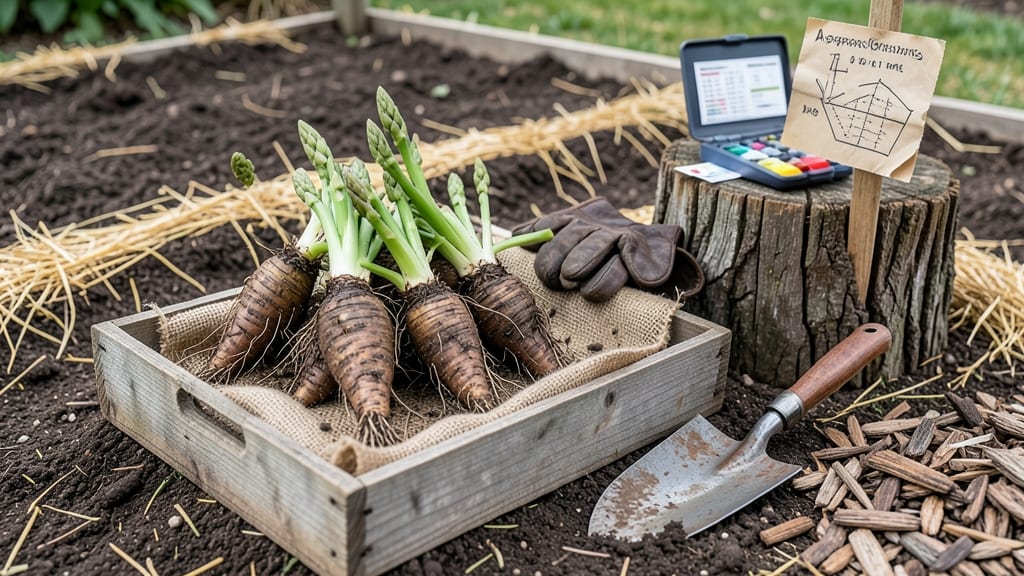
Planting asparagus in Maryland isn’t just about the calendar—it’s about waiting for the soil to warm to 50–60°F, a trick most gardeners overlook.
If you rush and plant too early, your crowns will rot in cold, wet earth, and you’ll be stuck waiting 3+ years for harvests instead of enjoying fresh spears by year three.
Maryland’s 7a/7b climate means timing your asparagus 🌱 right can mean the difference between a thriving garden and a wasted investment.
Most guides tell you to plant in early spring, but that’s only half the story. The real secret? Checking soil temperature—not just the air temperature. In Maryland, that usually lands in late March to early April, but frost can push it later.
I’ll show you how to test your soil’s readiness so you never plant too soon or too late, and why fall planting is a risky gamble in this region.
You’ll also discover the one mistake that kills asparagus roots before they even sprout—and how to fix it before it’s too late. Whether you’re a first-time gardener or a veteran with failed asparagus beds, these soil-temperature hacks will help you time your planting perfectly for Maryland’s growing season.
Ready to grow asparagus that produces for decades? Let’s get your crowns in the ground at the exact right moment—no guesswork, just reliable harvests starting in year three. Here’s how to make it happen.
Optimal Maryland asparagus planting timeline by soil temperature (not calendar date)
Maryland’s 7a/7b climate means traditional planting dates can fail if you ignore soil temperature—not just calendar months. Asparagus crowns need 50–60°F soil to root successfully, and Maryland’s unpredictable spring can throw off even the most experienced gardeners.
Unlike annuals, asparagus takes 2–3 years to establish, so getting this right from day one is critical for a productive patch.
Most guides tell you to plant in March or April, but that’s too vague for Maryland.
Instead, focus on soil warmth: Plant when soil reaches 50°F at 6-inch depth—this typically aligns with mid-to-late March in most of Maryland, but can shift 2–3 weeks later in colder microclimates like the western mountains.
Fall planting is also possible if soil stays above 50°F until November, but this is riskier due to frost.
Here’s the key: Test your soil with a soil thermometer ($10 at garden centers) or use the finger test. Push your hand 6 inches deep—if the soil feels warm but not hot (like a warm bath), it’s ready.
Cold, damp soil = root rot risk. Warm, dry soil = perfect timing.
Spring planting is the safest bet for Maryland gardeners. Aim for mid-March to early April, but verify soil temps weekly—some years, late April might be your only window.
For example, in Baltimore (7b), I’ve seen soil hit 50°F by March 10 in warm years but not until April 1 in cooler springs. Pro tip: Plant Jersey Knight or Mary Washington varieties—they handle Maryland’s humidity better than fussy European types.
Fall planting is high-risk but possible if your soil stays warm late. Test temps in late September—if they’re 55°F+ at 6 inches, you can plant. Use black plastic mulch to trap heat and straw mulch 4 inches deep to insulate roots before frost.
I’ve had success with fall plantings in southern Maryland (7b), but in western zones (7a), frost usually arrives too soon.
One common mistake is planting too early because the air temperature feels warm while soil is still cold. Asparagus crowns need consistent warmth to avoid fungal diseases like root rot.
If you plant in February or November, your crowns may survive but won’t establish properly, pushing back your first harvest by 6–12 months. Always prioritize soil temp over calendar dates.
To extend your planting window, use row covers or cold frames to warm soil faster. I’ve added compost piles nearby to radiate heat into the bed—this can raise soil temps by 5–10°F in a few days.
Just avoid fresh manure, which can burn roots. Instead, use well-aged compost mixed into the top 12 inches of soil before planting.
Remember: Patience pays off with asparagus. If you plant at the right soil temp, your crowns will establish strong roots by summer, and you’ll see spears by year 3.
Skip the guesswork—grab a soil thermometer, test daily, and plant when the numbers say “go”. Your future harvests will thank you.
Optimal Maryland asparagus planting timeline by soil temperature (not calendar date)
Maryland’s 7a/7b climate demands precision when planting asparagus—soil temperature, not calendar dates, determines success. Most gardeners wait too long, risking stunted growth.
The magic window opens when soil reaches 50–60°F, typically late March to early April in Maryland’s warmer zones (like Baltimore) and early April to mid-April in cooler areas (like Frederick).
Fall planting is not recommended in Maryland—asparagus crowns need 6–8 weeks to establish roots before winter dormancy. Planting too early in fall risks rot, while late fall leaves them vulnerable to freeze-thaw cycles. Stick to spring planting for reliable results.
| Stage | Soil Temp | Maryland Timeline | Action |
|---|---|---|---|
| Soil Prep | 40–50°F | Early March | Test soil pH (6.5–7.0), amend with compost. |
| Planting Window | 50–60°F | Late March–Early April | Plant crowns 12" deep, 12" apart. |
| First Harvest | N/A | Year 3 (May–June) | Harvest spears 6–8" tall, never more than 1/3 of shoots. |
To test soil temperature, use a soil thermometer—insert it 4–6 inches deep in the morning. If it reads below 50°F, wait 1–2 weeks. Maryland’s last frost date (around March 15) is irrelevant here; soil warmth is the true signal.
Pro tip: Cover beds with black plastic mulch 2 weeks before planting to warm soil faster.
Once planted, mulch heavily with straw to retain moisture and regulate soil temperature. Avoid wet soil—asparagus roots rot easily in Maryland’s humid springs. Water deeply once a week until establishment (Year 2), then reduce to bi-weekly once mature. Overwatering is a common mistake that stalls growth.
Remember: Patience pays off. Asparagus takes 2–3 years to produce spears, but a well-timed Maryland planting ensures decades of harvests. Mark your calendar for late March and test that soil—your future spears depend on it! 🌱