
Plants
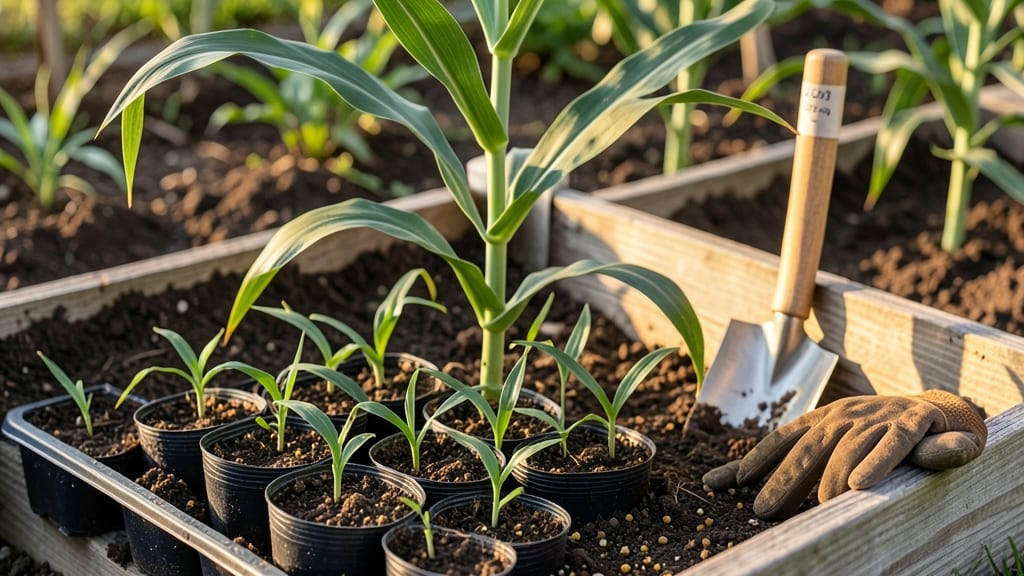
Planting corn at the wrong time in Zone 6b can turn your 🌽 dreams into frost-nipped disappointment—but getting the timing right guarantees a garden full of golden ears.
The difference between success and failure often comes down to those critical 2 weeks after your last frost date, when soil temperatures finally cooperate.
Most gardeners in Zone 6b know the general rule: wait until mid-April to early May, but that’s not always enough.
I’ve learned the hard way that even a single late frost can wipe out tender seedlings, so I now track soil temps (aim for 60°F+) and adjust planting dates based on my local microclimate. This isn’t just about dates—it’s about giving your corn the perfect head start.
In this guide, I’ll break down the exact planting window for your region, including backup dates if Mother Nature throws a curveball. You’ll also discover how to prep your soil, space your seeds, and protect your crop from common Zone 6b risks like late frosts and uneven germination.
Whether you’re growing sweet corn for summer meals or popcorn for movie nights, these strategies will help you maximize your harvest—no guesswork, just reliable results. Let’s get your corn off to the best possible start.
Best planting dates for corn in Zone 6B (with frost risk breakdown)
Getting your corn seeds in the ground at the right time in Zone 6B is critical—one week too early can mean frost damage, while waiting too long cuts your harvest short.
The last frost date in most of Zone 6B falls around mid-April, but soil temperature is just as important as air temperature. Corn needs soil temps of 60°F or warmer to germinate properly, which often means waiting until late April or early May.
If you plant too soon, your seedlings may rot in cold, wet soil. If you wait too late, your corn won’t mature before the first frost in mid-October. With only about 165 frost-free days in Zone 6B, timing is everything.
For most sweet corn varieties, aim for a planting window between April 20 and May 10, but adjust based on your microclimate and variety.
Here’s a quick breakdown of your Zone 6B corn planting window with frost risk factors:
For Zone 6B gardeners, I recommend planting your main crop in early May to ensure a full harvest before frost. If you want to extend your season, consider staggered plantings every 2 weeks—this way, you’ll have fresh ears from late July through September.
Just be sure to choose fast-maturing varieties (60–75 days to harvest) for the best results.
Pro tip: Use a soil thermometer to confirm your soil is warm enough before planting. Corn seeds won’t sprout below 50°F, and germination slows dramatically below 60°F. If your soil is still cold in late April, wait it out—your patience will pay off with a healthier crop.
Another key factor is your microclimate. Gardens near large bodies of water or in low-lying areas may experience later frosts, while elevated spots or urban areas often warm up faster.
Pay attention to local frost alerts and adjust your planting date accordingly. If frost is forecasted after planting, cover your seedlings with frost blankets or row covers to protect them.
Finally, don’t forget that corn needs space. Planting too early can lead to overcrowding as plants grow taller, so stick to 4–6 inches apart in rows 30–36 inches wide. This spacing ensures good airflow and reduces the risk of fungal diseases, which thrive in damp, crowded conditions.
If you’re still unsure about your exact planting date, check your local cooperative extension service for Zone 6B-specific frost data. They often provide hyper-local advice tailored to your county’s climate patterns—worth the quick call or email!
How to adjust planting dates for early vs. late varieties of corn
Not all corn is created equal—your sweet corn needs a different planting window than popcorn or field corn. In Zone 6b, where the growing season is short (just 165 frost-free days), timing becomes everything.
Early varieties mature in 60-75 days, while late varieties can take up to 120 days, so planting them together is a recipe for disaster.
I’ve found that staggering plantings by 10-14 days between early, mid-season, and late varieties extends my harvest from late July to early September. This way, when the first ears are ready, the later ones are still developing.
For Zone 6b, early varieties like 'Early Sunglow' should go in first, followed by mid-season 'Silver Queen', and late varieties like 'Black Aztec' last.
Here’s the key: Soil temperature matters more than air temperature. Corn seeds won’t sprout until the soil reaches 60°F+. In my garden, I use a soil thermometer to confirm readiness—planting too early when the ground is still cold leads to rotten seeds or slow germination.
Late frosts in Zone 6b (common until mid-April) can also wipe out tender seedlings, so I always wait until after the average last frost date.
| Variety Type | Days to Maturity | Zone 6b Planting Window | Harvest Window | Staggering Tip |
|---|---|---|---|---|
| Early Sweet Corn | 60-75 days | Mid-April to early May | Late July to early August | Plant first for earliest harvest |
| Mid-Season Sweet Corn | 75-90 days | Late May to early June | Mid-August to early September | Plant 10-14 days after early varieties |
| Late Sweet/Popcorn | 90-120 days | Early June | Late September (if frost-free) | Risky in Zone 6b—use frost cloth |
| Field Corn | 100-120 days | Late May (soil must be warm) | Late September to October | Plant last; prioritize late-season heat |
For popcorn varieties, I often plant them alongside late sweet corn because they share similar maturity windows. However, field corn (like 'Mira') is a gamble in Zone 6b—it needs the longest growing season, so I only attempt it if I’ve had an exceptionally warm summer.
To hedge my bets, I plant field corn in early June and use row covers to extend the season.
Pro tip: If you’re short on space, try succession planting every 2 weeks instead of staggering by variety. This works especially well for sweet corn, ensuring a steady supply of fresh ears.
Just remember to thin seedlings to 4-6 inches apart once they’re 3-4 inches tall—crowding stresses plants and reduces yield.
Finally, don’t forget that Zone 6b’s first frost typically hits in mid-October. If your late varieties are still green, harvest the ears before the frost hits—even if the kernels aren’t fully mature, they’ll still be edible (just less sweet).
With these adjustments, you’ll turn your 165-day growing window into a 3-month corn harvest! 🌽