
Companion Plants
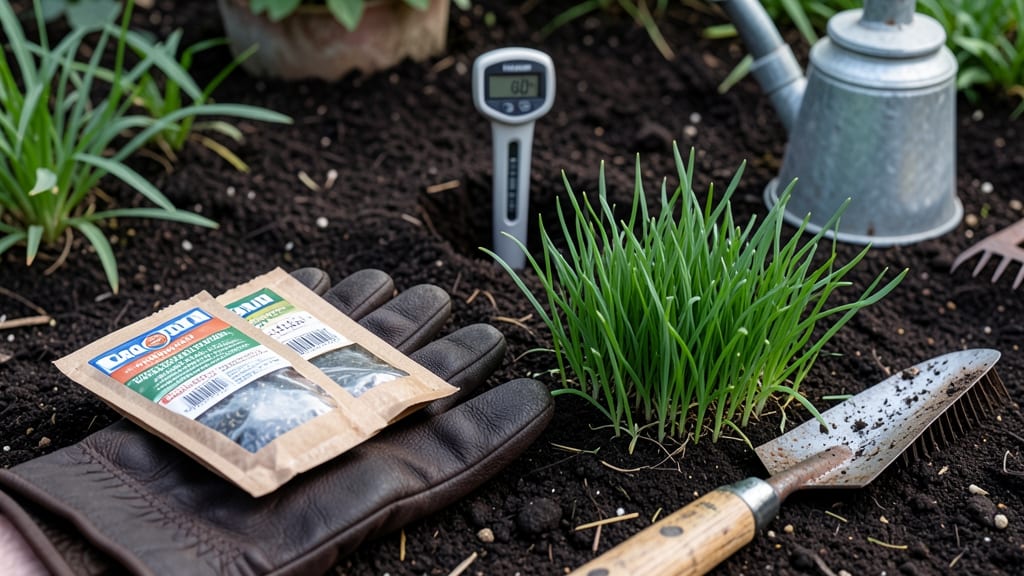
Planting your spring grass at the wrong time can mean thin patches or wasted seed—soil temperatures are the real game-changer for lush, fast germination. If you've ever stared at a seed packet wondering, "Why isn't my lawn taking off?" the answer likely lies in timing more than technique.
Most gardeners in USDA Zone 6a (like me!) assume March is the magic month, but that’s where many go wrong. The key isn’t just the calendar—it’s waiting for soil to warm to 55-65°F, a rule that saves you from frost-killed seedlings.
I’ll show you exactly how to test your soil and pick the perfect window for your region.
Cool-season grasses like Kentucky Bluegrass or Fescue thrive when planted 4-6 weeks before your last frost (April 15 in Zone 6a), but warm-season Bermuda or Zoysia need to wait until after May 1.
We’ll break down the fastest methods to prep your soil, choose the right seed, and avoid common pitfalls that turn green dreams into brown patches.
Ready to skip the guesswork? Let’s dive into the step-by-step checklist that’ll have your 🌱 Grass (Lawn) growing thick and green in no time—no more second-guessing, just results.
Ideal soil temperature ranges for planting grass in spring
Planting grass at the wrong time can leave you with patchy lawns or wasted seed. The key to success lies in soil temperature, which varies dramatically by grass type and USDA zone.
Cool-season grasses like Kentucky bluegrass and fescue thrive when soil warms to 55-65°F, while warm-season varieties such as Bermuda and Zoysia need 70-75°F or higher. Understanding these ranges ensures fast germination and a lush lawn. 🌱
Your local climate plays a huge role—Northern states like Minnesota or New York may see ideal planting conditions in late April or May, while Southern states like Texas or Florida can start as early as February.
Always wait until after the last frost date to avoid seed damage. Testing your soil temperature with a soil thermometer (available for under $10) is the best way to confirm readiness. 🌡️
Here’s the golden rule: Plant cool-season grass 4-6 weeks before your area’s last frost date and warm-season grass after the soil consistently stays above 70°F.
For example, in USDA Zone 5, that might mean mid-April for cool-season types, while Zone 9 could start as early as February. Timing is everything! ⏰
| Grass Type | Ideal Soil Temp (°F) | Best Planting Months (US) | Key Notes |
|---|---|---|---|
| Cool-Season (Kentucky Bluegrass, Fescue, Ryegrass) | 55–65°F | March–April (North), Feb–March (South) | Plant 4–6 weeks before last frost; thrives in cooler weather. |
| Warm-Season (Bermuda, Zoysia, St. Augustine) | 70–75°F+ | May–June (North), March–April (South) | Wait until soil stays warm consistently; drought-tolerant once established. |
| Transition Zone (Tall Fescue, Buffalo Grass) | 60–70°F | April–May | Flexible timing; adapt to local frost patterns. |
Testing your soil temperature is simpler than you think. Use a soil thermometer to check 2 inches deep—the depth where grass seeds germinate. If your soil is too cold, seeds may rot; if it’s too hot, they’ll dry out before sprouting.
For cool-season grass, aim for 55°F or warmer for at least a week before planting. In warmer climates, monitor temperatures closely to avoid planting too early when soil may still be cool. 🌡️
Another critical factor is moisture consistency. Grass seeds need constant moisture to germinate, but soggy soil can suffocate them. Water lightly twice daily (morning and evening) to keep the top 1 inch of soil damp until germination.
Overwatering is a common mistake—1 inch per week is plenty once seeds sprout. Mulch lightly with straw to retain moisture and protect seeds from drying winds. 💧
Regional variations can shift planting windows by weeks or even months. For instance, Pacific Northwest gardeners might plant in early March, while Midwest lawns often wait until late April. Check your USDA Hardiness Zone and local agricultural extension office for tailored advice.
Even within a state, microclimates (like urban heat islands) can affect soil warmth. Use a weather app to track 7-day forecasts for sudden temperature drops. ☀️
If you’re unsure about your soil temperature, consider seed varieties with wider tolerance ranges. Tall fescue, for example, handles 50–85°F soil temperatures, making it a versatile choice for transition zones.
For cool-season lawns, mix ryegrass (fast germinator) with fescue (longer lifespan) to balance early growth and durability. Always read your seed packet for specific recommendations—some blends are formulated for early spring planting. 🌱
One final pro tip: Prepare your soil 2–4 weeks before planting. Loosen the top 4 inches of soil with a rake or tiller, remove debris, and level the area. Adding compost or a starter fertilizer (high in phosphorus) boosts root development.
Avoid fresh manure—it can burn seeds and attract pests. A well-prepped bed ensures your grass seeds have the best chance to thrive once the soil reaches the right temperature. ✂️
Ideal soil temperature ranges for planting grass in spring
Getting your spring grass planting timing right starts with understanding soil temperature. Cool-season grasses like Kentucky bluegrass and fescue thrive when soil hits 55-65°F, while warm-season types such as Bermuda or Zoysia need 65-75°F to germinate properly.
Planting too early in cold soil can leave seeds dormant or rot, while waiting too long risks summer heat stress.
Most USDA zones 3-7 should aim for planting 4-6 weeks after the last frost date when daytime temps consistently stay above 50°F. For example, in Zone 5, this typically means early April, while Zone 8 gardeners can start as early as February.
Always check your local National Weather Service for frost predictions.
🌱 Soil Temperature Guide for Spring Grass Planting
| Grass Type | Ideal Soil Temp | Best Planting Window | USDA Zones |
|---|---|---|---|
| Cool-Season (Kentucky Bluegrass, Fescue, Ryegrass) | 55-65°F | Early Spring (March-April) | 3-7 |
| Warm-Season (Bermuda, Zoysia, St. Augustine) | 65-75°F | Late Spring (May-June) | 8-11 |
| Transition Zone (Tall Fescue, Buffalo Grass) | 50-60°F | Early to Mid-Spring (March-May) | 4-9 |
To test your soil temperature, use a simple soil thermometer buried 2-4 inches deep in a shady spot. Check temps in the morning for accuracy—soil warms up during the day.
If temps are below 50°F, wait at least 1-2 weeks for consistent warmth. Pro tip: Dark-colored soil warms faster than light soil, so adjust your planting schedule accordingly.
Regional variations matter too. In northern climates, early spring planting risks frost damage, while southern regions may face summer drought if seeded too late. Always match your grass seed variety to your climate—cool-season grasses dominate the North, while warm-season types rule the South.
For example, Tall Fescue thrives in Zone 4-8 and handles temperature swings better than Bermuda grass, which struggles in cooler climates.
One common mistake is relying on air temperature instead of soil temperature. A sunny 70°F day can hide cold soil that’s still below 50°F. Use a soil thermometer for 3-5 days to confirm stable temps before planting.
Also, avoid planting during heatwaves—seeds dry out quickly in 80°F+ soil, reducing germination rates by up to 50%.
For best results, aim to plant when soil temps are consistently 5-10°F above freezing at night. This ensures root establishment without stress. In Zone 5, this often aligns with late April, while Zone 9 gardeners can start as early as February.
Always monitor your local microclimate—south-facing slopes warm faster than shaded areas, so adjust planting times accordingly.