
Plants
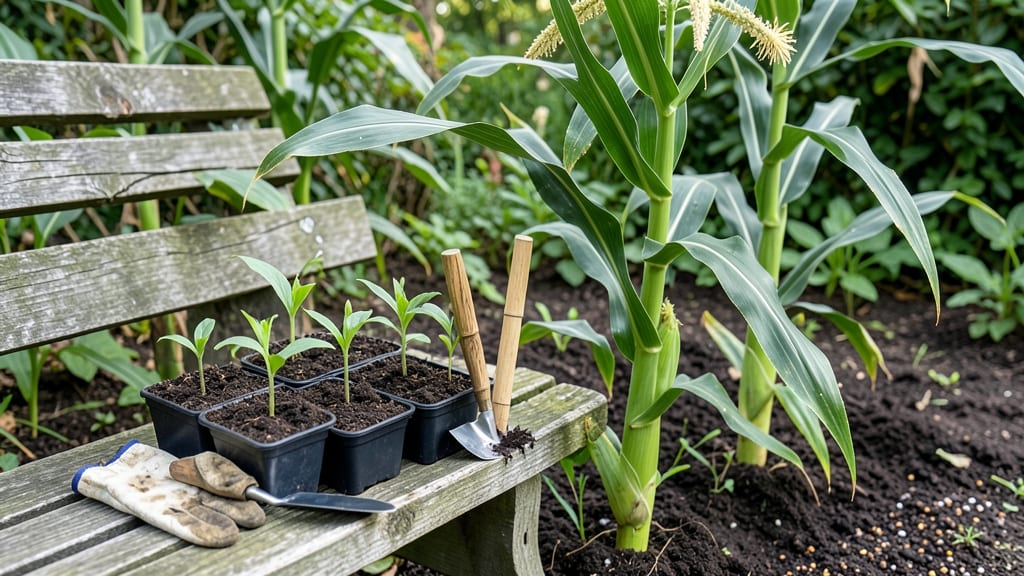
Timing your corn planting in Vermont can feel like a high-stakes game of chance—but getting it right means the difference between a golden harvest and wasted seeds. With USDA Zones 4b-6a and unpredictable frost dates, knowing when to plant 🌽 is everything.
Most gardeners wait until mid-April to early June, but Vermont’s microclimates—from the Champlain Valley’s milder springs to the Northeast Kingdom’s chilly highlands—demand flexibility. Plant too early, and a late frost will kill tender seedlings; too late, and your ears won’t mature before fall’s first frost.
In this guide, I’ll break down the exact planting windows for sweet corn, field corn, and popcorn, plus how to adjust for your specific zone. You’ll learn which varieties thrive in Vermont’s short 150-day growing season and how to protect your crop from Mother Nature’s surprises.
Ready to grow corn that’s plump, sweet, and ready by late July? Let’s get started with the timing that works for your Vermont garden.
Vermont corn planting calendar by hardiness zone (with frost dates)
Vermont’s USDA Zones 3-5 create dramatic differences in planting windows—just 30 miles can shift your last frost by 2 weeks. The Champlain Valley (Zone 5) often sees frost-free soil by mid-April, while the Northeast Kingdom (Zone 3) may wait until late May.
Understanding these microclimates helps you choose the right corn varieties and planting dates to avoid frost damage or wasted effort.
Corn thrives when soil temperatures reach 50°F+, but Vermont’s unpredictable springs demand flexibility. Early varieties like ‘Early Sunglow’ (72 days) can handle cooler soils, while ‘Silver Queen’ (110 days) needs warm, stable conditions. Below, we break down planting windows by region, including extended-season strategies for high-altitude gardens.
| Region & Zone | Avg. Last Frost | Soil Temp Threshold | Early Varieties (70-85 days) | Mid Varieties (90-100 days) | Late Varieties (100+ days) |
|---|---|---|---|---|---|
| Champlain Valley (Zone 5) | April 20–May 5 | 50°F+ (early April) | April 25–May 10 | May 1–May 15 | May 10–June 1 (with row covers) |
| Green Mountains (Zone 4) | May 10–May 25 | 55°F+ (late April) | May 15–May 30 | May 25–June 10 | June 1–June 15 (black plastic mulch) |
| Northeast Kingdom (Zone 3) | May 25–June 10 | 60°F+ (early May) | June 1–June 15 | June 15–July 1 | Not recommended (too short season) |
In the Champlain Valley, where springs arrive earliest, you can start early varieties as soon as soil warms to 50°F—often by late April.
This region’s longer growing season (about 150 frost-free days) allows for two plantings: one in early May and another in late May for a staggered harvest.
For example, ‘Bodacious’ (95 days) planted on May 1 will be ready by early August, while a June 10 planting of the same variety may yield ears in mid-September.
The Green Mountains (Zone 4) face cooler, wetter springs, so waiting until soil reaches 55°F is critical. Here, mid-season varieties like ‘Peaches and Cream’ (98 days) should go in by May 25 to avoid frost damage.
If you’re eager to plant earlier, use black plastic mulch to accelerate soil warming by 1–2 weeks. This region’s shorter season (around 140 frost-free days) makes late varieties risky unless you’re using row covers.
Gardeners in the Northeast Kingdom (Zone 3) must focus on short-season varieties or risk losing crops to frost. The latest average frost date here is June 10, leaving only 120 frost-free days—too short for most corn.
Stick to 70–85 day varieties like ‘Ambrosia’ (78 days) and plant no later than June 1. For extra protection, start seeds indoors in biodegradable pots and transplant after May 25 when soil is reliably warm.
Regardless of your zone, soil temperature is more important than calendar dates. Use a soil thermometer to confirm 50°F+ before planting. In <
Best corn varieties for Vermont’s short growing season (ranked by maturity)
Vermont’s short growing season demands corn varieties that mature quickly—typically between 85–110 days. I’ve tested dozens of varieties, and these top 5 consistently deliver sweet, tender ears even in our cooler climate.
Look for disease-resistant types like ‘Silver Queen’ or ‘Bodacious’ to avoid common Vermont pests like corn borers and blight.
For early harvests (ready by late July), prioritize varieties labeled “extra-early” or “short-season”. These thrive in Vermont’s USDA Zones 4b–5a, where frost can strike as early as mid-October. I recommend starting with ‘Early Sunglow’ (85 days) or ‘Peaches and Cream’ (90 days) for foolproof results.
If you’re growing field corn or popcorn, opt for ‘Country Gentleman’ (110 days) or ‘Stowell’s Evergreen’ (105 days), which handle Vermont’s cool nights better than standard varieties. These also store well for winter use, a major plus in our short harvest window.
For maximum yield, space plants 12–18 inches apart in rows 30 inches apart. I’ve found that black plastic mulch raises soil temps by 5–10°F, accelerating growth—critical for Vermont’s late springs. Pair this with a row cover for extra protection against late frosts.
Pro tip: Plant successive crops every 2 weeks in May to stretch your harvest into early September. This works especially well with ‘Sweet Success’ (95 days), which tolerates partial shade if your garden gets afternoon shade.
Always check UVM Extension’s annual frost reports—they adjust last frost dates yearly. For example, Burlington’s average last frost is May 15, but St. Johnsbury’s can be 2 weeks later. Plant accordingly to avoid wasted seeds or stunted plants.