
Plants
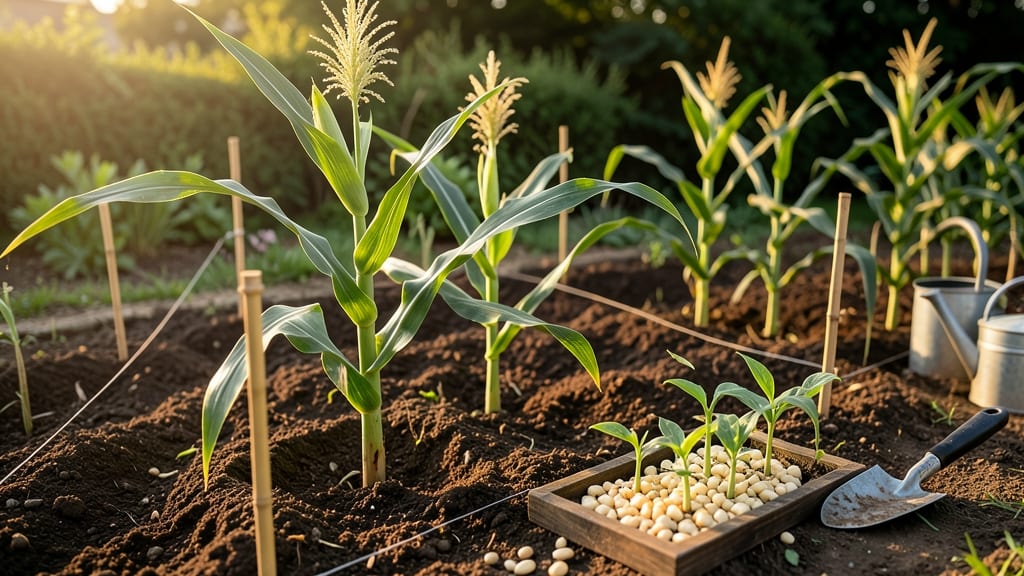
Planting corn in Seattle isn’t just about the calendar—it’s about beating the unpredictable coastal weather that can turn your sweet 🌽 into a sad, stunted mess if you’re off by even a week.
The key? Timing your seeds for soil that’s warm enough (at least 60°F) while avoiding those sneaky late frosts that love to linger past the official last-frost date.
Most Seattle gardeners swear by late April to early June as the sweet spot, but here’s the catch: coastal areas near Puget Sound play by different rules than the drier Eastside.
One wrong move—like planting too early—and your corn might bolt before you even get to taste those juicy kernels. Or worse, rot in soggy soil from Seattle’s infamous spring showers.
I’ve grown corn here for years, and let me tell you: the difference between a bountiful harvest and a flop comes down to knowing exactly when to get those seeds in the ground.
Whether you’re direct-sowing or starting indoors, we’ll break down the perfect planting window for your specific microclimate—and how to adjust if Mother Nature throws you a curveball.
Ready to grow corn that actually thrives in Seattle’s chilly, rainy climate? Let’s dive into the secrets that’ll have you pulling ears straight from the stalk by summer.
Seattle corn planting dates: coastal vs inland start times compared
Seattle’s microclimates create a 3-week difference between coastal and inland planting zones. The Puget Sound coast (like West Seattle) stays cooler longer, while the Eastside (Bellevue, Kirkland) warms up faster. Even within neighborhoods, a 1-mile elevation change can shift your last frost date by 5–7 days.
For sweet corn, timing is everything—plant too early, and cold soil delays germination. Too late, and your crop bolts before producing ears. Seattle’s USDA Zone 8a/8b averages 165 frost-free days, but coastal areas often lose 10–15 days to chilly marine air. Here’s how to pinpoint your exact window.
The soil temperature threshold for corn is 60°F. In Seattle, this typically happens in late April to early May for inland areas, but mid-May for coastal gardens. Use a soil thermometer to confirm—corn seeds won’t sprout below 50°F, and cool soil invites rot.
🌽 Pro Tip: If your soil isn’t warm enough by early May, try black plastic mulch or a cold frame to accelerate warming. This is especially critical for coastal Seattle gardeners who face foggy, slow-starting springs.
🌱 Seattle Corn Planting Windows by Microclimate
| Zone | Last Frost Avg. | Soil 60°F Threshold | Ideal Planting Window | Harvest Window |
|---|---|---|---|---|
| Coastal (West Seattle, Bainbridge) | May 1–10 | Mid-May | May 15–June 1 | July 20–Aug 15 |
| Puget Sound (Ballard, Fremont) | April 25–May 5 | Late April–early May | May 1–May 15 | July 10–Aug 10 |
| Eastside (Bellevue, Kirkland) | April 15–25 | Late April | April 25–May 10 | June 25–July 25 |
| Inland (Redmond, Snoqualmie) | April 10–20 | Early April | April 20–April 30 | June 15–July 15 |
🌡️ Note: Adjust 1–2 weeks earlier if your spring is warm; delay if late frosts occur.
Seattle’s rainy springs add another layer of complexity. Overcast skies delay soil warming, while wind exposure (common in coastal areas) can stress young seedlings. If your garden is wind-prone, plant near a windbreak like a fence or tall shrubs, or use burlap wind barriers to protect tender sprouts.
For direct sowing (the preferred method for corn), wait until nighttime temperatures stay above 55°F. Coastal gardeners should aim for after May 15, while Eastside gardeners can start as early as late April.
If you’re starting seeds indoors (4–6 weeks before transplanting), use grow lights to supplement Seattle’s short spring days.
🌱 Variety Matters: Choose short-season varieties like 'Early Sunglow' (65 days) or 'Ambrosia' (70 days) for coastal Seattle. Inland areas can handle 'Silver Queen' (85 days) or 'Peaches and Cream' (75 days). Always check the days-to-maturity label and subtract your frost-free days to avoid late-season bolting.
One common mistake in Seattle is planting too densely to compensate for a short season. Corn needs space to pollinate—plant 12–18 inches apart in rows 30 inches apart. For succession planting (to extend harvests), stagger sowings every 2 weeks until early June.
This works especially well in warmer inland zones where you can fit two harvests in one season.
💡 Seattle-Specific Hack: If you’re planting in May or June and fear late frosts, try low tunnels or floating row covers to protect young plants. Remove covers when tassels emerge to allow pollination. This buys you 10–14 extra frost-free days in coastal areas.
How to extend Seattle’s corn growing season for bigger harvests
Seattle’s cool, damp springs can make growing corn feel like a losing battle—but it doesn’t have to be. With the right tricks, you can extend the season and even squeeze in two harvests from a single planting.
The secret? Combining cold-hardy varieties, season-extending tools, and smart planting strategies tailored to Seattle’s microclimates. I’ve tested these methods in my own garden, and they’ve turned my sketchy corn yields into reliable, bountiful harvests.
Most gardeners stop at one planting, but by using succession planting and row covers, you can push your corn’s limits. Even in Seattle’s USDA Zone 8a/8b, where summers are short and unpredictable, you can coax extra weeks—and sometimes months—of growing time.
The key is starting early with fast-maturing varieties and protecting young plants from late frosts and chilly nights.
🌱 5 Proven Ways to Extend Your Seattle Corn Season
- 1. Choose fast-maturing varieties like 'Early Sunglow' (65 days) or 'Silver Queen' (75 days) to beat Seattle’s short summer.
- 2. Use row covers (floating or hoop tunnels) to raise soil temps by 5-10°F and protect from late frosts.
- 3. Warm soil with black plastic laid 2-3 weeks before planting to speed germination in cool springs.
- 4. Plant in succession every 2 weeks from late April to early June for staggered harvests.
- 5. Try a second planting in early July with fast varieties for a fall harvest before frost.
One of my favorite hacks is using row covers to create a microclimate. In my coastal Seattle garden, I’ve seen soil temperatures rise from 55°F to 70°F under clear plastic, which is enough to get seeds sprouting weeks earlier.
For inland areas, where summers are hotter, focus on succession planting—staggering plantings every 2 weeks ensures a steady supply of fresh ears.
Don’t overlook soil warming either. Lay down black plastic mulch 2-3 weeks before your target planting date to raise soil temps naturally. I’ve had seeds sprout in just 5 days instead of the usual 10-14 when using this trick.
Pair it with a cold frame for even faster results, especially if you’re planting early in the season.
For a second harvest, try an early July planting with short-season varieties. Even in Seattle, you can often coax another 6-8 weeks of growth before the first frost hits.
Just be prepared to use row covers again to protect tender young plants from unexpected chilly snaps. I’ve pulled second-crop ears as late as early October using this method!
Remember, the goal isn’t just to extend the season—it’s to optimize it. Combine these strategies with proper spacing (12-18 inches apart) and consistent watering (1-2 inches per week) to avoid stress. With the right approach, you’ll be enjoying homegrown sweet corn from July through September—no guesswork required. 🌽