
Plants
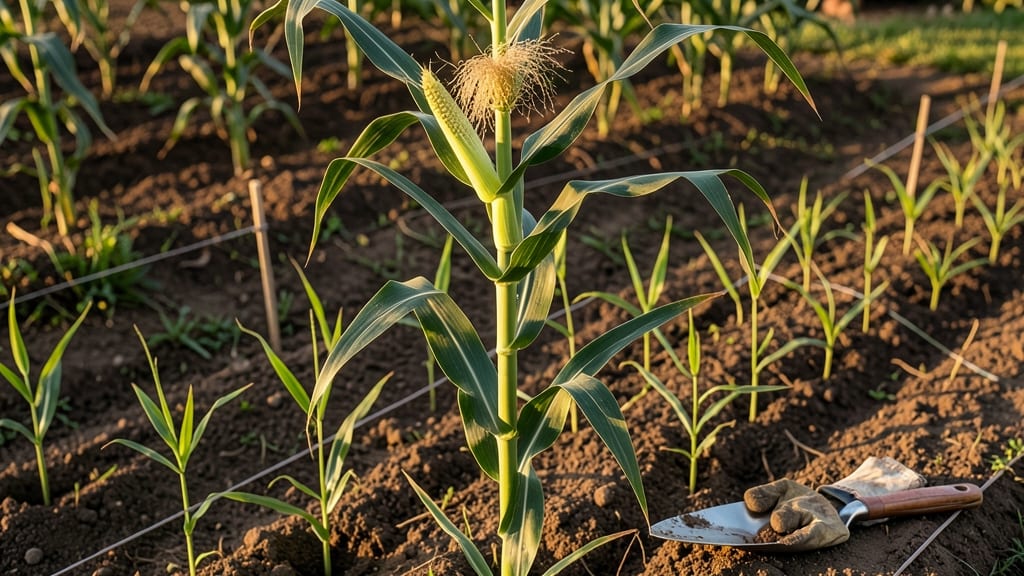
Planting corn in Oklahoma at the wrong time can mean the difference between a bumper crop and a total loss—especially when your soil is still too cold or drought looms just weeks away.
The key to success lies in knowing your microclimate, whether you're in the Panhandle's dry winds or the humid Cross Timbers, because last-frost dates vary by hundreds of miles across the state.
I’ve grown corn in Oklahoma for years, and the one mistake I see most beginners make is rushing the season. Waiting for soil temperatures to hit at least 60°F—not just air temps—is non-negotiable.
Too early, and your seeds rot; too late, and heat stress stunts growth. Let me show you exactly when to plant in your specific zone to avoid these pitfalls.
Beyond timing, Oklahoma’s unpredictable weather adds another layer of challenge. From sudden freezes in May to scorching summers that dry out fields, you’ll need strategies to adapt. We’ll cover backup planting windows, drought-resistant varieties, and how to monitor soil moisture like a pro—so you’re never caught off guard.
Ready to grow corn that thrives despite Oklahoma’s quirks? By the end of this guide, you’ll know not just when to plant, but how to set your crop up for success from day one—no guesswork required.
Oklahoma corn planting dates by microclimate zone (with soil temperature guidelines)
Oklahoma’s 5 distinct microclimates create wildly different planting conditions—what works in humid Eastern Oklahoma can fail in the dry Panhandle. To succeed, align your planting with soil temperature (ideal: 60°F+) and last frost dates, which vary by 10-14 days across the state.
Corn thrives when soil stays above 50°F for 2+ weeks, but 60°F+ ensures rapid germination. Use a soil thermometer to confirm—planting too early in cold soil leads to rotten seeds or stunted growth.
My Panhandle garden lost half its corn last spring by planting 2 weeks early when soil was only 52°F.
Here’s how to match planting dates to Oklahoma’s 5 key zones, plus soil warmth benchmarks to avoid common mistakes:
For early-season planting, test soil moisture—corn needs 1–1.5 inches of water weekly. In drought-prone zones (Panhandle/Western), I’ve had success with black plastic mulch to retain moisture and warm soil faster. Late frosts (common in Central/Eastern Oklahoma) can delay planting, so keep row covers ready to protect seedlings.
Pro tip: Plant succession crops every 2 weeks for continuous harvests. My Southeastern garden yields corn from June through September using this method. Start with early-maturing varieties (60–70 days) if your season is short.
Use the National Weather Service’s frost maps or local Cooperative Extension Service for real-time updates. In 2022’s late frost, I lost my first planting in Central Oklahoma but salvaged the season by switching to drought-resistant varieties and planting 3 weeks later.
Adjust for unpredictable weather by monitoring 7-day forecasts. If a heatwave is predicted, delay planting—corn struggles when soil temps exceed 90°F. In humid zones, prioritize disease-resistant varieties like ‘Silver Queen’ or ‘Peaches and Cream’.
🌽
How to adjust corn planting dates for Oklahoma’s unpredictable weather patterns
Oklahoma’s weather can shift faster than a summer storm, leaving gardeners scrambling to protect their corn crops. Late frosts in April, flash droughts by June, and scorching heatwaves in July all threaten your harvest if you’re not prepared.
The key to success? Flexibility in your planting timeline and smart variety choices that match Oklahoma’s volatile climate.
Most gardeners in Oklahoma’s Central and Eastern regions aim for mid-April to early May plantings, but these dates can fail spectacularly during cold snaps. Even in the warmer Panhandle, where you might plant as early as late March, a single 30°F night can devastate young seedlings.
That’s why I’ve developed a three-step strategy to safeguard your corn: track soil temperatures, use backup planting windows, and select drought-tolerant varieties.
⚠️ Critical Adjustment Rule for Oklahoma Corn
Plant no earlier than when soil reaches 50°F at 4" depth—colder soil delays germination and invites rot. Wait for 60°F+ for faster sprouting, especially in higher-elevation areas like the Ozarks. Use a soil thermometer (not just air temp!) to avoid costly mistakes.
Pro Tip: Oklahoma’s last frost dates vary by 3-4 weeks across regions—check your local USDA zone (5a-7b) and adjust accordingly.
For gardeners in Western Oklahoma, where drought is a constant threat, I recommend planting early-maturing varieties like ‘Silver Queen’ (65 days) in late April to beat the summer dry spell.
In Eastern Oklahoma’s wetter zones, you can stretch your planting window to early May while still avoiding corn earworm pressure, which peaks in June. My rule of thumb? Plant your last batch by June 1—any later and you’ll risk poor pollination from heat stress.
When Oklahoma’s unpredictable weather throws a curveball, don’t panic—have a backup planting plan. I keep succession planting supplies ready: biodegradable pots for late starts, row covers for frost protection, and drip irrigation to maintain moisture during droughts.
For example, if a late-May frost hits, I’ll transplant 3-inch seedlings under protective covers, giving them a 2-week head start over direct-sown seeds.
Drought-resistant varieties like ‘Pioneer Brand 38J53’ (85 days) or ‘Golden Bantam’ (70 days) are my go-to choices for Oklahoma’s water-limited conditions. These varieties thrive with 50% less water than standard corn while still delivering sweet, tender kernels.
Pair them with mulch (straw or grass clippings) to lock in moisture, and you’ll outperform conventional varieties during dry spells.
Don’t forget to monitor NOAA’s Climate Prediction Center for seasonal outlooks—Oklahoma’s La Niña years bring drier conditions, while El Niño winters often lead to wetter springs. Adjust your planting dates 2-3 weeks earlier in drought-prone years, and consider shorter-season varieties to avoid summer heat stress.
With these strategies, you’ll turn Oklahoma’s unpredictable weather into an advantage, not a liability.