
Plants
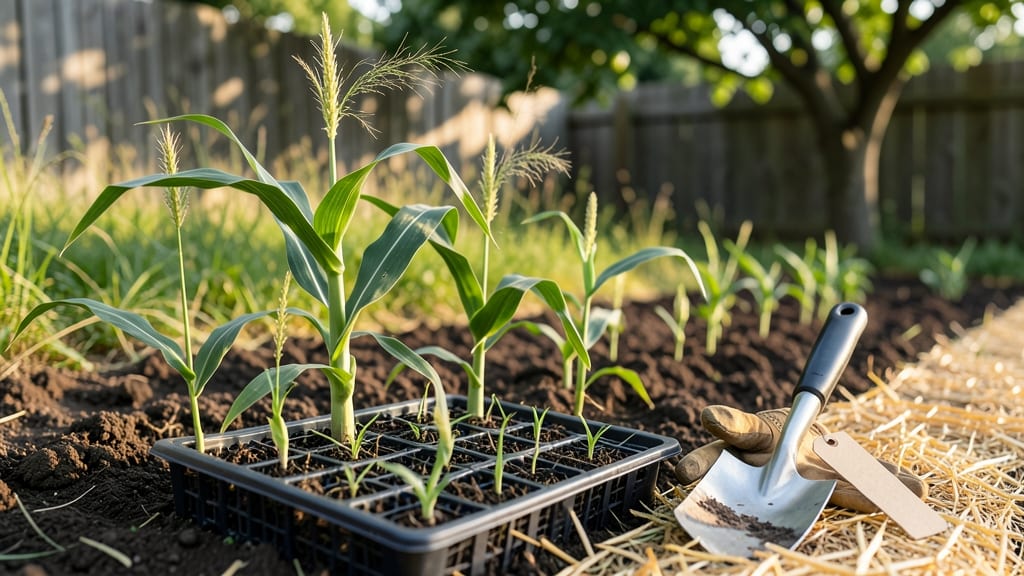
Planting corn in New Jersey at the wrong time can mean the difference between a bountiful harvest and a disappointing flop. 🌽 With mid-April to early June being the ideal window, getting those seeds in the ground too early risks frost damage, while waiting too long cuts your yield short.
As someone who’s watched my own corn plants struggle from timing mistakes, I’ve learned the hard way that soil temperature and frost dates matter just as much as the calendar.
Rutgers University’s research shows that waiting until the soil reaches at least 60°F and after the last frost date is the key to strong, healthy stalks.
But here’s the thing: not all corn varieties thrive on the same schedule. Early-season types like ‘Golden Bantam’ can handle cooler soils, while late varieties need that perfect 70-day window to mature before fall frost hits.
I’ll break down exactly when to plant each type for maximum success in your garden.
Ready to grow corn that’s tall, sweet, and ready for harvest from late July through October? Let’s dive into the timing secrets that’ll have your garden producing ears of corn you’ll be proud to share.
Rutgers-approved planting dates for corn in New Jersey’s climate zones
New Jersey’s diverse climate—spanning USDA zones 6a to 7b—means corn planting times vary by region. In northern NJ (zones 6a-6b), like Sussex or Morris counties, aim for mid-April to early May after the last frost.
Southern areas (zones 7a-7b), such as Cape May or Atlantic, can plant late March to mid-April for an earlier harvest. Rutgers research shows soil must reach 50°F+ for germination, but wait until 60°F+ for faster growth.
Use your local frost-free date as your guide—planting too early risks frost damage. For example, Newark’s average last frost is April 15, while Trenton’s is April 1.
Always check the NJ State Climate Office for yearly updates. Corn thrives with 165 frost-free days, so plan accordingly to avoid late-season blight.
🌱
| Climate Zone | Planting Window | Soil Temp Threshold | Frost-Free Date | Best Varieties |
|---|---|---|---|---|
| 6a (Northern NJ) | Mid-April to early May | 60°F+ | April 15–May 1 | ‘Silver Queen’, ‘Golden Bantam’ |
| 6b (Central NJ) | Late March to mid-April | 55°F+ | April 1–April 15 | ‘Ambrosia’, ‘Peaches and Cream’ |
| 7a-7b (Southern NJ) | Late March to early April | 50°F+ | March 20–April 1 | ‘Country Gentleman’, ‘Honey & Pearl’ |
For successful germination, plant seeds 1–1.5 inches deep in rows spaced 30–36 inches apart. Use a soil thermometer to confirm warmth—cold soil delays sprouting. In cooler zones (6a), opt for early-maturing varieties (60–70 days) like ‘Golden Bantam’ to avoid fall frost.
Southern gardeners can plant late varieties (80–90 days) like ‘Peaches and Cream’ for extended harvests.
Rutgers Extension recommends succession planting every 2 weeks in May and June to stretch your harvest. For example, plant a first batch in late April (for July harvests) and a second batch in early June (for September harvests). This works especially well for home gardeners with limited space.
If you’re in a microclimate (e.g., near water or urban heat islands), adjust planting by 1–2 weeks earlier. For instance, a south-facing garden in zone 6a may warm up faster than a north-facing one. Always monitor nighttime temperatures—corn needs consistent warmth to thrive.
🌿
Prepare your soil 2–3 weeks before planting by adding compost or aged manure to boost fertility. Corn is heavy-feeder, so aim for 10-10-10 NPK fertilizer at planting and again when plants reach knee height.
Avoid over-fertilizing with nitrogen—it promotes leafy growth over ears. Rutgers trials show balanced fertilization increases yields by 20–30%.
Finally, watch for late blight, a fungal disease common in NJ’s humid summers. Plant resistant varieties like ‘Ambrosia’ and avoid overhead watering. Mulch with straw or grass clippings to keep soil moist and suppress weeds.
With the right timing and care, your corn can reach 8–10 feet tall and produce plump, sweet ears ready for harvest.
☀️
How to adjust planting time for early vs. late varieties of corn
Corn isn’t just corn—there are three main types with drastically different planting needs: sweet corn, field corn, and popcorn. Each variety thrives on a unique schedule, and planting them at the wrong time can mean the difference between a bumper crop and a disappointing harvest.
In New Jersey’s USDA zones 6a-7b, timing is critical to avoid frost damage or late-season pests.
Rutgers University recommends staggering your plantings to extend the harvest window. Early varieties like ‘Golden Bantam’ mature in just 60-70 days, while late varieties such as ‘Silver Queen’ take 85-95 days. By planting both early and late, you can enjoy fresh ears from July through October.
The key? Adjusting your schedule based on the variety’s days to maturity and your local last frost date.
🌽 Comparison Table: Planting Times for Corn Varieties in New Jersey
| Variety Type | Days to Maturity | Best Planting Window (NJ) | Harvest Window | Rutgers Recommendation |
|---|---|---|---|---|
| Sweet Corn (Early) | 60-70 days | Mid-April to late May | Late July to early September | ‘Golden Bantam’, ‘Early Sunglow’ |
| Sweet Corn (Mid-Season) | 75-85 days | Late April to early June | Late August to October | ‘Silver Queen’, ‘Ambrosia’ |
| Sweet Corn (Late) | 90-100 days | Early May to mid-June | September to October | ‘Country Gentleman’, ‘Peaches and Cream’ |
| Field Corn | 100-120 days | Late April to early May | Late September to October | ‘Pioneer Brand 33B38’ |
| Popcorn | 85-100 days | Early May to mid-June | September to October | ‘Golden Midget’, ‘Tom Thumb’ |
For sweet corn, I recommend planting early varieties first (mid-April) to capture the July harvest peak. Follow with mid-season varieties (late April) for an August-October stretch. Late varieties should go in by early June to avoid early frost risks before maturity.
Rutgers suggests spacing plantings 10-14 days apart to ensure a continuous supply.
Field corn and popcorn need longer growing seasons, so plant them no earlier than late April. These varieties are more frost-tolerant at maturity but still benefit from warm soil temperatures (at least 60°F).
If you’re growing popcorn for homestead storage, aim for a late September harvest to ensure full kernel development before winter sets in.
Pro tip: Use black plastic mulch to warm soil faster and extend your planting window by 1-2 weeks. This is especially useful for late varieties in cooler NJ zones.
Just remember to remove it before harvest to avoid soil contamination. With the right timing, you can enjoy fresh corn for months—not just a single harvest! 🌽