
Plants
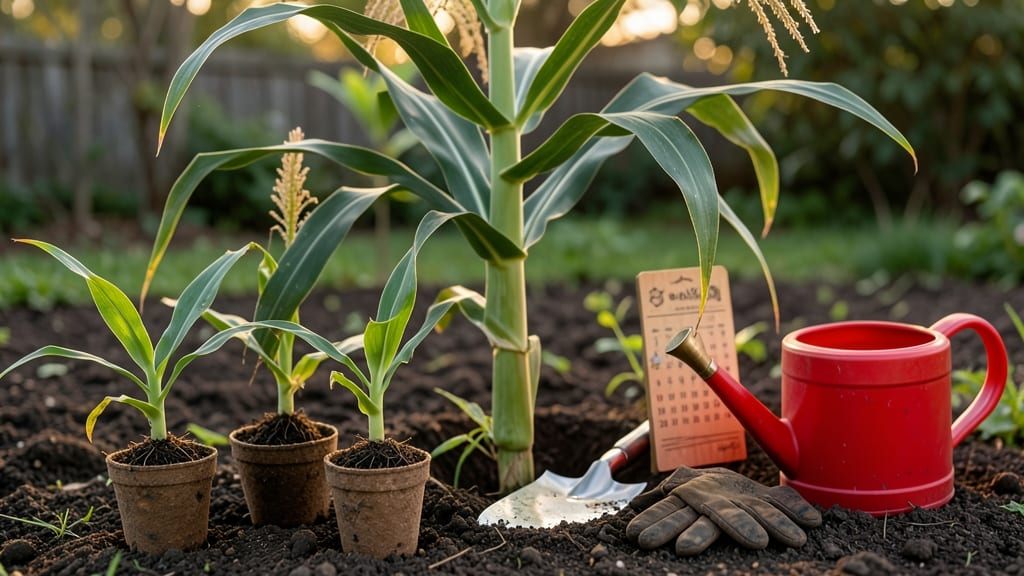
Planting corn in Houston isn’t just about avoiding frost—it’s about outsmarting the city’s unpredictable heatwaves and humidity spikes that can turn your crop into a flop before it even starts.
The perfect window isn’t just mid-March to April; it’s a narrow sweet spot where soil warms to 60°F+ and the air stays damp enough to support those towering 🌽 stalks without stressing them out.
Here’s the kicker: Houston’s USDA Zone 9a might seem forgiving, but urban heat islands and late-spring temperature swings mean your neighbors’ success stories won’t cut it.
I’ve tested the timing myself—too early, and your seedlings get fried by a sudden 90°F day; too late, and you’re racing against summer’s relentless sun before ears even form.
What you’ll discover is how to sync your planting with Houston’s microclimates, from raised beds that warm faster to rural patches that hold moisture longer. Plus, I’ll share the top 3 corn varieties that thrive here, including how to stretch your harvest window into October when others give up.
Skip the guesswork—let’s get your corn growing like a pro, not a gamble. Ready to turn your backyard into a golden ear goldmine?
Houston corn planting calendar: frost-free deadlines by Zone
Houston’s USDA Zones 8a-9a offer a long growing season, but corn thrives best when planted at the right time. The average last frost date for Houston is around March 15, but urban areas like downtown can experience frost up to March 25 due to microclimates.
Rural areas typically warm up faster, giving you a 5-7 day window advantage for planting.
Corn seeds need soil temperatures of at least 60°F to germinate properly. In Houston, soil warms up quickly after the last frost, but early March plantings risk stunted growth if temperatures dip.
For maximum yield, aim to plant mid-March to early April in most areas, with late April as a backup for late frosts.
Here’s how Houston’s microclimates affect your planting schedule. Urban areas like Memorial, Montrose, and the Heights stay cooler longer, while rural areas (Katy, Pearland, Sugar Land) warm up faster. Use this comparison to adjust your timing:
For extended harvests, consider a second planting in late June to early July. This late-season crop benefits from Houston’s long daylight hours and avoids the peak summer heat that can stress plants.
Choose fast-maturing varieties (like ‘Peaches and Cream’) to ensure ears develop before the first frost in mid-December.
If you’re using raised beds, you can plant 1-2 weeks earlier because soil warms up faster. Monitor soil temperature with a soil thermometer—corn seeds won’t germinate below 55°F, but 60°F+ ensures strong, rapid growth.
In Zone 9a areas, you might even squeeze in a third planting in August for a fall harvest.
Pro tip: Shade cloth can protect young seedlings from Houston’s intense afternoon sun in late spring. Once plants reach 6 inches tall, they’ll tolerate full sun. Mulch with straw or grass clippings to retain moisture and regulate soil temperature during erratic spring weather.
Remember, humidity is your friend in Houston—corn loves it! But fungal diseases like gray leaf spot thrive in wet conditions. Space plants 12-18 inches apart for airflow and water early in the morning to let foliage dry quickly. This simple habit can double your yield by preventing disease.
Start seeds indoors 2-3 weeks before your target planting date if you’re concerned about frost. Use biodegradable pots to transplant seedlings without disturbing roots. Harden them off for 3-5 days before moving to the garden to reduce transplant shock.
🌽
5 Critical factors that determine Houston’s ideal corn planting time
Houston’s humid subtropical climate throws a curveball at corn growers—what feels like "spring" in March can suddenly spike to 90°F by April, while rural areas stay cooler for weeks longer. The soil temperature isn’t just a number; it’s the real gatekeeper for corn success.
I’ve seen seedlings wilt within days when planted before the soil hits 60°F, even if air temps look perfect.
Then there’s the urban heat island effect: city sidewalks and buildings trap heat, making raised beds 5-10°F warmer than in-ground soil just blocks away. This means your neighbor’s "perfect" planting date might fry your corn while yours thrives.
Let’s break down the 5 non-negotiable factors that separate Houston corn winners from guessers.
Wait until soil reaches 60°F+ at 4" depth. Use a soil thermometer—Houston’s urban heat islands can make city soil warm 2 weeks earlier than rural areas.
Houston’s 90%+ humidity in spring creates ideal conditions for corn smut. Plant when morning dew dries by 9 AM and avoid overhead watering after 6 PM.
City raised beds warm 3-5 days faster than in-ground soil. Rural areas stay cooler longer—adjust planting dates 1-2 weeks later if you’re outside the city limits.
Houston’s April heat spikes (90°F+) can shock seedlings. Use black plastic mulch to protect roots or plant shade cloth for the first 2 weeks if temps rise suddenly.
Raised beds in Houston can be planted 2 weeks earlier than in-ground soil. Fill with 50% compost to retain moisture and add 1 inch of straw mulch to regulate temperature swings.
Here’s the kicker: even after you’ve nailed these factors, Houston’s summer’s relentless sun means your corn’s ear development window is just 6-8 weeks.
That’s why I recommend planting successive batches every 2 weeks from March to May—spread the risk and stretch your harvest into October when others are giving up.
Pro tip: If you’re in a shady microclimate (like under large oak trees), skip corn entirely—it needs full sun. Instead, try sweet potatoes, which thrive in Houston’s partial shade and heat. But for corn? Sun = success, and Houston delivers—just on its own brutal timeline.
Ready to plant? Grab your soil thermometer, mark your calendar for mid-April (with flexibility for your microclimate), and let’s grow those 12-foot stalks like a Houston pro. 🌽