
Plants
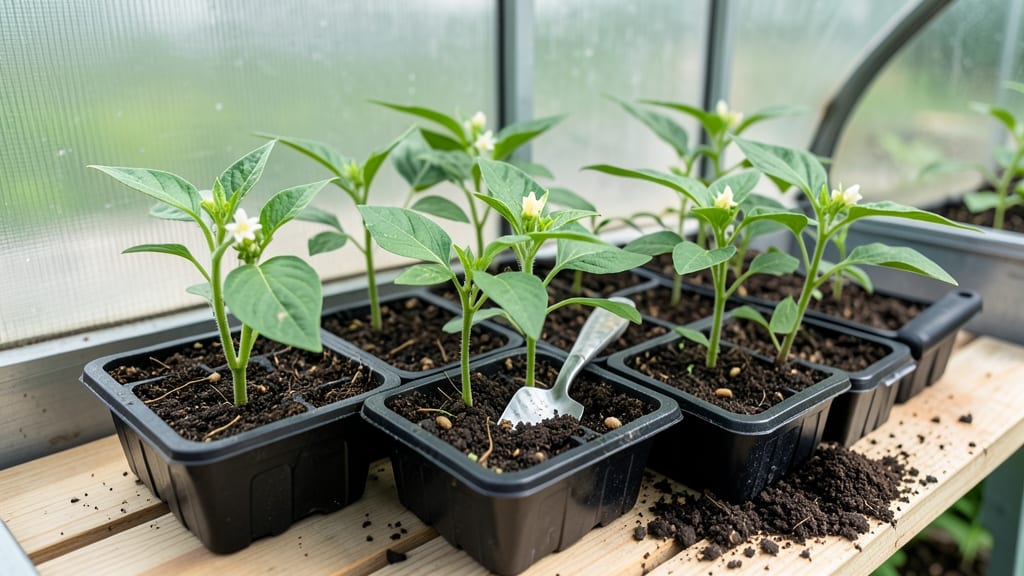
Planting chillies in the UK isn’t just about the calendar—it’s about soil warmth, and getting it wrong can mean the difference between a thriving 🌶️ harvest and wasted seeds. Too early, and your seeds will languish in cold soil; too late, and you’ll miss the sweet spot for fruiting.
The secret lies in waiting for that 15°C soil trigger, which varies wildly across regions—from late April in the south to June in cooler northern areas.
If you’ve ever stared at a packet of chilli seeds wondering, “Can I even grow these here?”, the answer is yes—but timing is everything. I’ve grown chillies in both greenhouses and outdoors, and the fastest way to success is understanding your local frost dates and soil conditions.
Whether you’re starting seeds indoors or transplanting young plants, knowing when to act makes all the difference.
Let’s break it down: from seed-starting indoors in March to hardening off plants in May, and finally transplanting after the last frost. I’ll share my top tips for extending your growing season, whether you’re using a greenhouse, polytunnel, or just a sunny windowsill.
By the end, you’ll know exactly when to plant for maximum heat and yield—no guesswork involved.
Ready to turn your UK garden into a chilli powerhouse? The clock is ticking, and the soil is waiting. Let’s get those seeds in the ground at the perfect moment.
UK chilli planting dates by region: soil temperature charts for success
Timing your chilli planting is critical in the UK, where soil temperatures below 15°C (59°F) can stall germination. Chillies thrive when soil warmth hits 18-22°C (64-72°F), so regional differences matter. Southern UK gardeners can plant 2-3 weeks earlier than those in Scotland, where cooler soils delay growth.
Use the last frost date as your baseline, but don’t rush—chillies need 180-220 frost-free days to mature. In the South (e.g., Cornwall, Kent), aim for mid-April to early May for outdoor planting, while Northern regions (e.g., Yorkshire, Scotland) should wait until late May to June.
Greenhouse growers gain a 4-6 week advantage, allowing earlier sowing (from mid-March) and extended harvests. For polytunnels or indoor setups, you can push sowing back to February, but ensure grow lights or supplemental warmth are in place.
🌱
| Region | Outdoor Planting Window | Greenhouse/Polytunnel Start | Soil Warmth Threshold | Frost Risk |
|---|---|---|---|---|
| South (Cornwall, Kent) | Mid-April to early May | Mid-March to April | 15°C+ (sooner) | Low after mid-April |
| Midlands (Birmingham, London) | Late April to early May | Late March to April | 16°C+ (wait longer) | Moderate until late May |
| North (Yorkshire, Scotland) | Late May to June | April to early May | 17°C+ (delayed) | High until June |
| All Regions (Indoor) | N/A (transplant later) | February to March | 20°C+ (heat mat) | None (controlled) |
For microclimates, like urban heat islands or sheltered spots, you can plant 1-2 weeks earlier. Use a soil thermometer to confirm warmth—chillies won’t germinate in cold soil, no matter how eager you are!
If you’re sowing seeds indoors in February, use a heat mat to maintain 22-25°C (72-77°F) for faster germination. Transplant outdoors only after all frost risk has passed and soil stays above 15°C (59°F) for 5+ days.
🌡️
Pro tip: Hardening off seedlings is non-negotiable. Acclimate them to outdoor conditions over 7-10 days before transplanting. Start with 2-3 hours of shade and gradually increase exposure to full sun.
In Scotland or Northern Ireland, consider container growing—pots can be moved indoors if early frosts threaten. Choose compact varieties like 'Apache' or 'Hungarian Wax', which mature faster in cooler climates.
Never plant chillies in waterlogged soil—they’re prone to root rot. Amend heavy soil with compost or perlite to improve drainage. Mulch with straw or grass clippings to retain soil warmth and moisture.
🪴
How to Test soil warmth for chillies: DIY methods to avoid failed germination
Chilli seeds need consistent soil warmth—ideally 15-25°C (59-77°F)—to germinate properly. In the UK, cold spring soil can leave your seeds sitting dormant or rotting before they even sprout. I’ve learned the hard way: without testing soil warmth first, I’ve wasted entire seed trays.
The good news? You don’t need fancy equipment to check—just a few simple tools and techniques that work every time.
Most gardeners focus on air temperature, but soil warmth is what truly matters for chilli germination. A sunny day might feel perfect, but if the soil is still chilly below the surface, your seeds will struggle.
I’ve found that morning soil temps are the most reliable indicator, as they haven’t been warmed by the sun yet. Let’s walk through my go-to methods for testing soil warmth accurately.
🌡️ Step-by-Step Soil Warmth Test
- 🌱 Gather Tools: Digital soil thermometer (£10-£15), seedling tray, and a sunny spot
- ☀️ Test in Morning: Insert thermometer 2-3 inches deep (5-7cm) in moist soil, away from direct sun
- ⏱️ Wait 30 Seconds: Read the temperature—this is your true soil warmth reading
- 🌱 Seedling Tray Test: Fill a tray with warm soil (20°C+) and place it in your garden spot for 24 hours
- 🔍 Check for Condensation: If the tray’s underside stays dry, your soil warms enough for chillies
If your soil tests below 15°C (59°F), don’t panic—there are ways to warm it up naturally. I’ve had great success using black plastic mulch or clear cloches to trap heat. Simply lay down a sheet of black plastic over the planting area for 2-3 days before sowing.
The dark color absorbs sunlight and raises soil temperature by 5-10°C (9-18°F) in just 48 hours. For container growers, place pots on a black tray or use a heat mat (set to 20°C) under seed trays.
Another trick I swear by is the DIY "warmth trap" method. Dig a shallow trench (5cm deep) and fill it with compost mixed with well-rotted manure. This organic matter generates heat as it breaks down, creating an ideal germination environment.
Cover the trench with a clear plastic sheet secured with bricks to trap warmth. Check soil temperature daily—once it hits 18°C (64°F), your chillies will be ready to sprout in 7-14 days.
For greenhouse or polytunnel growers, position your chillies near the glass where heat collects. I’ve seen soil temps rise by 10°C (18°F) just by moving trays closer to the south-facing panels. If you’re still unsure, plant a test batch of seeds in a small pot and monitor their progress.
If they sprout within 10 days, your outdoor soil is ready. If not, wait another week and retest.
Remember: patience is key. Rushing chillies into cold soil leads to weak seedlings that struggle to recover. Use these methods to time your planting perfectly, and you’ll be harvesting plump, heat-packed chillies by late summer—no more wasted seeds or disappointed gardeners. Happy growing! 🌱