
Trees
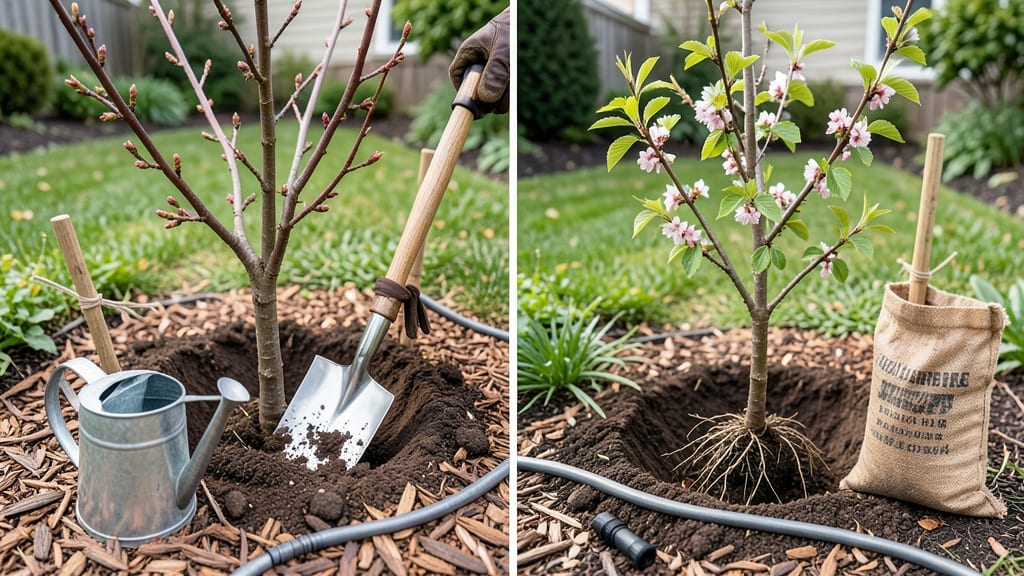
Planting your 🍒 cherry tree at the wrong time in Zone 5 could mean the difference between a thriving fruit producer and a struggling sapling that never reaches its full potential.
Most gardeners in 5a-5b zones assume spring is the only option, but fall planting actually gives roots a head start before winter dormancy—if you time it right.
The key is understanding when soil temperatures hit that sweet spot between 40°F and 50°F, which varies by just a few weeks between northern and southern parts of the zone.
Whether you're planting bare-root saplings or container-grown trees, the exact window matters more than you might think.
We'll break down the science behind why early spring (after last frost) and late fall (before ground freeze) work best, plus how to adjust for your specific microclimate—because not all Zone 5 areas behave the same.
Ready to set your cherry tree up for decades of harvests? Let's dive into the precise timing that makes all the difference for sweet vs. tart varieties and how to protect those delicate roots through Zone 5's unpredictable winters.
Best planting months for cherry trees in Zone 5: science-backed timing
Planting cherry trees in Zone 5 requires precision timing to ensure survival through harsh winters and quick establishment before summer heat. The ideal window aligns with soil temperatures between 40-50°F, allowing roots to establish without freezing or overheating. Missing this window can lead to stunted growth or winter dieback.
In Zone 5, the two best times to plant cherry trees are early spring (April-May) and fall (September-October). Each season offers unique advantages, but both require careful attention to soil conditions and frost risks. Let’s break down the science behind these windows.
Soil temperature is the critical factor. Cherry tree roots need 40-50°F soil to activate growth without risking frost damage. In Zone 5, this typically occurs in late April (spring) and early September (fall). Planting too early exposes roots to frost, while planting too late delays root establishment.
Spring planting (April-May) gives trees a full growing season to establish roots before winter. Fall planting (September-October) allows roots to grow in cool soil before dormancy, reducing transplant shock. Both methods work, but fall planting is often preferred for bare-root trees because it avoids summer heat stress.
Here’s a quick reference for the best planting months in Zone 5, including soil temperature thresholds and dormancy alignment:
| Planting Window | Soil Temp Threshold | Dormancy Alignment | Best For |
|---|---|---|---|
| Early Spring (April-May) | 45-50°F | Post-dormancy growth | Container-grown trees |
| Fall (September-October) | 40-45°F | Pre-dormancy root growth | Bare-root trees |
For bare-root cherry trees, fall planting (September-October) is ideal because the roots are dormant and can establish without competing with summer heat. This method also avoids the need for summer watering, reducing stress.
However, ensure the ground doesn’t freeze before roots can settle—aim to plant at least 4-6 weeks before first frost.
If you opt for container-grown trees, early spring (April-May) is better. These trees have established root balls and can handle transplanting when soil warms up. Avoid planting in late spring (June-July), as the heat can cause transplant shock and slow root growth.
Zone 5’s microclimates can shift planting windows by 2-4 weeks. In colder Zone 5a areas (e.g., northern Minnesota, Maine), plant in late April or early September to avoid early frosts.
In milder Zone 5b areas (e.g., Chicago, upstate New York), you can plant as early as mid-April or late September.
Monitor soil temperature with a soil thermometer to confirm readiness. If temperatures drop below 40°F, delay planting until conditions stabilize. In spring, wait until nighttime lows stay above 35°F for at least a week. In fall, plant before ground temperatures drop below 40°F for more than 24 hours.
After planting, mulch heavily (3-4 inches) with wood chips or straw to insulate roots. In spring, this protects against late frosts, while in fall, it prevents soil temperature swings that can stress roots. Water deeply but infrequently—1-2 times per week in spring/fall—to encourage deep root growth.
Timing your cherry tree planting to match Zone 5’s soil temperature thresholds and dormancy cycles maximizes survival rates. Whether you choose spring or fall, prioritize root establishment over hasty planting. With the right timing, your cherry tree will thrive for decades, bearing fruit reliably each summer. 🌳
Zone 5 cherry tree varieties: which types thrive when planted at specific times
Not all cherry trees thrive equally in Zone 5, and planting timing plays a crucial role in determining whether your Stella® sweet cherries or Montmorency tart cherries will bear fruit. Sweet cherries like Stella® need warmer soils to establish roots quickly, while tart cherries like Montmorency handle cooler fall soils better.
The wrong timing can delay fruiting by 2-3 years or worse—cause winter dieback.
Your Zone 5 microclimate matters too. Northern areas (5a) should plant tart cherries in early spring, while southern areas (5b) can handle fall planting for both types. The key is aligning planting with soil temperatures between 40°F and 50°F, which varies by just 2-3 weeks across the zone.
Here’s how planting timing directly impacts fruit yield for each variety, plus the exact months that work best for your Zone 5 garden.
| Variety | Best Planting Months | Cold Hardiness | Fruit Yield Impact | Timing Tip |
|---|---|---|---|---|
| Stella® (Sweet Cherry) | April-May (Spring) | Zone 5b-6 (Needs warmth) | Full yield in 3-4 years | Plant after last frost; avoid fall |
| Montmorency (Tart Cherry) | September-October (Fall) OR April (Spring) | Zone 4-5 (Hardy) | Consistent yield in 2-3 years | Fall planting preferred for root growth |
| Black Tartarian (Tart Cherry) | April-May (Spring) | Zone 4-5 (Cold-tolerant) | Heavy yield in 3 years | Spring planting best for northern 5a |
| Balaton (Sweet Cherry) | April-May (Spring) | Zone 5b-6 (Moderate) | Moderate yield in 4 years | Avoid late spring planting (drought risk) |
If you plant Stella® sweet cherries in fall, their roots may struggle to harden off before winter, delaying fruiting by 1-2 years. Meanwhile, Montmorency tart cherries planted in spring can suffer from late frost damage to blossoms, reducing your first-year yield by up to 50%.
The table above shows why timing matters more for sweet cherries—their delicate nature demands warmer soils for root establishment.
For Zone 5b gardeners, fall planting works well for both types, but Zone 5a growers should stick to spring. The 2-3 week difference in soil warming between north and south Zone 5 explains why some varieties thrive in one area but fail in another.
For example, Black Tartarian handles spring planting in 5a but may need fall planting in 5b for optimal growth.
Pro tip: Use a soil thermometer to confirm temps are above 45°F before planting sweet cherries in spring. For tart cherries in fall, aim for 50°F or below to trigger dormancy before ground freeze. This small adjustment can mean the difference between a bountiful harvest and a struggling tree.