
Plants
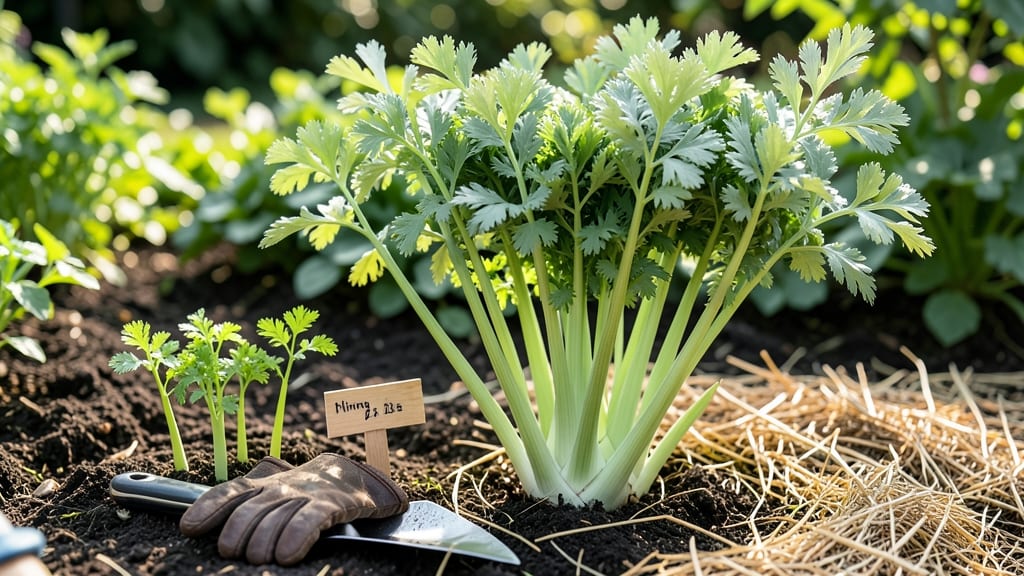
Planting celery in North Carolina isn't just about tossing seeds in the dirt—it's about timing it perfectly to avoid frost or scorching heat that turns your crisp stalks into sad, bitter sticks.
I've learned the hard way that February to March is your best shot for fresh spring harvests, while late summer plantings in August or September give you a second chance before winter sets in.
But here's the catch: your exact timing depends on whether you're in the humid Coastal Plain, the rolling Piedmont, or the cooler Mountains.
Whether you're starting seeds indoors or transplanting seedlings, I'll break down the microclimate rules that make all the difference—because in NC, a few weeks can mean the difference between a thriving 🥬 patch and a total flop.
Ready to grow celery that's actually worth eating? Let's dive into the exact weeks, soil tricks, and heat hacks that work for your corner of the state.
North Carolina’s celery planting zones: frost dates by region
North Carolina’s diverse climate—from the cool Mountains to the humid Coastal Plain—means your celery planting timing must adapt. The state spans USDA Zones 5-8, with last frost dates ranging from early March in the Mountains to late March in the Coastal Plain.
Celery thrives in cool weather, so precision planting avoids frost damage or summer bolting.
For crisp stalks, aim for two planting windows: early spring (Feb-Mar) and late summer (Aug-Sept). Spring plantings need protection from late frosts, while fall crops must beat summer’s heat. Below, I’ve broken down exact frost dates by region and the ideal weeks to start seeds indoors or direct-sow outdoors.
In the Mountains (Zone 6-7), where frosts linger until mid-March, start celery seeds indoors by January 15 for transplants ready by March 20. Direct-sowing waits until soil warms to 50°F, typically late March.
Coastal areas like Wilmington (Zone 8b) can direct-sow as early as April 15, but protect seedlings with frost cloth if nights dip below 40°F.
For fall crops, August-September is critical. Plant seeds indoors by August 15 for transplants ready by September 1. Direct-sow outdoors in September-October, aiming to harvest before first frost (typically mid-November in the Mountains, later in Coastal regions). Use row covers to extend fall harvests by 2-3 weeks.
Celery’s 90-150 day maturity means timing matters. In Zone 8b (Coastal Plain), spring plantings risk summer heat, so opt for shade cloth or partial shade during peak sun. Mountain growers should choose bolting-resistant varieties like ‘Utah’ or ‘Tall Utah’ to avoid early flowering.
Pro tip: Soil temperature is key. Celery won’t germinate below 50°F, so use a soil thermometer to confirm readiness. In Piedmont regions, where last frosts hit March 15-31, wait until April 1 to direct-sow for best success.
Humidity also plays a role. Coastal growers may face powdery mildew—space plants 12 inches apart and water at soil level to prevent fungal issues. Mountain gardens benefit from cooler nights, reducing bolting risks but requiring longer growing seasons.
Remember: Celery hates heat. If summer temps exceed 80°F, stalks become tough and bitter. For late-summer plantings, use drip irrigation to keep roots cool and mulch with straw to retain moisture.
🌱
Celery success in NC microclimates: Coastal vs. Piedmont vs. Mountains
North Carolina’s three distinct regions—Coastal Plain, Piedmont, and Mountains—create vastly different growing conditions for celery. Each microclimate demands unique timing and care to avoid common pitfalls like bolting or disease pressure. Let me break down the key differences so you can tailor your approach.
In the humid Coastal Plain, where summers are long and hot, celery thrives with partial shade protection during peak heat. The Piedmont’s moderate climate offers a longer growing window, but soil drainage becomes critical. Meanwhile, mountain growers face shorter seasons but benefit from cooler temperatures that naturally slow bolting.
Here’s how each region affects your planting strategy, from soil prep to heat management:
| Region | Key Challenge | Solution | Planting Window |
|---|---|---|---|
| Coastal Plain | High humidity + salt spray | Raise beds 6" above ground; mulch with straw | Feb 15 - Mar 10 (spring) / Aug 20 - Sep 10 (fall) |
| Piedmont | Poor drainage in clay soils | Amend soil with compost; use raised beds | Feb 1 - Mar 15 (spring) / Aug 10 - Sep 5 (fall) |
| Mountains | Shorter growing season | Start seeds indoors 12+ weeks early; use cold frames | Mar 1 - Apr 1 (spring only) |
The Coastal Plain demands early starts to beat summer’s intensity, while Piedmont gardeners can stretch their season with proper soil prep. Mountain growers should focus on early varieties like 'Utah' or 'Golden Self-Blanching' that mature faster in cooler climates.
Regardless of region, consistent moisture is non-negotiable—celery hates drought stress. In the Piedmont, I’ve found that drip irrigation during heatwaves prevents stalks from becoming woody. For coastal areas, morning watering reduces fungal risks from persistent humidity.
Pro tip: Use shade cloth (30-50%) during summer months in all regions to protect young plants. Even the Mountains’ cooler air can’t compensate for midday sun when temps hit 85°F+. A little shade goes a long way for keeping your celery crisp and sweet.