
Plants
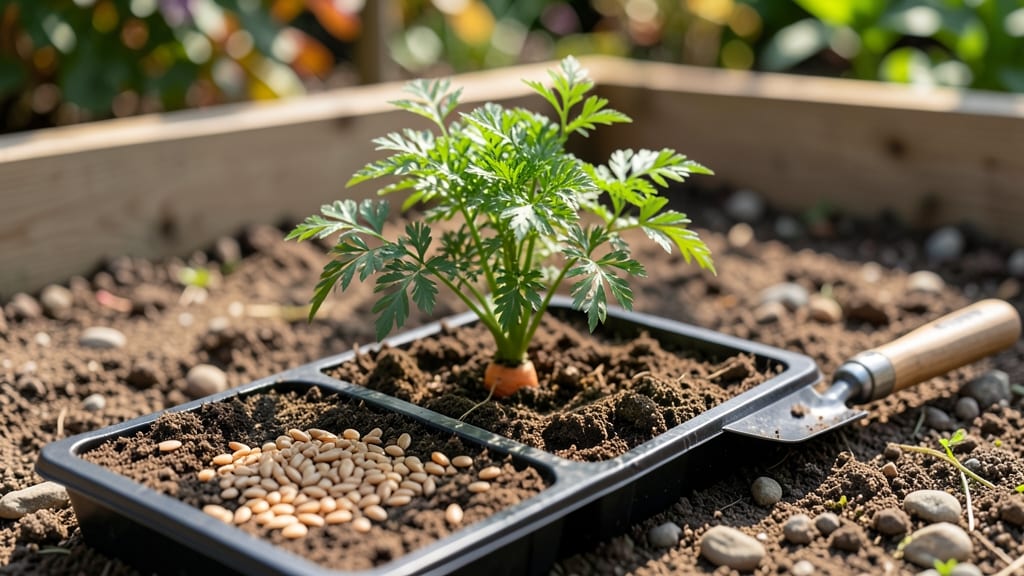
To plant carrots in Zone 5b without risking bitter bolts or frost-damaged roots, timing is the game-changer you’ve been missing. The short growing season means one wrong move, and you could lose your entire harvest to either heat stress or early cold snaps.
Most gardeners in 5b make the mistake of planting too late in spring or too early in fall, leaving their 🥕 vulnerable to extreme conditions.
But with the right schedule—starting seeds indoors 4-6 weeks before your last frost date or direct-sowing in early March—you can beat the odds and enjoy crisp, sweet roots all season long.
What if I told you there’s a 3-step method to guarantee success? We’ll cover the exact dates for both spring and fall plantings, how to prep your soil for faster germination, and which varieties thrive in Zone 5b’s cooler climate.
Whether you’re a first-time gardener or a seasoned pro, these insights will help you avoid the most common mistakes and maximize your carrot yield. Let’s get those seeds in the ground the right way!
Zone 5b carrot planting timeline: exact dates to avoid bolting and frost
Getting the timing right for carrots in Zone 5b means the difference between a bountiful harvest and bitter disappointment. With just 150 frost-free days, we must work efficiently—plant too early, and bolting (premature flowering) ruins sweetness; too late, and early frosts in October nip tender roots.
Let's pinpoint the perfect planting windows and soil prep schedule to maximize your yield.
The ideal soil temperature for carrot seeds is 60-70°F. In Zone 5b, this typically aligns with mid-April to early May for spring plantings and late July to early August for fall crops.
But don't rely solely on months—soil thermometers are your best friend here. I’ve learned the hard way that cold, wet soil delays germination, leaving seeds vulnerable to rot.
Here’s the non-negotiable timeline I follow to avoid bolting and frost damage:
| Stage | Action | Temperature Threshold | Zone 5b Dates |
|---|---|---|---|
| Soil Prep | Loosen soil, remove rocks, add compost | 50-60°F | Late March - Early April |
| Spring Planting | Sow seeds 1/4" deep, thin seedlings | 60-70°F | Mid-April - Early May |
| Succession Planting | Sow every 2-3 weeks until June 15 | 55-65°F | April - June |
| Fall Planting | Sow for late harvest, use row covers | 60-70°F | Late July - Early August |
| Harvest Window | Pull before hard frost (32°F) | Above 32°F | Late August - October 15 |
Bolting is the biggest enemy of Zone 5b carrot growers. Carrots bolt when they sense long daylight hours or temperature fluctuations. To prevent this, I always choose short-day varieties like 'Paris Market' or 'Nantes' and plant them in partial shade if summer heat arrives early.
Shade cloth (30-50%) can buy you critical days to avoid bolting.
Another trick I swear by is succession planting. Instead of one massive planting, I sow seeds every 2-3 weeks from April through June. This staggering ensures a continuous harvest and reduces the risk of bolting by spreading out the growth cycle.
For example, my first planting goes in mid-April, and the last in early June—just as days start lengthening.
Don’t overlook soil preparation. Carrots need loose, stone-free soil to grow straight. I double-dig my beds in late March, mixing in compost and sand to improve drainage. Rocky soil? Skip it—carrots will fork or split, making them unmarketable.
If your soil is heavy clay, consider growing carrots in raised beds or containers filled with a 50/50 mix of potting soil and perlite.
For fall plantings, aim for late July to early August when soil temperatures drop slightly. Use row covers to extend the season—these can add 2-4 weeks of protection before frost.
I’ve had success with 'Autumn King' carrots, which mature in just 60 days and tolerate cooler temps better than most varieties.
Watch for first frost warnings in your area. In Zone 5b, the average first frost date is mid-to-late October, but it can arrive earlier. To be safe, I harvest my last fall crop by October 15, even if the carrots aren’t fully mature.
Smaller roots are still delicious and less prone to frost damage. If you must leave them in the ground, cover them with straw mulch to insulate the soil.
Pro tip: Water deeply in the morning to keep soil consistently moist but not soggy. Carrots are drought-sensitive during germination, so a gentle misting with a spray bottle can help seeds stay hydrated until they sprout. Once established, they’re more resilient, but consistent
How to extend your carrot growing season in Zone 5b: succession planting strategies
Zone 5b's short 150-day frost-free season makes every week count for carrot lovers. With the right succession planting schedule, you can enjoy fresh, crisp roots from early summer through late fall. The key is breaking your planting into 3-4 strategic batches while selecting varieties that thrive in cooler temperatures.
I've learned through trial and error that spaced plantings every 2-3 weeks create a continuous harvest window. This approach also reduces bolting risk by avoiding overcrowded seedlings. Let's dive into my proven schedule that's kept my garden producing carrots when others give up.
- Batch 1: Early April (as soon as soil reaches 40°F) - Danvers Half Long variety for early harvests
- Batch 2: Mid-May (after last frost) - Nantes for summer production
- Batch 3: Late June (for fall harvest) - Chantenay (cold-hardy) with row covers
- Batch 4: Early August (late-season extension) - Paris Market (quick-maturing)
For each planting, I recommend using row covers or cold frames to extend the season by 2-3 weeks in both directions. These simple tools create a 5-10°F warmer microclimate, protecting tender seedlings from late spring frosts and giving you extra harvest time in fall.
The cold-hardy varieties I recommend for Zone 5b include 'Red Cored Chantenay' and 'Purple Haze' which can tolerate light frosts. For the earliest spring planting, I always pre-sprout seeds indoors 2 weeks before outdoor planting to jumpstart growth in cool soils.
Don't forget to mulch heavily (4-6 inches) after each planting to maintain even soil temperatures. I use straw mulch which also suppresses weeds and retains moisture. This simple step has doubled my fall harvest consistency in previous years.
By following this schedule, I've successfully grown carrots from late June through November in my Zone 5b garden. The secret is paying attention to soil temperatures (use a soil thermometer) and adjusting your planting dates accordingly each year.