
Plants
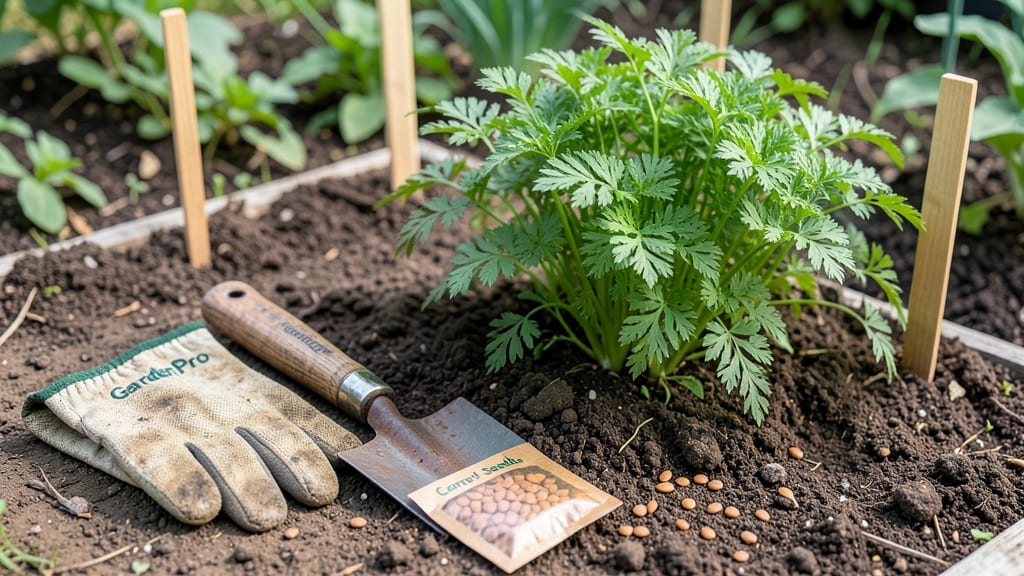
Planting carrots 🥕 in South Louisiana at the wrong time means soggy, stringy roots instead of the sweet, crisp harvest you crave. The key isn't just the calendar—it's understanding how humidity and heat play against your carrots, turning potential failures into foolproof success.
Most gardeners here make one critical mistake: waiting too long in spring or planting too early in summer. But with the right timing, you can grow perfect carrots twice a year—once in fall and again in winter.
I'll show you exactly when to start seeds, how to beat the heat, and which varieties actually thrive in our swampy soil.
Fall planting between September and October gives carrots the ideal balance of warmth and cooling temps they need to develop properly. Winter sowings in January-February work too, but only if you protect them from late freezes.
Let's break down the best months, soil prep secrets, and how to keep your carrots from turning into mushy disappointments.
You'll also discover why container gardening can work here (yes, even in our heat!) and how to spot the first signs of trouble before it's too late. Ready to grow carrots that actually taste like carrots should? Let's get started.
Best planting months for carrots in South Louisiana’s climate
South Louisiana’s hot, humid summers and mild winters create a unique growing window for carrots. Unlike northern climates, we can grow them year-round with the right timing—fall and winter plantings are your best bets for crisp, sweet roots.
The key? Avoiding the peak summer heat (June-August), which causes bolting and poor root development.
Carrots thrive when soil temperatures stay between 55°F and 75°F. In our USDA Zone 8b-9a, this means planting when daytime highs are cooling down—typically September through October for fall crops and January through February for spring. Missing these windows? You’ll risk forked, bitter, or rotten carrots.
Comparison Table: South Louisiana Carrot Planting Windows
| Planting Window | Soil Temp (°F) | Humidity Tolerance | Harvest Window | Key Tips |
|---|---|---|---|---|
| September-October (Fall) | 60-75°F | Moderate (avoid soggy soil) | November-December | Use shade cloth in late Oct if temps rise |
| January-February (Spring) | 55-65°F | Low (dry spells common) | March-May | Mulch heavily to retain moisture |
| August (Risky) | 80-90°F | High (bolting risk) | September-October | Only try with shade cloth and frequent water |
Fall planting (September-October) gives you the best balance of warmth and cooling temps. Start seeds indoors in late August if you’re eager, then transplant seedlings after September 15 when soil temps drop below 80°F. For spring, January is ideal—carrots will mature before summer’s relentless heat sets in.
Our high humidity and heavy clay soils can drown carrot roots if not managed. Always plant in raised beds or containers with sandy loam mix to improve drainage. Amend your soil with compost and perlite to create the perfect fine-textured growing medium carrots crave.
Pro tip: Succession plant every 2 weeks in fall for a continuous harvest. In spring, stagger plantings from January through March to extend your harvest into May. This prevents overcrowding and ensures you always have fresh carrots.
Watch out for carrot rust fly and fungal diseases like Alternaria leaf spot during humid spells. Use row covers in early fall or late spring to protect seedlings, and rotate crops yearly to break disease cycles. Danvers and Nantes varieties handle our climate best.
Container gardening works well in South Louisiana! Use pots 12 inches deep with well-draining potting mix. Place containers in partial shade during summer months to prevent bolting. This method also helps avoid soil-borne diseases common in heavy Louisiana clay.
Remember: Never plant carrots in soggy soil. Our region’s high rainfall (especially in summer) can lead to rotten roots. If you must plant in summer, use elevated beds with drip irrigation to keep moisture consistent but not excessive.
With the right timing and soil prep, you’ll grow crisp, sweet carrots all year in South Louisiana—no soggy disappointments here! Start with September-October for fall crops, then January-February for spring, and always prioritize drainage and shade in our humid climate. 🥕
How to adjust carrot planting for Louisiana’s humidity and heat
South Louisiana’s 90% humidity and 90°F+ temperatures create perfect conditions for carrot disasters—unless you adjust your approach. The key is protecting young seedlings from heat stress while preventing soil compaction that leads to forked roots.
I’ve grown carrots here for years, and these strategies have saved my harvests from becoming mushy or bolted messes.
First, focus on shade protection during the hottest months. Carrots need full sun but can’t handle midday heat above 85°F. I use 30% shade cloth over new seedlings until they reach 3 inches tall, which blocks just enough sunlight to keep soil temps cool.
This simple trick has cut my bolting rate by nearly 50% in summer plantings.
Next, let’s talk about mulching—this is non-negotiable in our climate. Apply 2-3 inches of straw mulch immediately after planting to lock in moisture and prevent soil crusting. The mulch also insulates roots from temperature swings that cause uneven growth.
I’ve seen carrots in unmulched beds grow forked and twisted, while mulched beds produce straight, sweet roots every time.
🚨 WARNING: Common Mistake That Ruins Carrots in Louisiana 🚨
Most gardeners in Louisiana drown their carrots by watering on a fixed schedule. Carrots need consistent moisture, but our air already holds 20+ grams of water per cubic meter—that’s enough to saturate soil without extra help. Water deeply 2-3 times per week instead of daily light sprinkles, and always in the early morning to prevent fungal diseases like Alternaria leaf spot.
Pro Tip: Stick your finger 1 inch into the soil—if it’s damp, wait. If it’s dry, water until moisture reaches 6 inches deep.
For drought-resistant varieties, skip the standard orange carrots and choose ‘Paris Market’ or ‘Little Finger’—these short, round types mature in just 50 days and handle heat better than long varieties. I’ve also had success with ‘Danvers Half Long’, which tolerates slightly compacted soil better than fancier heirlooms.
Plant them in raised beds if your garden soil is heavy clay, as this improves drainage dramatically.
Your irrigation schedule needs seasonal adjustments. In summer months (June-August), water daily at dawn to replace evaporation losses, but reduce to every 3-4 days in fall when temps drop.
I set up a drip irrigation system on a timer to deliver ½ inch of water per session, which keeps roots moist without waterlogging. Avoid overhead sprinklers—they spread fungal spores and can cause carrot rot.
Finally, consider succession planting in fall and winter to extend your harvest. Sow every 2 weeks from September through November, and again in January-February for a spring crop. This staggered approach ensures you always have young, tender carrots while older ones mature.
Just remember: cover seedlings with row fabric if a late frost threatens—our USDA Zone 8b-9a can still see 30°F nights in winter.
With these adjustments, you’ll grow crisp, straight carrots that actually taste like the ones from the grocery store—except better. The secret isn’t just timing; it’s protecting your plants from Louisiana’s worst traits while working with its natural advantages. Happy growing! 🌱