
Plants
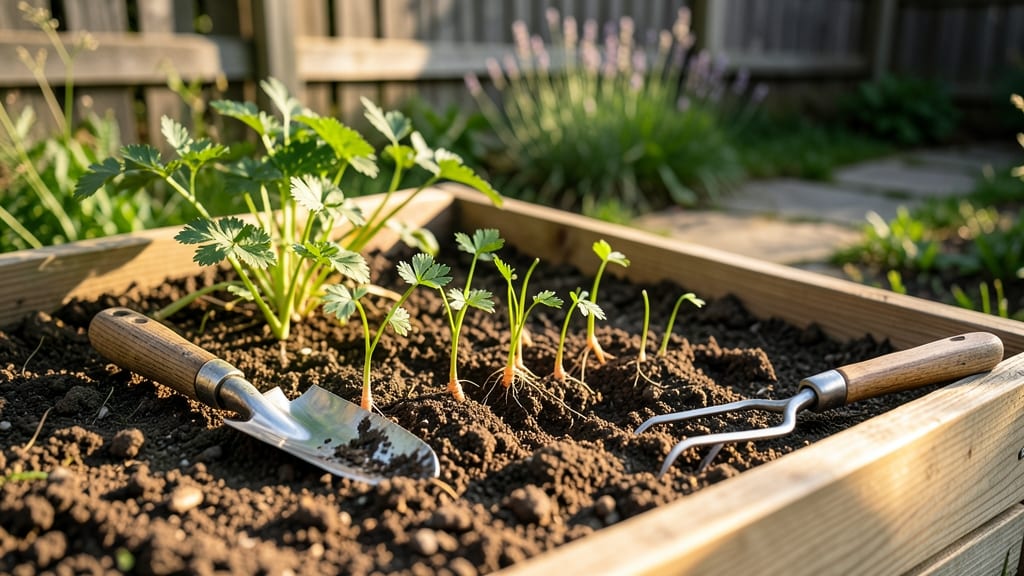
Planting carrots at the wrong time in Pennsylvania could leave you with bitter roots or no harvest at all—especially when your spring and fall windows are just weeks apart. The key to success lies in understanding your local frost dates and soil conditions, which vary dramatically from Pittsburgh to Philadelphia.
I’ve grown 🥕 carrots in Pennsylvania’s USDA zones 5b-7a for years, and timing is everything. Miss the March 15–April 30 window, and your spring crop might bolt before maturing. Skip the September 1–October 15 fall window, and you’ll lose your second chance at a harvest.
But get it right, and you’ll enjoy crisp, sweet roots from June through November.
This guide breaks down the exact planting windows for your region, including soil temperature tips and how to stretch your growing season with cold-hardy varieties. Whether you’re a beginner or a seasoned gardener, these insights will help you avoid common mistakes and maximize your yield.
Ready to grow the best carrots Pennsylvania has to offer? Let’s dive into the frost-free dates, soil prep secrets, and planting strategies that actually work—so you can enjoy a steady supply of homegrown 🥕 all season long.
Pennsylvania carrot planting dates by frost-free Zone
Pennsylvania’s diverse climate—from the humid Appalachians to the Lake Erie shoreline—means your carrot planting schedule should match your USDA zone (5b-7a). Timing seeds correctly ensures germination success and avoids frost damage to tender seedlings.
I’ll break down the ideal planting windows for each major region, including soil temperature requirements for germination.
Carrot seeds need soil temperatures between 60°F-70°F to sprout reliably. In Pennsylvania, this typically aligns with late March to early April for spring plantings, but cooler microclimates (like the Poconos) may require waiting until mid-April.
Fall crops should go in late August to early September to mature before the first frost, which varies from mid-October in Erie to late October in Philadelphia.
Soil temperature is critical—carrots won’t germinate well below 50°F. Use a soil thermometer to confirm readiness, especially in Zone 5b areas like Pittsburgh or State College. If temperatures dip, opt for cold-hardy varieties like ‘Nantes’ or ‘Danvers’, which tolerate cooler soils better than ‘Chantenay’ types.
| Region | Last Frost Date | First Frost Date | Spring Planting Window | Fall Planting Window | Soil Temp for Germination |
|---|---|---|---|---|---|
| Philadelphia (Zone 7a) | April 15 | October 20 | March 15 – April 30 | September 1 – October 10 | 60°F–70°F |
| Pittsburgh (Zone 6b) | April 20 | October 10 | April 1 – May 15 | August 20 – September 15 | 55°F–65°F |
| Erie (Zone 6a) | April 25 | October 5 | April 10 – May 10 | August 15 – September 10 | 60°F–70°F |
| State College (Zone 5b) | May 1 | October 5 | May 1 – June 1 | August 1 – September 5 | 50°F–60°F |
| Scranton (Zone 6a) | April 20 | October 15 | April 15 – May 10 | August 20 – September 15 | 55°F–65°F |
In Philadelphia (Zone 7a), you can start carrots as early as mid-March under row covers, but wait until late March for direct sowing. The longer growing season here allows for two full harvests: one in June-July and another in October-November.
For fall crops, plant by September 1 to ensure roots mature before frost.
Northern regions like Erie (Zone 6a) and State College (Zone 5b) face shorter seasons, so focus on fast-maturing varieties like ‘Paris Market’ (50 days) or ‘Little Finger’ (45 days).
In Zone 5b, wait until after May 1 for spring plantings, as earlier sowings risk cold soil and poor germination. Use black plastic mulch to warm soil faster if needed.
For fall planting, prioritize late-August starts in cooler zones to avoid bolting (premature flowering) triggered by shortening daylight. In Pittsburgh (Zone 6b), aim for August 20 to harvest by October 10.
If you miss this window, consider overwintering carrots with straw mulch for a spring harvest.
Pro tip: Succession planting every 2 weeks in spring and fall extends your harvest window. For example, in Philadelphia, sow seeds on March 15, April 1, and April
Pennsylvania carrot planting dates by frost-free Zone
Pennsylvania’s climate varies dramatically from the cool mountain regions of the north to the warmer southern valleys, making frost-free dates critical for carrot success. In USDA zones 5b-7a, your planting window hinges on when soil reaches 50°F (10°C)—the magic threshold for germination.
Most of the state’s last frost occurs between April 15 and May 1, while the first frost arrives as early as October 15 in northern areas.
To simplify, I’ve mapped out the ideal planting windows for Pennsylvania’s three key regions: Philadelphia/Lehigh Valley, Pittsburgh, and Erie. Each zone has a 6-8 week window for spring planting and a 4-6 week window for fall, but timing is everything.
Plant too early, and cold soil stalls germination; too late, and your carrots bolt before harvest.
| Region | Last Frost Date | Spring Planting Window | Fall Planting Window | Soil Temp for Germination |
|---|---|---|---|---|
| Philadelphia/Lehigh Valley | April 20–May 1 | March 20–April 30 | September 1–October 15 | 50–55°F (10–13°C) |
| Pittsburgh | April 15–April 25 | March 15–April 20 | August 20–September 30 | 45–50°F (7–10°C) |
| Erie | May 1–May 10 | April 1–April 15 | September 15–October 1 | 48–52°F (9–11°C) |
For spring planting, aim to sow seeds 2–3 weeks before your last frost date—this ensures soil warms enough for germination. In Philadelphia, that’s March 20; in Erie, wait until April 1.
Use a soil thermometer to confirm temperatures hit 50°F (10°C) at 2-inch depth. If soil is too cold, cover seeds with black plastic mulch to accelerate warming.
Fall planting is trickier because carrots need 60–80 days to mature before frost. In Pittsburgh, start by August 20 for a October harvest; in Philadelphia, extend to September 15.
Choose cold-hardy varieties like ‘Danvers Half Long’ or ‘Nantes’, which tolerate light frosts. Always plant 8–10 weeks before your first frost to avoid bitter roots.
Pro tip: Succession plant every 2 weeks in spring and fall to stagger harvests. This ensures a steady supply of 🥕 from June through November—no gaps! Just remember: No carrot will grow in frozen soil, so always check forecasts and adjust your timeline accordingly.
Now that you’ve got your frost-free dates locked in, let’s tackle how to stretch your growing season even further—because in Pennsylvania, every extra week counts. 🌱