
Plants
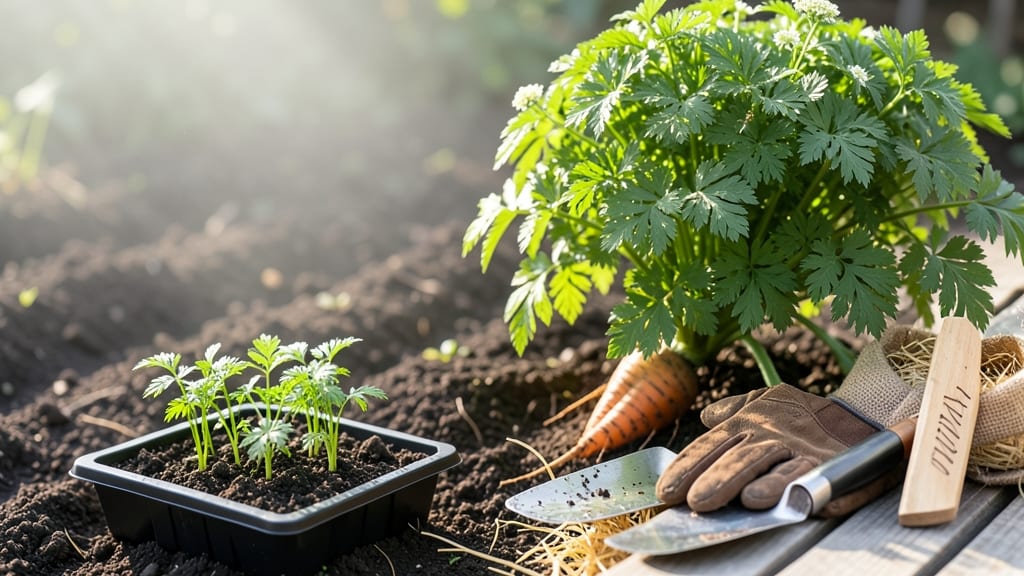
Planting carrots in Georgia at the wrong time can turn your crisp, sweet harvests into tough, woody disappointments—and timing is everything in our 7b-8b climate zones. The key isn’t just knowing when to plant, but understanding how heat and humidity affect your 🥕 roots from seed to soil.
Most gardeners in Georgia focus on the February–March window for spring plantings, but that’s only half the story. Fall plantings in August–September can yield just as rewarding harvests, if you follow the right steps.
The difference between success and struggle often comes down to soil prep and avoiding Georgia’s brutal summer heat.
I’ve learned the hard way that skipping these seasonal tricks leads to forking roots or bitter flavors. Whether you’re a first-time gardener or a seasoned pro, mastering the timing will give you a steady supply of homegrown carrots from May through November—without the guesswork.
Let’s break down the exact start dates, soil secrets, and planting hacks that work for Georgia’s climate, so you can enjoy that first crisp bite of your own harvest.
Georgia heat Zone planting calendar: best carrot start dates by season
Georgia’s USDA heat zones 7b-8a create unique challenges for growing crisp, sweet carrots. Unlike northern climates, our long growing season and summer heat demand precise timing to avoid woody roots or bolting.
The key is planting when soil temperatures stay between 50°F-75°F, which gives seeds the perfect environment to germinate without stress.
Most gardeners in Georgia focus on two main planting windows: early spring and fall. Spring planting starts as soon as soil is workable (usually late January to early March), while fall planting begins 8-10 weeks before first frost (typically mid-August to early September).
Winter planting is possible in milder microclimates but requires extra care to protect tender seedlings.
Here’s your Georgia-specific planting calendar for Danvers, Nantes, and Chantenay varieties, including soil temperature guidelines and frost-free dates tailored to your zone:
| Season | Planting Window | Soil Temp (°F) | Frost Risk | Variety Notes |
|---|---|---|---|---|
| Spring | Late Jan - Early Mar | 50°F-65°F | Low (after last frost) | Danvers (cold-hardy), Nantes (long roots) |
| Spring Succession | Early Mar - Mid-Apr | 60°F-70°F | Moderate (use row covers) | Chantenay (short, heat-tolerant) |
| Fall | Mid-Aug - Early Sep | 65°F-75°F | None (harvest before frost) | All varieties (fast-maturing types preferred) |
| Winter (Mild Zones) | Late Oct - Early Nov | 55°F-60°F | High (use cold frames) | Danvers (best cold tolerance) |
For spring planting, aim to sow seeds 6-8 weeks before your last frost date (typically mid-March in most of Georgia). Use Danvers or Nantes varieties for cooler temperatures, as they handle light frosts better than heat-sensitive types.
If you’re in Zone 8a, you can push spring planting slightly later (early April) but monitor soil moisture closely—dry conditions cause seeds to bolt prematurely.
Fall is my favorite time to grow carrots in Georgia because the cooler weather prevents bolting and produces sweeter roots. Start seeds 8-10 weeks before first frost (usually mid-August) for a harvest in October-November.
Choose short-day varieties like Chantenay if you’re planting late in the season, as they mature faster in shorter daylight periods.
If you’re experimenting with winter carrots, focus on Zone 7b microclimates (like Athens or the Blue Ridge Mountains) where temperatures stay above 30°F. Use row covers or cold frames to protect seedlings, and plant Danvers varieties, which tolerate light frosts.
Harvest before hard freezes (mid-November) to avoid damage.
One mistake I see often is planting too early in Zone 8a without preparing the soil. Carrot seeds need loose, stone-free soil to grow straight—otherwise, they’ll fork or split. Work in compost or sand before planting, and avoid working wet soil, which compacts easily.
A simple trick? Use a board or string line to mark rows and ensure even spacing (seeds should be 1/4 inch deep, 2-3 inches apart).
For succession planting, sow new seeds every 2-3 weeks during spring and fall to extend your harvest. In Georgia’s heat, this means starting your second planting by early April and your fall succession by late August.
Just remember: shade cloth (30-50%) is your best friend in summer—it keeps soil cool and prevents seeds from drying out.
Finally, don’t forget to thin seedlings to 2-3 inches apart once they’re 2 inches tall. This might sound cruel, but crowded carrots compete for nutrients and end up small and misshapen. Use sharp scissors to snip unwanted plants at soil level—it’s faster and cleaner than pulling.
With these Georgia-specific timing tips, you’ll avoid the common pitfalls of tough, woody carrots and enjoy a steady supply of crisp, sweet roots all season long. Happy planting!
5 Pro tips to grow perfect carrots in Georgia’s hot climate
Georgia’s summer heat can turn sweet carrots into tough, bitter roots if you don’t adjust your growing strategy. The key is cooling the soil, managing moisture, and timing your plantings to avoid extreme temperatures.
I’ve learned these tricks after years of trial and error in my own garden—trust me, your carrots will thank you!
First, focus on shade cloth during peak summer months. A 30-50% shade cloth can lower soil temperatures by 10-15°F, preventing bolting and forking. I use it from June through August, securing it just above the carrot tops while keeping the soil exposed to light.
This balances protection without smothering your plants.
- Use shade cloth (30-50%) from June-August to prevent bolting and forking.
- Mulch heavily with straw or grass clippings to retain moisture and cool soil.
- Plant in succession every 2 weeks from February-March and August-September.
- Amend soil with compost and sand to prevent hard, compacted soil that causes forking.
- Water deeply in the morning to avoid fungal diseases and bitter flavors.
Next, mulching is non-negotiable in Georgia’s heat. I spread 4-6 inches of straw or grass clippings around my carrot beds, keeping it 2 inches away from stems to prevent rot.
This mulch layer locks in moisture, keeps roots cool, and suppresses weeds. For extra insurance, I top-dress with compost tea every 3 weeks to boost microbial activity in the soil.
Don’t fall into the trap of planting all your carrots at once—succession planting is your secret weapon. In Georgia, I sow seeds every 2 weeks from February through March for spring harvests, then again from August through September for fall crops.
This staggered approach ensures a steady supply of fresh, tender carrots instead of one overwhelming harvest. Pro tip: Mark your planting dates on a garden calendar to stay organized!
Soil prep makes or breaks your carrot harvest. Georgia’s clay-heavy soils often cause forked roots if not amended properly. Before planting, I mix in equal parts compost and coarse sand to create a loose, well-draining medium.
For extra insurance, I add a handful of gypsum per planting hole—it improves soil structure and prevents forking. Test your soil’s pH too; carrots thrive in 6.0-6.8 range.
Finally, watering technique can make or break your harvest. I water my carrots deeply in the morning—about 1-2 inches per week—to encourage deep root growth. Avoid overhead watering in the evening, as damp foliage invites fungal diseases like leaf blight.
If you notice your carrots developing a bitter taste, it’s often a sign of uneven watering or heat stress. Adjust your schedule and provide shade immediately.
With these five tips, you’ll grow sweet, straight carrots even in Georgia’s brutal summers. The key is adapting to the heat rather than fighting it. Try one new technique this season—your next harvest will be the best yet! 🥕