
Plants
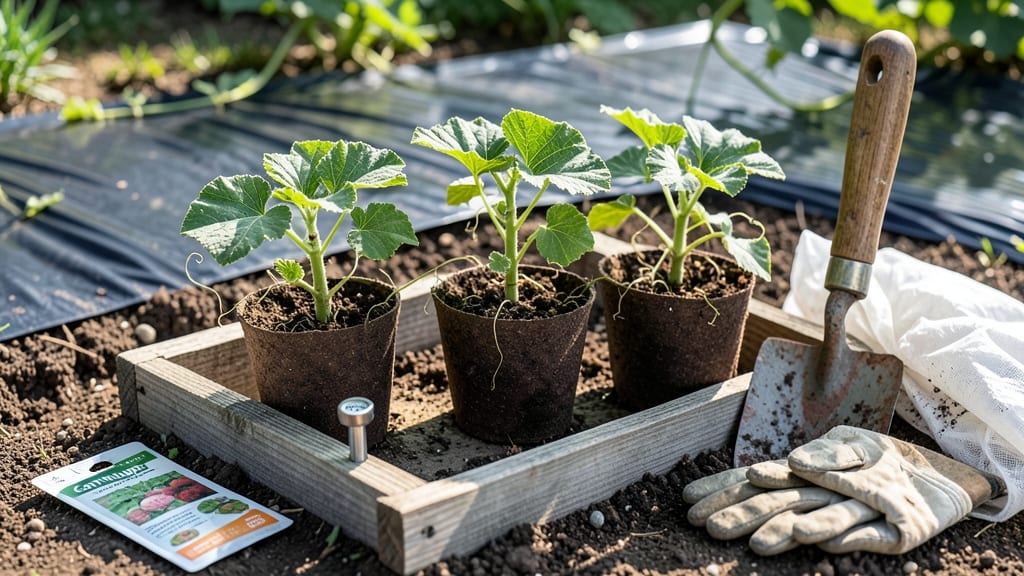
Planting cantaloupe in Ohio is all about timing—get it right, and you're rewarded with sweet, juicy 🍈 harvests by summer; mess it up, and you might end up with wilted vines or no fruit at all.
The key isn't just waiting for frost-free days (though that matters), but ensuring your soil is warm enough—think 70°F or higher—because cantaloupe seeds need heat to germinate.
Most Ohio gardeners wait until mid-May to plant, after the last frost date (usually around April 15), but soil temperature is the real game-changer. If you're in Zone 6a, like much of Ohio, rushing too early can leave your seedlings struggling in cool, damp soil.
The best bet? Use a soil thermometer to confirm warmth before committing to seeds.
You've got options: direct sowing or starting seeds indoors. For Ohio's short growing season, many gardeners opt for transplants, giving their cantaloupe a head start. But whether you're planting seeds or seedlings, spacing matters—give each plant 3-4 feet of room to spread and thrive.
Once your cantaloupe is in the ground, consistency is your friend. Keep the soil moist (but not soggy) and watch for those telltale signs of readiness—creamy rinds and a sweet aroma mean harvest time is near. With the right timing, you'll be enjoying homegrown cantaloupe from July through September.
Optimal planting dates for Ohio cantaloupe based on soil temperature and frost risk
Ohio’s variable spring weather makes cantaloupe planting tricky—these vines demand warm soil and frost-free conditions to thrive. The Ohio State University Extension recommends waiting until soil temperatures consistently hit 60°F+ before planting, typically mid-May in most regions.
Northern Ohio gardeners face earlier frost risks than their Southern counterparts, requiring precise timing to avoid failed crops.
Cantaloupes are warm-season crops that won’t germinate in cold soil, even if air temperatures feel mild. A soil thermometer is your best tool—plant only when readings stay above 60°F for 5+ days.
In USDA Zone 5-6 (covering most of Ohio), this usually aligns with mid-to-late May, but Southern Ohio can start slightly earlier (early May) in protected microclimates.
Direct sowing is preferred for cantaloupes, as transplants struggle with root shock in Ohio’s heat. Seeds need 70-90°F soil to sprout efficiently—waiting for these conditions ensures stronger vines and higher yields. For Northern Ohio (e.g., Cleveland, Toledo), aim for May 15-30; Southern Ohio (e.g., Cincinnati, Columbus) can plant April 20-May 15 under black plastic mulch.
| Region | Last Frost Date (Avg.) | Optimal Planting Window | Soil Temp Threshold | Notes |
|---|---|---|---|---|
| Northern Ohio (Cleveland, Toledo) | April 20-May 5 | May 15-30 | 60°F+ (5+ days) | Use row covers for early starts; black plastic mulch warms soil faster. |
| Central Ohio (Columbus, Dayton) | April 15-May 1 | April 20-May 15 | 60°F+ (5+ days) | Ideal for early varieties like 'Hale’s Best'; extend season with cold frames. |
| Southern Ohio (Cincinnati, Lexington) | April 10-April 25 | April 20-May 10 | 60°F+ (3-5 days) | Warmer microclimates allow earlier planting; monitor for late frosts. |
| All Regions (Transplanting) | N/A | Late May-June | 70°F+ soil | Transplants must harden off; avoid if possible due to root stress. |
For Northern Ohio, where frost lingers longer, consider starter plants under protective covers. Plant in raised beds or on black plastic mulch to accelerate soil warming by 5-10°F.
In Southern Ohio, you can push the envelope slightly—some gardeners sow seeds as early as late April if using row covers or hoop houses to shield young plants.
Ohio’s average first frost hits around October 15, giving cantaloupes roughly 165 frost-free days. Choose fast-maturing varieties like 'Athena' (70 days) or 'Ambrosia' (80 days) to maximize your harvest window. Plant successive batches every 2 weeks in May for a staggered harvest through early September.
Pro tip: Monitor local frost data from the Old Farmer’s Almanac or NOAA for your specific county. A 50°F night can kill cantaloupe vines, so always have row covers on hand for unexpected cold snaps.
In 2023**, Ohio saw late frosts in early June—gardeners who planted too soon lost entire crops.
If you’re starting seeds indoors (not recommended for cantaloupes but sometimes done for transplants), begin 4-6 weeks before your last frost date. However, cantaloupes hate transplant shock, so direct sowing after soil warms is the gold standard for Ohio growers.
Harden off seedlings for 7-10 days if you must transplant, acclimating them to outdoor conditions gradually.
Remember: Soil temperature > air temperature when planting cantaloupes. A 70°F soil on a 50°F morning is perfect for germination. Use a soil thermometer (available for $10-$15) to avoid guesswork—this tool saved my first cantaloupe crop in Ohio by confirming soil readiness.
For container gardening, plant in 5-gallon pots with black fabric wrapped around the sides to absorb heat. Containers warm up faster than ground soil, letting you plant 1-2 weeks earlier in Ohio’s short season. Just ensure pots have drainage holes and
How to prepare your Ohio garden for cantaloupe success: soil, spacing, and warmth tricks
Ohio’s cantaloupe plants crave warmth and well-draining soil, but our unpredictable springs can throw off even the most experienced gardeners. The key to success lies in soil prep, proper spacing, and creating a microclimate that mimics the plant’s native Mediterranean conditions.
Let’s break down the essential steps to give your cantaloupe vines the perfect start.
First, focus on your soil’s pH and fertility. Cantaloupes thrive in soil with a pH between 6.0 and 6.8. Test your soil in early spring—if it’s too acidic, amend it with lime; if it’s alkaline, mix in sulfur or peat moss.
Work in 2-3 inches of compost or well-rotted manure to improve drainage and provide organic matter. Ohio’s clay-heavy soils often need this extra boost to prevent waterlogging, which cantaloupes hate.
⚠️ WARNING: Planting Too Early Can Kill Your Cantaloupe Cantaloupe seeds won’t germinate in soil colder than 60°F, and seedlings will die in frost.
Even after the last frost date (typically mid-April in Southern Ohio and late April in Northern Ohio), wait until the soil temperature consistently reaches 70°F—use a soil thermometer to check. Planting too soon leads to stunted growth or rotten seedlings, wasting your time and resources.
If your garden isn’t warm enough by late May, consider starting seeds indoors in biodegradable pots and transplanting after Memorial Day.
Next, plan your planting layout carefully. Cantaloupes need 3-4 feet of space between plants to sprawl and develop properly. If you’re growing them in hills or mounds (a common technique to improve drainage), space hills 5-6 feet apart.
In Ohio’s humid climate, poor airflow between vines increases the risk of powdery mildew, so don’t skimp on space. For small gardens, try trellising dwarf varieties like ‘Tiny’ or ‘Minnesota Midget’ to save space while still getting a harvest.
To maximize warmth and speed up growth, use black plastic mulch. Lay it down 2-3 weeks before planting to warm the soil and suppress weeds. The mulch also helps retain moisture, which is critical during Ohio’s hot, dry summers.
If you’re in Northern Ohio with cooler summers, consider using row covers or cold frames to extend the growing season. These tools can add 2-4 weeks to your harvest window, giving you a head start before fall’s first frost.
Don’t forget to choose the right variety for Ohio’s climate. Opt for early-maturing types like ‘Athena’ (70 days) or ‘Hale’s Best’ (80 days) to beat the fall frost. Avoid long-season varieties unless you’re in Southern Ohio, where summers are longer.
Once planted, keep the soil consistently moist (but not soggy) and watch for squash vine borers, a common pest in Ohio gardens. Use row covers early in the season to deter them.
Here’s a quick pre-planting checklist to ensure you’re ready: ☑️ Test and amend soil to pH 6.0-6.8 ☑️ Work in 2-3 inches of compost ☑️ Space plants 3-4 feet apart (or hills 5-6 feet apart) ☑️ Use black plastic mulch to warm soil ☑️ Wait for 70°F soil temperature before planting ☑️ Choose early-maturing varieties for Ohio’s short season ☑️ Protect seedlings with row covers if frost threatens
With these soil and spacing tricks, your Ohio cantaloupe garden will be on track for a bountiful, sweet harvest. The extra effort in prep pays off with juicy, flavorful fruit that’s worth every minute of planning! 🍈