
Plants
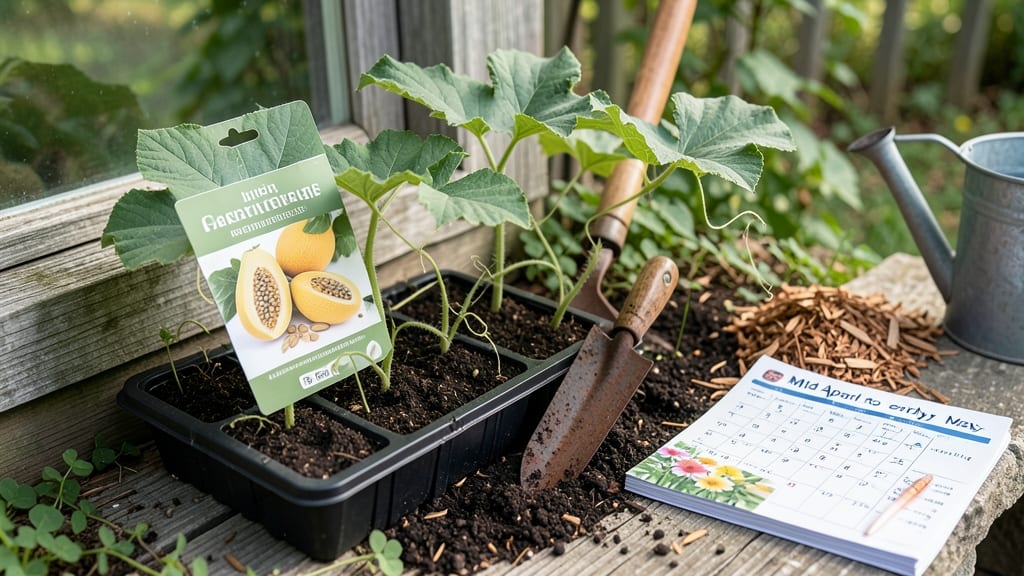
Planting cantaloupe in Illinois at the wrong time can turn your summer harvest dreams into frost-killed vines—especially when those last spring chills sneak in longer than expected in zones 5b-6b. The difference between a thriving 🍈 patch and wasted effort often comes down to knowing exactly when to get those seeds in the ground, not just guessing based on the calendar.
I’ve watched too many gardeners rush their cantaloupe planting, only to have tender seedlings crisp up overnight when temperatures dip below 50°F.
Illinois’ frost dates shift dramatically from Chicago’s lakeshore to the flatlands near St. Louis, and even a one-week delay can mean the difference between a July harvest and a September disappointment.
What if you could pinpoint the perfect planting window for your specific corner of Illinois?
Whether you’re in the northern reaches of zone 5b or the warmer pockets of 6b, I’ll break down the exact weeks to start seeds indoors or direct-sow outdoors—plus how to use soil thermometers and black plastic mulch to give your cantaloupe vines the jumpstart they need.
Let’s cut through the guesswork and get your cantaloupe off to a fast, frost-free start—so you’re feasting on sweet, ripe fruit instead of watching your garden plot stay empty.
Illinois frost zones and ideal cantaloupe planting weeks by region
Cantaloupes thrive in warm soil and long summer days, making Illinois’ USDA zones 5a-6b perfect—but only if you plant at the right time. The key is avoiding late spring frosts while ensuring enough frost-free days (at least 120 days) for fruit to mature.
Northern Illinois (zones 5a-5b) has shorter growing seasons, while Southern Illinois (zones 6a-6b) enjoys earlier starts.
For Northern Illinois (Chicago, Rockford, DeKalb), the last frost typically hits mid-April, but soil may not warm enough until late May.
In Central Illinois (Springfield, Peoria), frost dates shift to early April, allowing earlier plantings. Southern Illinois (Carbondale, Marion) sees frost-free conditions by mid-March, giving gardeners a 6-week head start.
Soil temperature is critical: cantaloupes won’t germinate below 70°F. Use a soil thermometer to confirm readiness. In Northern Illinois, aim for late May to early June plantings. Southern Illinois growers can start as early as mid-April under row covers or black plastic mulch to accelerate warming.
Here’s how Illinois’ regions break down for optimal cantaloupe planting weeks, including frost-free windows and soil temperature thresholds:
| Region | USDA Zone | Last Frost Date | Ideal Planting Window | Soil Temp Threshold | Frost-Free Days |
|---|---|---|---|---|---|
| Northern IL (Chicago, Rockford) | 5a-5b | Mid-April | Late May – Early June | 70°F+ | 120-130 days |
| Central IL (Springfield, Peoria) | 5b-6a | Early April | Mid-May – Late May | 70°F+ | 130-140 days |
| Southern IL (Carbondale, Marion) | 6a-6b | Mid-March | Mid-April – Early May | 65°F+ (earlier starts) | 140-150 days |
If you’re in Northern Illinois and miss the late May window, consider container gardening with black plastic mulch to create a microclimate. Southern Illinois growers can even squeeze in a second planting in early July for a late-summer harvest, though yields may be smaller.
Pro tip: Extend your season by using row covers or cold frames to protect seedlings from unexpected late frosts. Cantaloupes are heat-loving, so prioritize south-facing beds with well-draining soil amended with compost. Avoid planting in low-lying areas where cold air pools.
For urban gardeners, microclimates can shift planting dates by 1-2 weeks. A blacktop parking lot nearby? Your soil warms faster than rural areas. Use this to your advantage by planting 1-2 weeks earlier than regional averages.
Conversely, shady city lots may delay planting by 10-14 days due to slower soil warming.
Remember: Cantaloupes need warmth, not just frost-free nights. If your soil isn’t 70°F+, seeds won’t germinate—no matter how late the frost date passes. Test your soil with a thermometer for 3 consecutive days before planting.
🌱
How to adjust planting dates for Illinois microclimates (urban vs rural)
Illinois’ microclimates create unique challenges for cantaloupe growers. Urban heat islands can push planting dates earlier by 1-2 weeks compared to rural areas, while lake-effect zones near Lake Michigan may delay planting until soil warms.
Rural farmland often benefits from longer frost-free windows and cooler nighttime temperatures that suit cantaloupe’s needs.
In Chicago and northern urban areas, aim to plant cantaloupe seeds after May 15 when nighttime temperatures consistently stay above 55°F.
The urban heat island effect can create microclimates where soil warms 5-7 days faster than surrounding rural areas, but also increases pest pressure from aphids and cucumber beetles.
For southern Illinois and rural farmland, you can plant 2-3 weeks earlier (late April to early May) since these areas experience warmer nights and longer growing seasons. However, late spring frosts remain a risk until mid-May in these regions.
🌱 Container gardening offers flexibility for early starts in all microclimates. Use 5-gallon black pots filled with well-draining potting mix and place containers on patios or rooftops to capture extra heat. Start seeds indoors 3-4 weeks before your target outdoor planting date.
💧 Lake-effect areas near Lake Michigan may need row covers for 2-3 weeks after transplanting to protect young plants from cooler winds. Remove covers when daytime temperatures exceed 70°F to prevent overheating.
⚠️ WARNING: Late Planting Risks in Illinois Microclimates
Extend your cantaloupe season in urban gardens by using black plastic mulch to raise soil temperatures by 5-10°F. In rural settings, drip irrigation helps maintain consistent moisture during hot summer days while preventing fungal diseases from overnight dew.
For late-season extensions, choose fast-maturing varieties (like 'Hale’s Best') and plant transplants in early July with row covers to protect from early autumn frosts. Monitor local weather forecasts and adjust planting dates accordingly.