
Plants
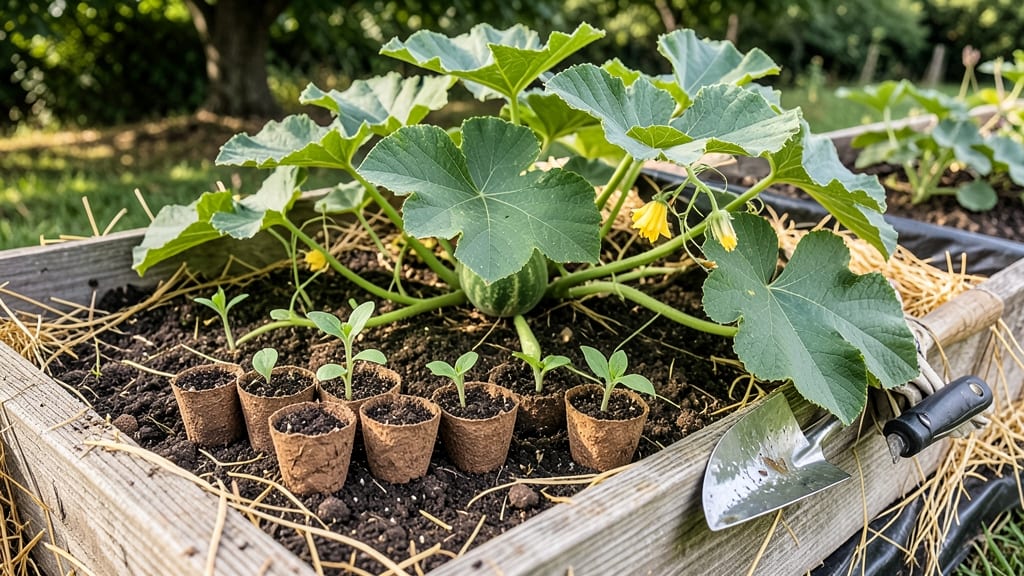
Timing your cantaloupe 🍈 planting just right in Georgia is the difference between a bumper crop and wasted effort.
The ideal window—late March to early April—aligns perfectly with the state’s 70°F soil temperatures and frost-free dates, but even a few weeks off can mean missed harvests or stunted vines.
Most gardeners in Georgia’s 7b-8b zones know that rushing seeds into cold soil is a recipe for failure, but did you know elevation and microclimates can shift your perfect planting date by weeks?
Whether you’re in the cooler North Georgia mountains or the humid South, understanding these nuances is key to sweet, ripe fruit by June or July.
I’ll break down the exact start dates for your region, plus pro tips for adjusting planting schedules based on soil type and heat tolerance. By the end, you’ll know not just when to plant, but how to maximize your cantaloupe’s potential—no guesswork required.
Ready to skip the trial-and-error? Let’s dive into the science-backed schedule that’ll have your vines thriving and your kitchen stocked with homegrown cantaloupes all summer long.
Georgia cantaloupe planting zones: exact start dates by region
Georgia’s three distinct climate zones—North Georgia’s cool mountains, Central Georgia’s transition belt, and South Georgia’s humid heat—each demand different cantaloupe planting strategies. The key to success? Waiting until soil temperatures hit 70°F+ and all frost risk has passed.
Let’s break down the exact planting windows for each region, so you can time your harvest for peak sweetness.
For North Georgia (USDA Zones 7a-7b), like the Blue Ridge Mountains, the last frost typically occurs around April 15-30. However, cantaloupe thrives best when planted after May 1, once soil warms to 70°F.
In Central Georgia (Zones 7b-8a), including Atlanta and Macon, you can start seeds indoors by March 15 and transplant outdoors after April 15. Meanwhile, South Georgia (Zones 8a-8b) offers the longest growing season, allowing direct sowing as early as March 1 in protected beds.
In North Georgia, where cooler nights linger, use black plastic mulch to warm soil faster and row covers for early seedlings. The Blue Ridge Mountains often see late frosts, so wait until May 15 to transplant.
For Central Georgia, like Athens or Columbus, start seeds indoors by March 15 and harden off seedlings before transplanting after April 15. This region benefits from succession planting every 2 weeks for extended harvests.
South Georgia’s hot, humid climate allows for earlier planting, but pests like cucumber beetles are more aggressive. Direct-sow seeds after March 1 in raised beds with drip irrigation to prevent fungal diseases.
For all regions, choose fast-maturing varieties like ‘Athena’ (70 days) for North GA or ‘Hale’s Best’ (80 days) for South GA to maximize yields before summer heat peaks.
Pro tip: Use a soil thermometer to confirm 70°F+ soil temps before planting. In North Georgia, this often means waiting until late May, while South Georgia gardeners can start as early as February in protected microclimates.
Monitor local frost-free date averages from your cooperative extension service for precise timing.
For container gardening in urban areas, start seeds indoors by March 1 and transplant into 5-gallon pots after last frost. Use lightweight potting mix and place containers in full sun with afternoon shade in South Georgia to prevent heat stress.
Containers dry out faster, so water daily during flowering and fruiting stages.
Remember: Cantaloupe vines need space—provide 3-6 feet of spread per plant or use trellises for vertical growth in small gardens. In South Georgia, where humidity is high, space plants 3 feet apart and mulch heavily to prevent soil-borne diseases.
For North Georgia’s shorter season, focus on early-maturing varieties and extend the season with row covers until harvest.
Finally, mark your calendar for harvest time: North GA gardeners enjoy fruit from July to August, while South GA harvests stretch from May to July. Watch for creamy yellow rinds and slip stems—these are your cues that cantaloupes are ready to pick.
Store harvested fruit in a cool, dry place for up to 1 week to preserve sweetness.
Timing your cantaloupe planting to Georgia’s microclimates ensures a bountiful, sweet harvest without wasted effort. Whether you’re in the cool mountains, transition belt, or humid south, these region-specific dates will help you grow the juiciest cantaloupes Georgia has to offer. 🍈
How to adjust planting for Georgia’s microclimates: heat zones, elevation, and soil factors
Georgia’s diverse geography—from the Blue Ridge Mountains to coastal plains—creates distinct microclimates that demand tailored cantaloupe planting strategies. In urban heat islands like Atlanta, summer temps can soar to 100°F, while mountain regions like Dahlonega experience cooler nights. These differences affect when and how you plant for optimal yield.
Soil type also plays a critical role: sandy soils in South Georgia drain quickly, requiring frequent watering, while clay-heavy soils in Central Georgia retain moisture but need amending. Elevation shifts frost dates by weeks—planting in North Georgia may need a 4-week delay compared to Savannah.
- 1 Urban Heat Islands: Plant cantaloupe in late April in Atlanta to avoid heat stress; use shade cloth for seedlings (30-50% coverage).
- 2 High Elevation (Blue Ridge): Delay planting until May 15 to avoid late frosts; choose early-maturing varieties like 'Athena' (70 days).
- 3 Sandy Soils (South GA): Amend with compost and mulch heavily; water daily during fruit set to prevent cracking.
- 4 Clay Soils (Central GA): Plant on raised beds or mounds to improve drainage; avoid waterlogging which causes root rot.
- 5 Season Extension: Use black plastic mulch to warm soil 2-3 weeks earlier; row covers protect seedlings from late frosts in marginal zones.
For urban gardens, consider container growing with 5-gallon pots to control soil temperature and moisture. In rural areas, plant near windbreaks like hedgerows to reduce heat stress on vines. Always monitor soil temperature with a probe—cantaloupe seeds won’t germinate below 70°F.
Adjust your planting schedule by checking local frost-free date maps (UGA Extension is a great resource). In North Georgia, aim for May 1 plantings, while South Georgia gardeners can start as early as March 15 in protected beds. Use these microclimate tweaks to maximize your cantaloupe harvest!
Pro tip: Plant succession crops every 2 weeks in warm zones to extend your harvest window. For example, a March 15 planting in Savannah followed by April 1 and April 15 plantings can yield fruit through August.