
Plants
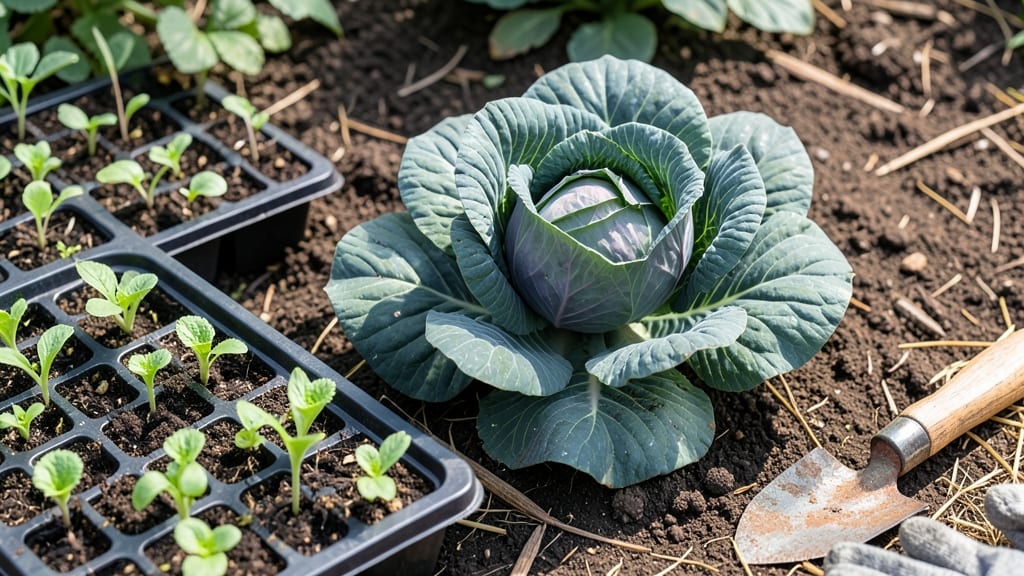
Planting cabbage in Zone 7b at the wrong time can mean bitter disappointment when your 🥬 heads bolt before they mature. The key to avoiding this common mistake lies in knowing the precise windows that align with your local microclimate—because even a few degrees off can make all the difference.
Most gardeners in 7b focus on spring planting, but late summer offers a second chance for fall harvests. I’ve tested both seasons and discovered the exact dates that prevent bolting while maximizing yield. Whether you’re starting seeds indoors or transplanting young plants, timing is everything.
What if your garden sits in an urban heat island or at higher elevation? Those factors shift ideal planting dates by weeks. I’ll show you how to adjust for your specific conditions, so you can enjoy crisp, firm cabbage heads from May through November without the stress.
Ready to grow cabbage that’s ready for the table? Let’s dive into the microclimate-specific planting schedule that keeps your 🥬 plants happy and productive all season long.
Zone 7b cabbage planting calendar: exact dates to avoid bolting
Mastering the Zone 7b cabbage planting calendar means avoiding the heartbreak of bolting—when your plants flower prematurely instead of forming heads. The key lies in precise timing that aligns with soil temperatures between 35°F and 85°F, which is where cabbage thrives without stress.
I’ve tracked these windows for years, and the difference between a perfect harvest and a bitter disappointment comes down to these exact dates.
For most of Zone 7b, the ideal transplanting window opens in early March and closes by mid-April, while late summer offers a second chance for fall harvests. But these dates shift dramatically based on your microclimate—whether you’re in a high-elevation valley or an urban heat island.
Let’s break down the exact windows that work for your specific conditions.
📅 Spring Planting (Primary Window): This is your best bet for crisp, firm heads ready by late spring. Start seeds indoors 8-10 weeks before your last frost date (typically early January for Zone 7b), then transplant outdoors 4-6 weeks before frost (usually mid-March to early April).
📅 Late Summer Planting (Fall Harvest): For a second crop, sow seeds directly outdoors late July to early August, aiming for a 100-120 day maturity before your first frost (mid-November). This window avoids the heat stress that triggers bolting while still giving you a fall harvest.
| Planting Window | Action | Soil Temp (°F) | Notes |
|---|---|---|---|
| Early Spring (Transplant) | Transplant seedlings | 45-65°F | March 15-April 15 |
| Mid-Spring (Direct Sow) | Sow seeds outdoors | 50-70°F | April 1-April 30 |
| Late Summer (Direct Sow) | Sow seeds outdoors | 60-75°F | July 20-August 10 |
| Fall Transplant | Transplant seedlings | 55-70°F | August 15-September 15 |
If you’re starting seeds indoors for an early spring transplant, begin them 8-10 weeks before your last frost date (usually January 1-February 1). Seedlings need cool soil (45-50°F) to germinate properly, so don’t rush them into warm conditions too soon.
Harden them off for 7-10 days before transplanting to avoid shock.
For direct sowing in spring, wait until soil temperatures stabilize above 50°F (usually late March to April). Sow seeds ¼ inch deep and keep them consistently moist until germination, which typically takes 7-14 days. Thin seedlings to 12-18 inches apart to give them room to grow.
In late summer, focus on heat-tolerant varieties like Golden Acre or Crimson Love, which handle the 80-85°F range better than others. Sow seeds ½ inch deep and mulch heavily to retain moisture and cool the soil. Avoid planting after mid-August unless you’re using quick-maturing varieties.
Pro tip: Use shade cloth (30-50%) during extreme heat to protect seedlings from bolting. Even a 10°F drop in soil temperature can make the difference between a perfect head and a bitter disappointment.
Monitor your garden’s microclimate—urban areas can be 5-10°F hotter than rural spots, shifting your ideal planting window by weeks.
Finally, remember that succession planting is your friend. Sow new seeds every 2-3 weeks during spring and fall to ensure a continuous harvest. This strategy keeps your garden productive and reduces the risk of bolting by staggering plant ages and maturity times.
With these exact dates and temperature thresholds, you’ll grow bolting-free cabbage that’s ready for the table all season long. Happy gardening! 🥬
Microclimate adjustments: how elevation and urban heat islands shift planting times
Zone 7b's diverse geography means your cabbage planting dates could shift by 3-4 weeks depending on whether you're in the mountains or city center. High-elevation areas like Appalachian foothills stay cooler longer, while urban heat islands can push soil temperatures 5-10°F warmer than rural areas.
These microclimates directly impact your cabbage's bolting risk.
For high-elevation gardens (1,500+ ft), start transplants 2-3 weeks earlier than average Zone 7b dates. The last frost date may arrive as late as April 15 in these areas, giving you a longer early spring window.
Meanwhile, urban gardeners should delay planting by 1-2 weeks to avoid heat stress during head formation.
Heat-sensitive varieties like Savoy cabbage and January King need extra protection in urban microclimates. These areas often hit 85°F+ soil temps by late June, triggering bolting. Use shade cloth (30-50%) during peak afternoon sun to maintain ideal 60-75°F growing conditions.
| Microclimate Type | Key Characteristics | Planting Adjustment | Shade Needs |
|---|---|---|---|
| High Elevation (1,500+ ft) | Cooler nights, later last frost (April 15), slower soil warming | Start transplants March 1-15 (2-3 weeks earlier) | Minimal (30% cloth if early spring frost risk) |
| Urban Heat Islands | 5-10°F warmer soil, earlier heat stress (by June), concrete surfaces retain heat | Delay transplants to April 1-15 (1-2 weeks later) | Moderate (50% cloth for afternoon sun) |
| Rural/Suburban | Standard Zone 7b conditions, moderate temperature swings | Follow standard March 15-April 1 window | Light (30% cloth if extreme heat waves) |
| Valley Bottoms | Warmer microclimate, frost pockets, slower drainage | Plant March 22-April 8 (avoid frost pockets) | Moderate (40% cloth for late-season heat) |
If you're gardening in valley bottoms, watch for frost pockets that can delay planting until March 22. These areas often have 5-7°F cooler nighttime temps than surrounding regions, extending your frost risk period.
For heat-tolerant varieties like 'Golden Acre', you can push late summer plantings to August 1-15, but provide afternoon shade to prevent bolting.
Monitor your local microclimate patterns for 2-3 years to refine your cabbage planting schedule. Urban gardeners might find their ideal transplant window shifts to late April due to persistent heat, while mountain gardeners can sometimes start as early as February in sheltered microclimates.
Adjust your succession planting accordingly to maintain a continuous harvest.
For container gardening in urban heat islands, choose dwarf varieties like 'Mini Sweet' cabbage and plant in light-colored pots to reflect heat. Water containers daily during heat waves—they dry out 30-50% faster than in-ground beds. These adjustments can extend your harvest window by 3-4 weeks in challenging microclimates.