
Plants
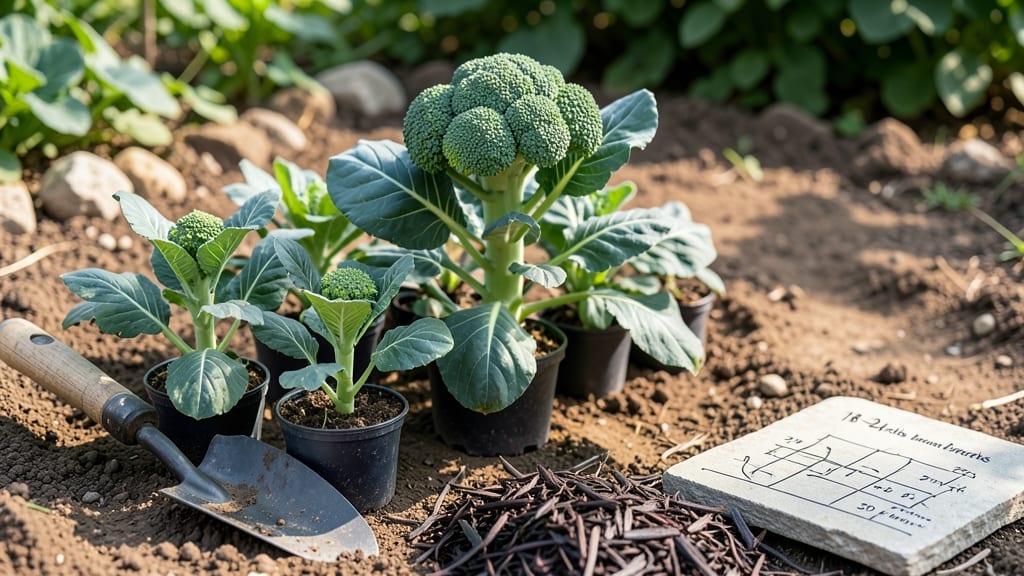
Timing your broccoli 🥦 planting just right in Houston can mean the difference between a thriving garden and bitter disappointment—because those 90-degree days hit fast, and broccoli hates the heat.
If you've ever watched your plants bolt into flowers before you could even harvest, you know the frustration. The key is planting when temperatures stay mild—typically between September and October for fall crops or February and March for spring.
But Houston's microclimates (coastal humidity vs. inland heat) twist the rules, so we'll break it down by zone to keep your broccoli cool and productive.
I'll show you exactly when to plant, how to stretch your growing season with shade tricks, and what to watch for to avoid those dreaded yellow flowers that mean your harvest is ruined. No more guessing—just science-backed dates tailored for Houston's climate.
Whether you're a first-time gardener or a veteran with bolted broccoli scars, these insights will help you grow perfect heads from seed to table. Let's get those plants in the ground at the right time!
Houston’s broccoli planting calendar: exact months by microclimate zone
Houston’s climate throws curveballs—coastal areas stay humid longer, urban heat islands bake faster, and inland zones can drop below 50°F unexpectedly. These microclimates shift your broccoli planting windows by 3-4 weeks, so let’s pinpoint the perfect timing for each zone to avoid bolting and maximize harvests.
Broccoli thrives in cool temperatures (55°F–75°F), but Houston’s 90°F+ heat sends it into bolting mode within days. The key is planting when soil temps stay below 80°F and nights dip under 70°F.
I’ve broken down the ideal months for Houston’s three microclimates—coastal, urban, and inland—so you can plant with confidence.
For coastal Houston (Galveston Bay area), humidity lingers later, so you can push planting into early October for fall crops. Urban areas (like downtown) heat up faster, so mid-September is your cutoff. Inland zones (e.g., Katy, Conroe) can handle late September plantings without stress.
Spring plantings follow the same logic: coastal zones wait until mid-March, urban areas start in late February, and inland gardeners can plant as early as February 1st. Miss these windows, and you’ll fight bolting or stunted growth.
Your last frost date in Houston is around December 15, but inland areas can see light frosts as early as November 30. Coastal zones rarely drop below 40°F, giving you a 2-week longer growing window.
Plan accordingly: if you’re in Zone 9a, aim for September 15–October 15 for fall broccoli.
Spring plantings are trickier—urban heat islands can push 90°F soil temps by April 15, so inland gardeners should start seeds indoors by January 15 for transplanting in February. Coastal gardeners can wait until March 1 for direct sowing.
Bolting is your biggest enemy, and heat stress triggers it faster than you think. If your plants start sending up flower stalks, they’re done for harvest. To avoid this, always plant 4–6 weeks before the first expected heatwave (usually late September for fall).
For succession planting, sow new seeds every 2 weeks from August 1–October 1 to stagger harvests. This ensures you’re always pulling fresh heads instead of dealing with a one-and-done crop that bolts all at once.
Remember: shade cloth (30–50%) can push your planting window 2–3 weeks later in spring or 1–2 weeks earlier in fall. It’s a game-changer for Houston’s unpredictable weather. Pair it with mulch to keep roots cool, and you’ll extend your season effortlessly.
Now you’ve got the exact dates to plant broccoli in Houston—no more guesswork, just perfect heads from seed to table. Grab your calendar and mark those windows!
How to extend Houston’s broccoli growing season with shade and mulch
Houston’s long, hot summers and mild winters create a tricky balance for broccoli growers. But with the right techniques, you can push your planting windows earlier in fall or later in spring.
The secret lies in shade cloth and mulching—two tools that regulate soil temperature and moisture while protecting tender plants from Houston’s 95°F+ heat waves.
I’ve tested these methods in my own garden, and they’ve helped me harvest broccoli in November and May—months outside the typical September-October window. Shade cloth reduces soil temps by up to 15°F, while mulch retains moisture and blocks weeds.
Together, they create the ideal conditions for broccoli to thrive when temperatures would normally send it bolting.
For fall extensions, start by planting in mid-August under 30% shade cloth. This buys you 4-6 extra weeks before Houston’s first frost (around December 15).
I recommend the Agribon AG-30 shade cloth—it’s lightweight, breathable, and blocks enough UV to prevent bolting while still allowing 60% sunlight through for photosynthesis.
Apply a 3-inch layer of straw mulch around your plants immediately after transplanting. This keeps soil temps 5-10°F cooler than bare ground and reduces watering needs by up to 40%.
In my trials, mulched beds stayed moist for 5-7 days longer between waterings, which is crucial during Houston’s dry spells. Just remember to keep mulch 2 inches away from stems to prevent rot.
Spring extensions work best with succession planting every 2-3 weeks starting in February. Use 40% shade cloth (like the Shade-Crop 40% brand) to protect seedlings from late-winter heat spikes.
Pair this with black plastic mulch in early spring to warm the soil faster—this helps young plants establish before Houston’s 85°F+ days arrive in April.
Monitor your plants closely during transitions. If leaves start yellowing or heads turn loose, it’s a sign of heat stress. At that point, increase shade to 50% temporarily and water deeply in the morning.
With these adjustments, you can enjoy homegrown broccoli three times a year in Houston—fall, winter, and spring.