
Plants
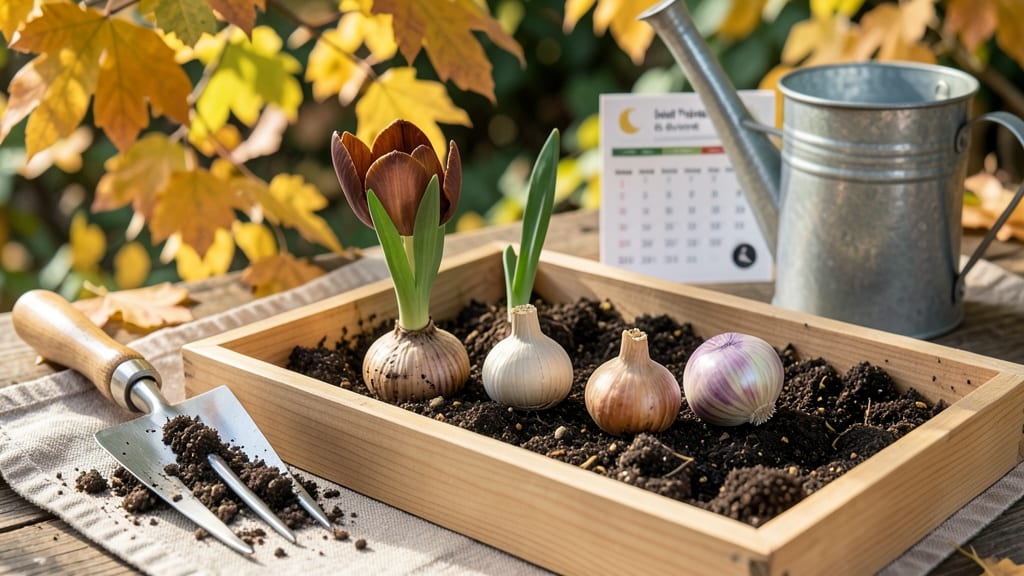
Planting bulbs in Zone 7b at the wrong time could mean the difference between a garden bursting with color and a sad pile of rotting soil.
The key to success isn’t just choosing the right bulbs—it’s knowing exactly when to plant them to outsmart frost and ensure vibrant blooms next season.
Fall is your golden window for most bulbs like tulips and daffodils, but timing matters—too early, and they’ll rot; too late, and frost will zap them before they even sprout.
I’ve learned the hard way that October to early November is ideal for Zone 7b, but spring-planted varieties like crocus need their own schedule. Let’s break down the exact months and tricks to keep your bulbs thriving.
You don’t need a green thumb to get this right. With the right soil prep, sunlight, and a few pro tips, even beginners can turn their gardens into a blooming paradise.
I’ll show you how to adjust for early frosts, pick the fastest-growing bulbs for your zone, and care for them so they come back bigger and better every year.
Ready to transform your garden? Grab your gloves—we’re diving into the perfect planting calendar for Zone 7b, so you can enjoy those first spring flowers without the guesswork. Let’s make this your most successful bulb season yet!
Zone 7b bulb planting calendar: month-by-month survival guide
Mastering the Zone 7b bulb planting calendar means understanding how frost dates and soil temperatures dictate success. In this zone, the average first frost hits around November 15, while the last frost typically occurs by April 15.
These dates create narrow windows for planting—miss them, and your bulbs won’t survive the winter or bloom on time.
Bulbs fall into three main categories: fall-planted (like tulips and daffodils), summer-blooming (such as dahlias), and early spring varieties (crocus and allium). Each requires precise timing to thrive in Zone 7b’s 165 frost-free days.
Let’s break down the exact months for each type, plus how to adjust for early or late frosts.
| Bulb Type | Planting Window | Depth | Spacing | Notes |
|---|---|---|---|---|
| Fall-Planted (Spring Blooms) | October 1–November 15 | 6–8 inches deep | 4–6 inches apart | Tulips, daffodils, hyacinths |
| Summer-Blooming | April 15–May 15 | 4–6 inches deep | 6–12 inches apart | Dahlias, gladiolas, cannas |
| Early Spring (Fall-Planted) | September 15–October 31 | 3–5 inches deep | 3–4 inches apart | Crocus, allium, snowdrops |
| Late Spring (Early Spring Planting) | February 15–March 15 | 4–6 inches deep | 3–6 inches apart | Tulips, hyacinths (if missed fall window) |
For fall-planted bulbs like tulips and daffodils, aim to plant between October 1 and November 15.
This gives them time to establish roots before the ground freezes, typically around November 15 in Zone 7b. Planting too early can cause rot, while waiting too late risks frost damage to tender roots.
If you’re growing summer-blooming bulbs like dahlias or gladiolas, wait until after the last frost date (around April 15). These bulbs need warm soil to sprout, so planting too early can stunt growth. Use black plastic mulch to warm the soil faster if needed.
For early spring bloomers such as crocus or allium, plant in late September or October. These hardy bulbs tolerate cooler soils and often bloom through light snow, adding early color to your garden. Space them closely (3–4 inches apart) for a dense carpet effect.
Adjust your planting dates if your area experiences early or late frosts. Use a soil thermometer to monitor temperatures—bulbs need soil temps between 40–50°F to root properly. In early frost years, plant 2–3 weeks earlier; in late frost years, delay by 1–2 weeks.
After planting, mulch with 2–3 inches of straw or shredded leaves to insulate bulbs during winter. Remove mulch in early spring to prevent rot. Water deeply after planting and again in late winter to encourage root growth before blooming season.
Pro tip: Mark your bulb planting calendar with local frost dates from your cooperative extension service. Even within Zone 7b, microclimates vary—urban areas may frost 1–2 weeks earlier than rural spots. Use this data to fine-tune your schedule for zero-frost survival.
With these exact planting windows, your Zone 7b bulbs will thrive year after year, delivering vibrant blooms from early spring through summer. Happy planting! 🌷🌱
Zone 7b bulb planting calendar: month-by-month survival guide
Zone 7b gardeners face a delicate balance between frost and warmth when planting bulbs. The ideal window for most spring-blooming bulbs like tulips and daffodils is October to early November, while summer-blooming varieties like dahlias need a later start.
Understanding these month-by-month guidelines ensures your bulbs establish roots before winter’s chill sets in.
Fall-planted bulbs need 6-8 weeks before the ground freezes—typically by November 15 in Zone 7b. Spring-planted bulbs like crocus and allium can go in as early as February, but wait until soil temperatures rise above 50°F to avoid rot.
Let’s break down the exact timeline to keep your garden thriving.
| Bulb Type | Planting Month | Depth | Notes |
|---|---|---|---|
| Tulips, Daffodils | October - November | 6-8 inches | Plant 6-8 weeks before frost |
| Crocus, Allium | September - October | 4-6 inches | Early bloomers; tolerate light frost |
| Dahlias, Gladiolas | April - May | 6-8 inches | Wait until soil warms to 60°F |
| Spring-Planted Bulbs | February - March | Varies by type | Avoid soggy soil; use raised beds if needed |
For spring-blooming bulbs, aim to plant by November 15—this gives roots time to establish before winter.
If you miss this window, wait until February or March for varieties like hyacinths, but be prepared to protect them from late frosts. Summer-blooming bulbs like dahlias can wait until April or May, but they’ll need extra care to thrive in Zone 7b’s shorter growing season.
Soil temperature is your best indicator for timing. Use a soil thermometer to check—most bulbs need soil between 50-60°F to root successfully. If your soil is too cold, wait a few weeks. Well-draining soil is non-negotiable; bulbs rot quickly in soggy conditions.
Amend your soil with compost or sand if drainage is poor.
Don’t forget to mulch after planting—a 2-3 inch layer of straw or leaves insulates bulbs from temperature swings. In early frost years, add an extra layer of mulch or use frost blankets for delicate varieties.
With these adjustments, your bulbs will survive winter and reward you with vibrant blooms next season.
Pro tip: Mark your planting dates on a garden calendar and adjust yearly based on local frost trends. Zone 7b’s microclimates can vary—urban areas may freeze earlier than rural spots. Stay flexible, and your garden will thank you with years of color.