
Plants
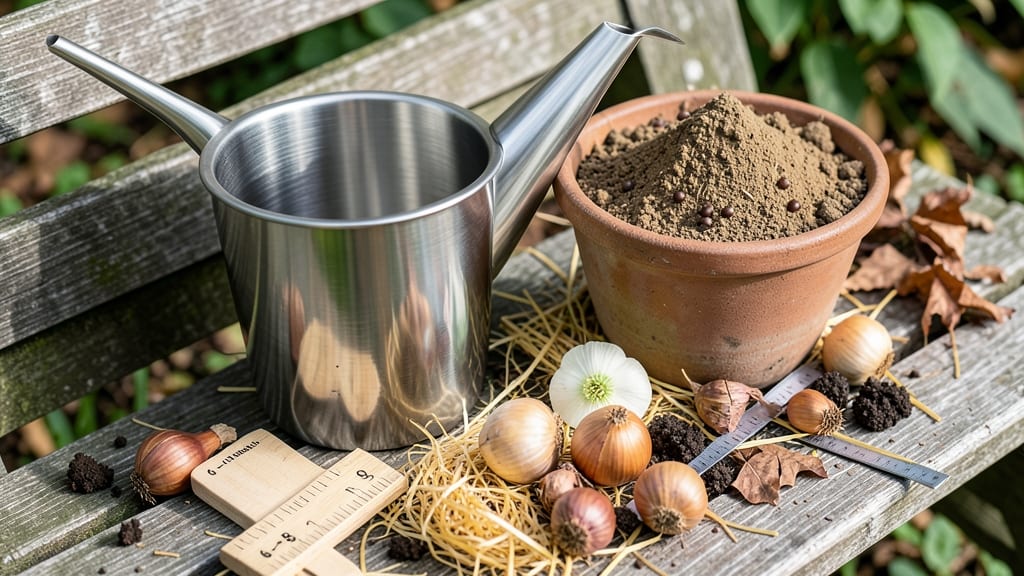
Planting your Spring-Blooming Bulbs 🌷 at the wrong time in Zone 6a could mean waiting years for those dreamy spring blooms—or worse, never seeing them at all.
The secret to success isn’t just digging holes; it’s matching your bulbs to the 6-8 weeks before ground freeze window, when soil temps hover around 60°F and chill hours start building.
I’ve learned the hard way that rushing or delaying planting can leave your tulips, daffodils, and crocuses struggling to root before winter hits.
But here’s the good news: with the right timing and a few simple adjustments for your microclimate, you can guarantee perfect blooms year after year—even in Zone 6a’s unpredictable frost patterns.
Let’s break down exactly when to plant each variety, how to adjust for early or late frosts, and which bulbs thrive best in your region. By the end, you’ll know not just when to plant, but why it matters—and how to set yourself up for a showstopping spring display.
Ready to transform your garden? Grab your gloves, and let’s get those bulbs in the ground at the ideal moment—before the first frost locks them out for good.
Zone 6A bulb planting calendar: exact months by chill-hour requirements
Zone 6A’s 1,500–2,000 chill hours create a unique window for planting bulbs—too early, and roots won’t establish before frost; too late, and they’ll rot in cold soil. The key is planting when soil temps hit 60°F but before ground freezes, typically 6–8 weeks out.
This means most spring-flowering bulbs like tulips and daffodils need to be in the ground by mid-October, while hardier varieties like crocuses can wait until November.
Fall-planted bulbs (like alliums and snowdrops) thrive when planted in September–October, giving roots time to anchor before winter. But if your area gets early frosts, shift planting to late August—just ensure soil stays above 50°F for root growth.
Use a soil thermometer to track temps and adjust your timeline accordingly.
Here’s your Zone 6A bulb planting calendar, broken down by bulb type, chill-hour needs, and ideal planting months:
| Bulb Type | Chill-Hour Range | Ideal Planting Window | Notes |
|---|---|---|---|
| Tulips | 1,500–2,000 hrs | September 15–October 15 | Plant 6–8 inches deep; avoid soggy soil. |
| Daffodils | 1,500–2,000 hrs | September 1–October 30 | Hardier than tulips; tolerates late planting. |
| Crocuses | 1,200–1,800 hrs | September 15–November 1 | Early bloomers; plant 3–4 inches deep. |
| Alliums | 1,500–2,200 hrs | September 1–October 15 | Drought-tolerant; great for late-season color. |
| Snowdrops | 1,000–1,500 hrs | September 1–October 15 | Blooms under snow; plant shallow. |
For Zone 6A’s early frost zones (like higher elevations), shift planting to late August to avoid ground freeze. Conversely, in urban heat islands, you might extend planting until mid-November—just monitor soil temps closely. Pro tip: Mulch after planting to insulate bulbs and protect them from freeze-thaw cycles.
Spring-planted bulbs (like caladiums or canas) follow a different rule: wait until soil warms to 65°F in April–May. But for spring-flowering bulbs, fall planting is non-negotiable—they need winter’s chill to bloom.
Skipping this step means no flowers next spring, no matter how well you care for them afterward.
Don’t overlook soil preparation either. Amend heavy clay with compost or sand to improve drainage, and avoid fresh manure—it can burn bulb roots. Aim for well-draining, slightly sandy soil to prevent rot, especially in Zone 6A’s wetter months.
If you’re in a transition zone (like parts of Pennsylvania or Virginia), err on the side of earlier planting. Check your local frost dates and count backward 6–8 weeks to set your deadline. For example, if frost hits November 10, plant by September 20.
Finally, mark your calendar for spring bulb care: once shoots emerge, stop fertilizing until after blooming to avoid leaf burn. Let foliage yellow naturally—this feeds the bulb for next year’s bigger, brighter blooms.
With the right timing, your Zone 6A garden will burst into color year after year.
Now grab those bulbs and get planting—your future spring garden is waiting! 🌷
Zone 6A bulb planting calendar: exact months by chill-hour requirements
In Zone 6A, where chill hours range between 1,500–2,000, timing your bulb planting to match these requirements is critical. Most spring-flowering bulbs need 6–8 weeks in the ground before the first hard frost to establish roots.
For Zone 6A, this typically means planting between mid-September and mid-November, with soil temps around 60°F.
If you plant too early, bulbs may sprout and get damaged by late-season warmth. Planting too late risks insufficient root growth before winter freeze. The key is to align your planting with local frost dates—aim for 4–6 weeks before the average first frost (usually November 15 in Zone 6A).
| Bulb Type | Chill Hours Needed | Ideal Planting Window | Soil Temp | Notes |
|---|---|---|---|---|
| Tulips | 1,500–2,000 | Mid-Sept to mid-Oct | 55–65°F | Plant early for best blooms; avoid late planting. |
| Daffodils | 1,500–2,500 | Late Sept to early Nov | 50–60°F | Tolerates wider window; great for late planters. |
| Crocuses | 1,000–1,500 | Early Oct to Nov | 45–55°F | Early bloomers; plant shallow (3–4 inches deep). |
| Hyacinths | 1,500–2,000 | Mid-Sept to Oct | 55–65°F | Needs well-draining soil; plant in clusters. |
| Alliums | 1,000–1,800 | Late Sept to Oct | 50–60°F | Drought-tolerant; great for late-season color. |
For fall-flowering bulbs like snowdrops or autumn crocuses, the window shifts slightly later—aim for late September to early October. These bulbs need cooler temps to trigger blooming, so planting them too early can delay or prevent flowers.
Always check your local frost dates and adjust by 1–2 weeks if your area tends toward early or late frosts.
Pro tip: Use a soil thermometer to confirm temps are consistently below 50°F before covering bulbs with mulch. This prevents premature sprouting, which weakens roots before winter. In Zone 6A’s shorter winters, bulbs like ‘Ice Follies’ tulips or ‘Tête-à-Tête’ daffodils thrive because they match the chill-hour range perfectly.
If you miss the fall window, don’t panic! Some bulbs (like daffodils) can tolerate late fall planting or even early spring (March in Zone 6A), though blooms may be delayed. Just be prepared for smaller flowers if roots don’t fully establish before summer heat arrives.