
Plants
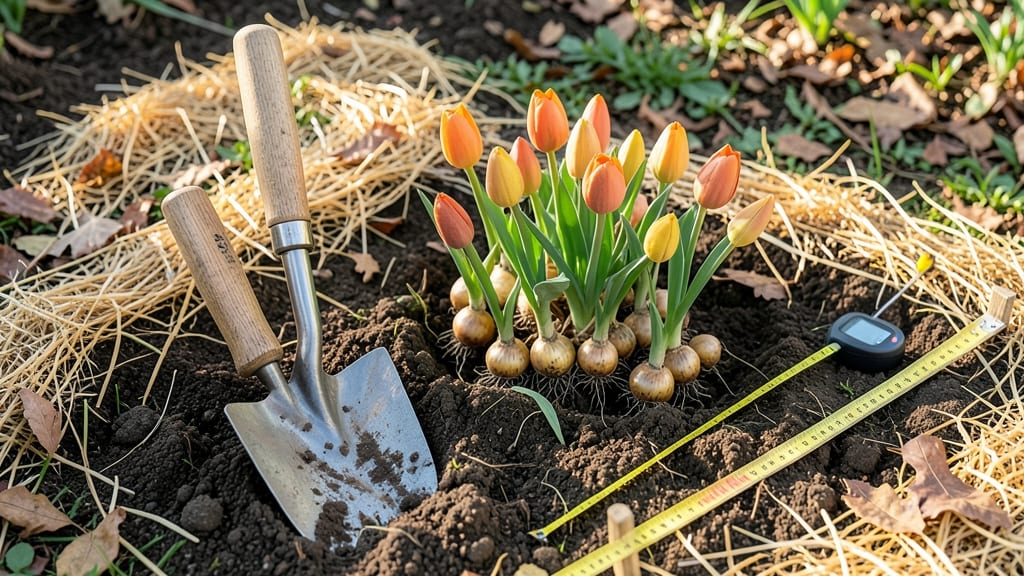
Planting Spring-Blooming Bulbs (Tulips, Daffodils, Hyacinths, etc.) 🌷 in Minnesota isn’t just about throwing them in the ground—it’s about timing them perfectly to survive our brutal winters and reward you with vibrant spring blooms.
Many gardeners assume you can plant bulbs anytime in fall, but the 6-week window before frost is critical. In Minnesota’s USDA Zones 4a-5b, that means late September to mid-October—any earlier, and roots won’t establish; too late, and they’ll rot before winter.
I’ve learned the hard way: skipping soil prep or planting too deep can leave you with no flowers next spring. But don’t worry—this guide breaks down the exact steps, from soil temperature checks to bulb depth, so you’ll know when and how to plant for foolproof results.
Whether you’re a first-time gardener or a seasoned pro, mastering this timing will turn your yard into a springtime showstopper—without the guesswork. Let’s get those bulbs in the ground the right way.
Minnesota bulb planting calendar by hardiness zone (2024)
Minnesota gardeners know timing is everything—especially when planting spring-flowering bulbs. The USDA hardiness zones 4a-5b across the state mean your planting window can shift by weeks from northern to southern regions.
Get it wrong, and you risk frost damage or weak blooms. But nail these zone-specific dates, and you'll enjoy vibrant tulips, daffodils, and crocus year after year.
Most fall-planted bulbs (like tulips and daffodils) need 6 weeks before ground freeze to establish roots. Meanwhile, spring-planted varieties (such as crocus and snowdrops) wait until early spring thaw. Below, I’ve broken down the exact planting windows by zone, including adjustments for early/late frost years.
Pro Tip: Use the 10-day rule—if your area has a 10-day stretch of freezing temps, plant bulbs at least 6 weeks prior to avoid winter damage.
| Hardiness Zone | Fall-Planted Bulbs (Tulips, Daffodils) | Spring-Planted Bulbs (Crocus, Alliums) | Key Notes |
|---|---|---|---|
| Zone 4a (Northwest MN: International Falls, Bemidji) | Mid-September to early October | Late April to early May | Soil temps must be 40-50°F; cover with 4-6" mulch after planting. |
| Zone 4b (Central MN: Brainerd, St. Cloud) | Late September to mid-October | Early to mid-May | Plant daffodils first (they handle colder soil better). |
| Zone 5a (Twin Cities, Rochester) | October (first 2 weeks) | Mid-April to late April | Avoid planting after mid-October—soil may freeze too soon. |
| Zone 5b (Southeast MN: Winona, Austin) | October (first 3 weeks) | Late March to early April | Warmer microclimates allow earlier spring planting of crocus. |
For northern Minnesota (zones 4a-4b), aim to finish planting by October 15th. The ground freezes faster here, so prioritize hardy varieties like daffodils and alliums, which tolerate colder soils better than tulips.
In southern zones (5a-5b), you’ve got a little more flexibility—planting through early November is often safe, but monitor frost forecasts.
If you’re unsure about your last frost date, check the MN State Climatology Office or use a soil thermometer (aim for 50°F at 6" depth). Spring-planted bulbs like crocus can handle light frosts, but avoid planting until the soil is workable and daytime temps stay above 40°F.
One common mistake? Planting too shallow in heavy clay soils. In zone 4a, dig 8-10" deep (twice the bulb’s height) to protect roots from freeze-thaw cycles. In zone 5b, 6-8" depth works well. Always add compost or bone meal to the planting hole for extra nutrients.
For container gardening, plant bulbs in well-draining pots by September 15th in all zones. Keep containers in a protected spot (like a garage or insulated box) if early frosts hit. Move them back outside in spring after last frost.
Remember: Bulbs planted in fall will reward you with early spring blooms, while spring-planted varieties (like snow crocus) push through late winter snow. Plan your garden for layered color—start with crocus in March, followed by tulips in April, and alliums in May.
Need a backup plan? Pre-chill bulbs for 4-6 weeks in your fridge (crisp drawer) if you miss the fall window. Just plant them as soon as the ground thaws in spring—they’ll still bloom, though slightly later.
With these zone-specific dates and a little prep, your Minnesota garden will burst with color—no matter where you are in the state. Happy planting! 🌷🌱
Critical factors that determine your planting window
Minnesota’s unpredictable frost dates and soil temperature swings make timing bulb planting a science—not a guess. The 6-week rule before ground freeze is your golden window, but three key factors actually control when you should plant: soil temperature, bulb hardiness, and local frost patterns.
Let’s break them down so you never plant too early or too late.
First, soil temperature must drop below 60°F (15°C) for most spring bulbs to trigger root growth. In Minnesota’s USDA Zones 4a-5b, this typically happens by late September in southern areas (like Rochester) but can wait until early October in colder zones (like Duluth).
Use a soil thermometer to confirm—planting when temps hover around 50-55°F (10-13°C) gives roots the best head start.
Next, bulb hardiness varies wildly. Daffodils and crocus are winter tough and can handle planting as early as mid-August in Zone 5b, while tulips and hyacinths prefer cooler soils and should wait until late September.
Check the USDA hardiness zone on your bulb packaging—it’s not just about the bulb, but how it interacts with your local microclimate.
Finally, frost dates are the ultimate deadline. Minnesota’s average first frost ranges from mid-October in southern MN to early October in the north, but a 6-week buffer means planting should wrap up by mid-November at the latest.
Pro tip: Use the National Weather Service’s frost prediction tool for your specific county—it’s updated annually and accounts for La Niña/El Niño shifts that can delay or rush frost.
🌱 Here’s the kicker: Even if your neighbor plants in early September, their warmer microclimate (like a south-facing slope) might work—while your shady, wet spot could rot bulbs if planted too soon.
Always test your soil’s drainage first: Dig a hole, fill it with water, and if it doesn’t drain in 30 minutes, amend with compost or sand before planting.
Don’t overlook bulb size either. Larger bulbs (like 12/0 daffodils) establish roots faster than small #2 tulips, so they can handle earlier planting. For container gardening, plant 2-3 weeks later than in-ground—containers freeze faster and hold moisture longer, increasing rot risk.
🌿 Adjust for your zone:
- Zone 4a (Northern MN): Aim for late September to early October
- Zone 5a (Central MN): Mid-September to mid-October
- Zone 5b (Southern MN): Late August to early November
Use these ranges as a flexible guide, not a rigid rule—Mother Nature in Minnesota rarely follows schedules.
- 🌡️ Soil temp: Plant when soil is 50-55°F (10-13°C)—use a thermometer!
- ⏰ Frost buffer: 6 weeks before ground freeze is non-negotiable.
- 🌿 Bulb type: Daffodils = early; tulips = later.
- 📏 Zone matters: Zone 4a ≠ Zone 5b—adjust your calendar!
- 💧 Drainage check: Poor drainage = bulb death—amend soil first.