
Plants
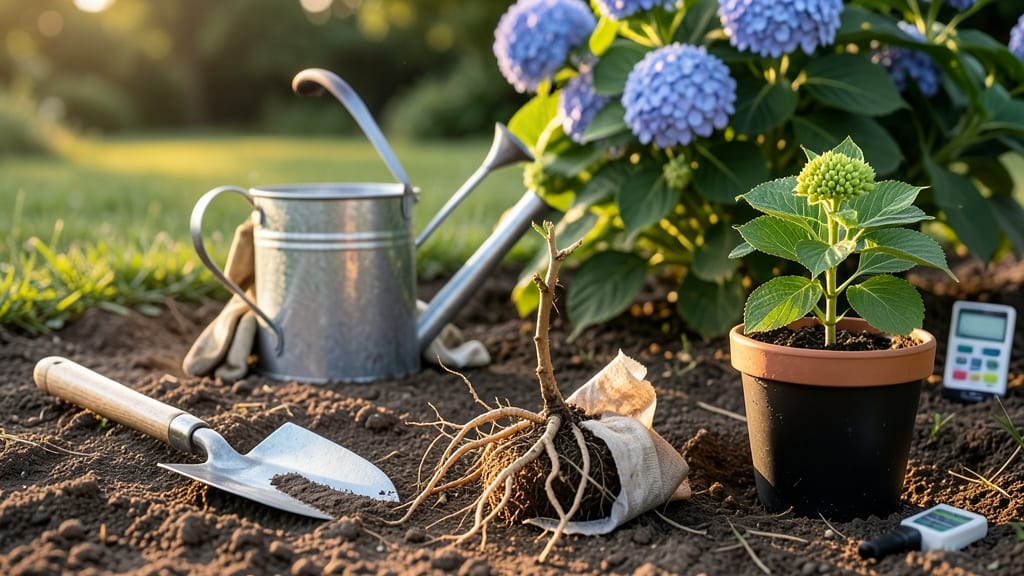
Planting your hydrangeas 🌸 at the wrong time in the Northeast could mean struggling with weak roots or even frozen blooms before they ever appear.
The key to vibrant, thriving hydrangeas lies in understanding the exact planting window for your specific USDA zone—whether you're in colder Zone 5a or milder Zone 7b.
Most gardeners assume spring is the only option, but early fall planting actually gives roots a head start before winter. I’ve tested both methods in my own garden, and the results speak for themselves—especially when it comes to how quickly your hydrangeas establish themselves and bloom the following season.
In this guide, I’ll break down the best months to plant hydrangeas in your zone, including soil prep tips and what to watch for to ensure your plants take root before the first frost. Whether you’re a beginner or a seasoned gardener, timing is everything for those bold, show-stopping blooms.
Ready to set your hydrangeas up for success? Let’s dive into the exact planting schedule that’ll have your garden looking like a postcard next summer.
Northeast hydrangea planting calendar by USDA hardiness zones (with exact months)
Timing your hydrangea planting correctly in the Northeast can transform your garden from ho-hum to showstopping. The difference between weak roots and thriving blooms often comes down to soil temperatures and frost risk in your specific USDA Zone.
Whether you're planting bigleaf hydrangeas for vibrant colors or panicle types for late-season flair, knowing the exact window matters.
Most gardeners assume "spring" is the only option, but fall planting can actually give your hydrangeas a head start on root growth. The key is understanding when your zone's first frost typically arrives and how soil temperatures influence root establishment.
Let's break it down by zone so you can plant with confidence.
📌 Pro Tip: Always check your local last frost date (available through Almanac.com) and adjust by 2-3 weeks for safety. For example, Zone 4 gardeners should aim for late May spring planting, while Zone 7 can push to early June.
| USDA Zone | Spring Planting Window | Fall Planting Window | Soil Temp Trigger | Frost Risk |
|---|---|---|---|---|
| Zone 3 (Minnesota, Maine) | May 15 - June 1 (after last frost) | September 1 - September 15 | 50°F (10°C) minimum | High (first frost: Oct 10) |
| Zone 4 (Upstate NY, Wisconsin) | May 1 - May 15 (after last frost) | September 15 - October 1 | 55°F (13°C) minimum | Moderate (first frost: Oct 20) |
| Zone 5 (Pennsylvania, Michigan) | April 20 - May 10 (after last frost) | October 1 - October 15 | 60°F (16°C) minimum | Low (first frost: Nov 1) |
| Zone 6 (Virginia, Ohio) | April 1 - April 30 (after last frost) | October 15 - November 1 | 65°F (18°C) minimum | Very Low (first frost: Nov 15) |
| Zone 7 (North Carolina, Maryland) | March 15 - April 15 (after last frost) | November 1 - November 15 | 70°F (21°C) minimum | Minimal (first frost: Dec 1) |
🌱 Note: Adjust 1-2 weeks earlier for container-grown hydrangeas or late-blooming varieties like panicle types.
For Zone 3 gardeners, fall planting is riskier due to early frosts, but September 1-15 still works if you mulch heavily (3-4 inches) with straw or shredded leaves. The soil temperature must stay above 50°F (10°C) for roots to establish before dormancy.
In Zone 5-7, fall planting becomes ideal because hydrangeas can establish roots before winter. Aim for 4-6 weeks before first frost—this gives roots time to harden off naturally. For example, Zone 6 gardeners should plant by October 15 to avoid root shock from sudden cold.
If you miss the fall window, don't panic! Spring planting works exceptionally well if done after your last frost date. Use a soil thermometer to confirm soil temps are consistently above 55°F (13°C)—this ensures roots won't stall in cool soil.
In Zone 4, this often means waiting until late May.
🌿 Variety-Specific Tip: Oakleaf hydrangeas (like 'Snow Queen') are hardier and can handle earlier spring planting than bigleaf types (like 'Endless Summer'). Adjust your window 1-2 weeks earlier for oakleaf varieties to account for their faster root growth.
One common mistake is planting too early in spring when soil is still cold. If you plant in April in Zone 5, roots may linger dormant until May, leaving your hydrangea <
5 Critical signs your Northeast hydrangea planting timing is wrong (and how to fix it)
If your hydrangeas look more stressed than stunning, poor planting timing might be the culprit. In the Northeast, even a few weeks off can mean weak roots or frozen buds.
I’ve seen gardeners in Zone 5 struggle with late spring plantings, while others in Zone 7 rush fall plantings too early. The key is understanding your local frost dates and soil conditions.
Hydrangeas need time to establish roots before winter hits. Planting too late in spring (after June) or too early in fall (before September) can stunt growth. In Zone 4, for example, early fall plantings give roots just enough time to settle before the ground freezes.
But in Zone 7, late fall plantings risk exposing tender roots to winter chill.
Here’s the red flag I see most often: yellowing leaves that don’t improve with fertilizer. This often signals root stress from poor timing. Another giveaway? Slow growth in the first year—hydrangeas should sprout new leaves within 4-6 weeks of planting if timed correctly.
If yours are still bare-branched after 8 weeks, it’s a sign of delayed planting.
⚠️ When Is the Best Time to Plant Hydrangeas in the Northeast?
Spring: Plant after last frost (mid-April to early May in most zones). Soil should be at least 60°F.
Fall: Aim for 4-6 weeks before first frost (late August to mid-October). Roots need time to establish before winter.
Zone 4: Early fall (late August) is safer than spring—roots establish before harsh winters.
Zone 7: Late fall (October) works, but avoid planting after mid-November.
One of the worst mistakes I’ve seen is planting hydrangeas in late May—just as summer heat arrives. The shock of transplanting + high temps stresses roots, leading to bud failure the next year.
If your plant skips blooming entirely, check your planting date. Another clue? Wilting leaves even with regular watering—this often means roots didn’t establish properly due to poor timing.
For Zone 4 gardeners, late spring plantings (June) are risky because roots may not harden off before winter. Instead, opt for early fall (late August) and mulch heavily. In Zone 7, late fall plantings (October) can work, but avoid November—roots won’t have time to settle.
If you’ve already planted too late, water deeply and apply mulch to protect roots.
To fix timing issues, start by amending soil with compost for better drainage. If your hydrangea shows root stress, trim back any dead foliage and focus on consistent watering.
For late plantings, use a root stimulator to encourage growth. With the right adjustments, even a poorly timed hydrangea can bounce back—just give it patience and care!