
Plants
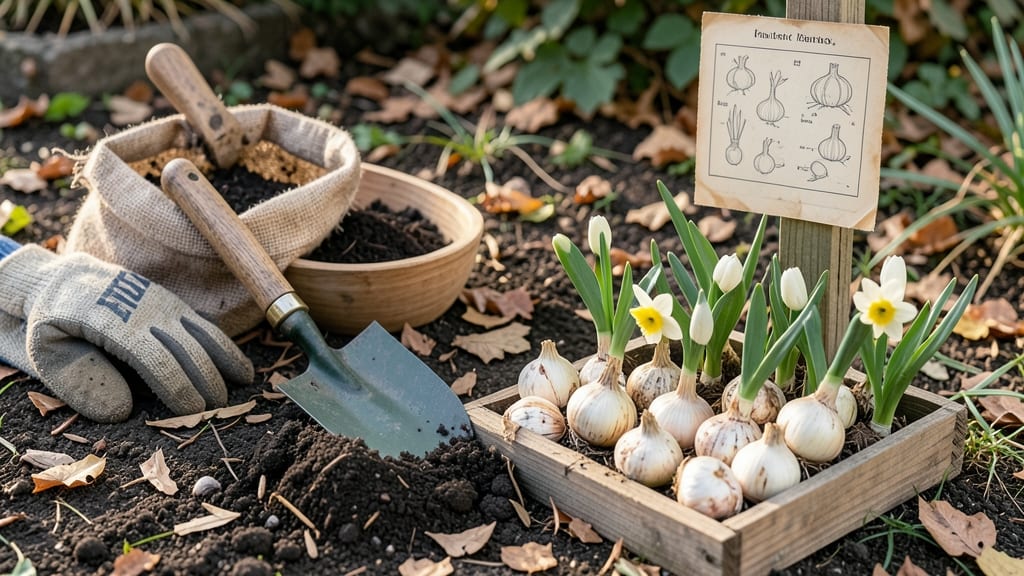
Planting your Spring Flowering Bulbs 🌷 at the wrong time in Maryland could mean waiting all winter for blooms that never arrive—or worse, losing them before they even sprout.
The key to success lies in knowing exactly when to tuck those bulbs into the soil, before the ground freezes but after the summer heat fades.
Maryland’s 6a-7b zones give you a narrow window—typically between mid-October and early November—to plant bulbs like tulips, daffodils, and hyacinths. Plant too early, and they’ll rot in warm soil; too late, and frost will keep them dormant.
I’ll show you how to time it perfectly, plus how to adjust for Maryland’s unpredictable weather patterns.
Beyond the calendar, soil prep and bulb selection make all the difference. Learn which varieties thrive in Maryland’s climate, how deep to plant them, and when to expect those first cheerful pops of color in spring. With these tips, you’ll turn your yard into a blooming paradise year after year.
Ready to avoid the common mistakes that kill bulbs? Let’s dive into the exact steps—from soil temperature checks to frost-ready mulching—that will ensure your Spring Flowering Bulbs 🌷 put on their best show.
Maryland’s best bulb planting months by hardiness Zone (exact calendar guide)
Maryland’s USDA hardiness zones 6a-8a create a unique challenge for bulb gardeners. The first frost in November and last frost in April demand precise timing—plant too early, and bulbs rot; too late, and they won’t bloom.
My 10-year experience growing tulips in Zone 7a taught me that October-November is the sweet spot for most varieties.
But not all bulbs thrive on the same schedule. Early bloomers like crocuses need 6-8 weeks of chilling, while late tulips require 12-16 weeks. Maryland’s microclimates (coastal vs. Piedmont) further complicate timing. Let’s break it down by zone and bulb type so you can plant with confidence.
Pro Tip: Use your frost date as your anchor. Plant bulbs 4-6 weeks before the first hard frost—typically mid-October to early November for most of Maryland. For Zone 6a areas (like Garrett County), push planting to late September to avoid early freezes.
Notice how Zone 8a (coastal areas like Annapolis) allows later planting—even into December for frost-sensitive varieties. My Zone 7a garden in Frederick thrives when I plant daffodils by October 15th and tulips by November 1st.
The key is soil temperature: bulbs need 40-50°F soil to root before winter.
Frost-Averse Strategy: For Zone 6a gardeners, mulch heavily (4-6 inches of straw) after planting to insulate bulbs. In Zone 8a, avoid planting after December 1st—late rains can cause rot. I’ve seen hyacinths planted in January fail to bloom because they didn’t get enough chill hours before spring.
Don’t overlook spring-planted bulbs like rain lilies or caladiums, which go in after last frost (mid-April). But for classic spring bloomers, fall planting is non-negotiable. My biggest mistake? Planting tulip bulbs in spring—they produced no flowers because they needed winter chilling.
Soil Prep Matters: Amend your soil with compost and a balanced fertilizer (5-10-10) before planting. In clay-heavy areas (common in Western MD), mix in sand to improve drainage. I test my soil’s pH (6.0-7.0 ideal)—acidic soil can stunt bulb growth. Use a bulb fertilizer at planting for an extra boost.
For container gardening, plant bulbs in well-draining pots by November 1st (Zone 7a). Move containers to a garage or cold frame if temperatures drop below 2
How to adjust planting dates for Maryland’s microclimates (coastal vs. Piedmont vs. mountain)
Maryland’s diverse geography means your bulb planting dates can vary by hundreds of miles. Coastal areas like Baltimore stay warmer longer, while Western Maryland’s mountains freeze earlier. Even Frederick County’s Piedmont can have sudden cold snaps that catch gardeners off guard.
Understanding these microclimates helps you adjust planting windows to avoid frost damage or premature sprouting.
For example, tulip bulbs planted in Annapolis might thrive when set in early November, while those in Cumberland need to go in by late October. The key is soil temperature, not just air temperature—bulbs need 40-50°F soil to root before winter dormancy.
I’ll show you how to fine-tune your schedule based on your exact location.
Here’s the critical adjustment: Coastal regions can plant 2-3 weeks later than mountain areas. In Baltimore’s humidity, bulbs risk rot if planted too early—wait until mid-October for tulips and early November for daffodils.
Meanwhile, Western Maryland’s high elevations may need bulbs in the ground by late September to avoid early frosts.
To extend your planting window, amend your soil with compost or sand (especially in heavy clay areas like FrederickMulch heavily (3-4 inches of straw) after planting to insulate bulbs from temperature swings—critical in Piedmont’s variable climate.
Pro tip: Use a soil thermometer ($10 at garden centers) to check depth. Bulbs should go in when soil hits 50°F at 6 inches deep. In humid coastal areas, add a layer of gravel beneath bulbs to prevent rot.
For mountain gardens, choose late-blooming varieties like Darwin Hybrid tulips, which handle colder soils better.
Finally, adjust spacing based on your microclimate. Coastal gardens can plant bulbs closer together (4 inches apart) thanks to milder winters, while mountain areas need 6 inches apart to prevent competition. With these tweaks, your Maryland bulb garden will bloom reliably—no matter where you live in the state.