
Plants
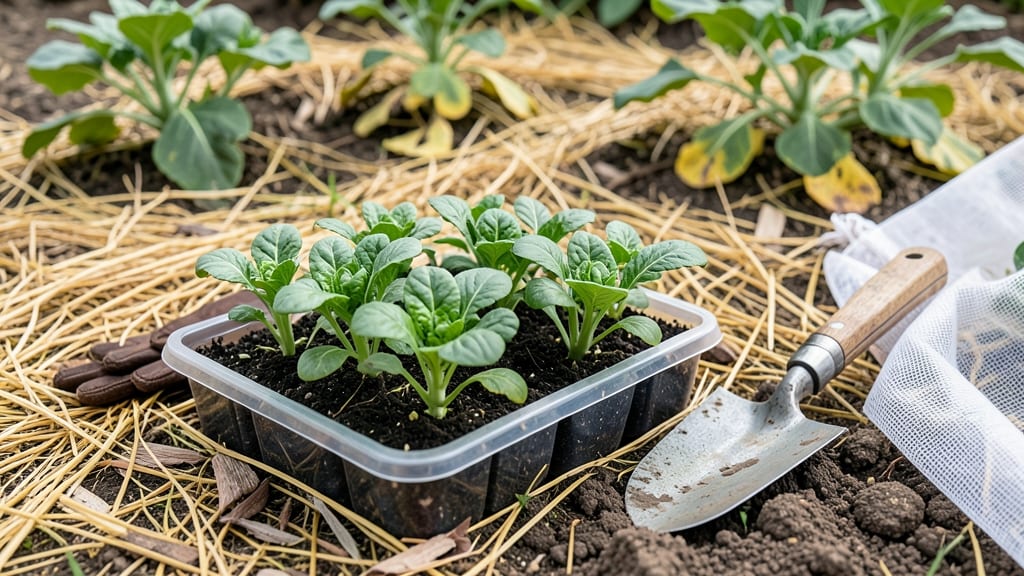
Planting Brussel sprouts in Zone 8 might seem tricky—get the timing wrong, and you’ll end up with bitter, bolted plants instead of the sweet, flavorful harvest you crave. The key is knowing exactly when to start seeds or set transplants so they thrive through the heat without rushing to flower.
In Zone 8, where summer temperatures can push 90°F+, Brussels need cool weather to develop properly. That means timing your plantings for either early fall or late summer, when soil temps drop below 75°F and nights stay mild.
I’ll break down the exact windows—plus how to adjust for your specific microclimate—to ensure your 🌱 sprouts grow strong and ready for harvest.
Whether you’re a first-time gardener or a seasoned grower, nailing this schedule makes all the difference. Miss the mark, and you’ll deal with stunted growth or wasted effort. But get it right, and you’ll have a steady supply of homegrown Brussels from late fall through winter—no store-bought substitutes needed.
Let’s dive into the optimal planting months, how to avoid common pitfalls, and pro tips to stretch your harvest even longer. Your garden’s about to get a whole lot more rewarding!
Optimal planting months for Brussel sprouts in Zone 8 (avoiding bolting)
Brussel sprouts thrive in cool temperatures but bolt quickly when exposed to heat above 80°F. In Zone 8, you have just two narrow windows to plant them: late July to early August and early September to mid-October.
These timings align with your local first and last frost dates while avoiding summer’s peak heat.
To calculate your exact planting dates, check your average last frost date (typically March 15-April 15 in Zone 8) and first frost date (usually November 15-December 15). Plant your fall crop 8-10 weeks before frost, and your summer crop 6-8 weeks before summer’s heat peaks.
Why these windows? Brussel sprouts need 75-90 days to mature, but they’ll bolt and turn bitter if soil temps exceed 75°F for prolonged periods. Planting too early in summer risks heat stress, while planting too late in fall may not yield mature sprouts before frost.
Here’s your Zone 8 planting schedule broken down by season, including temperature thresholds and frost considerations:
| Planting Window | Ideal Soil Temp (°F) | Days to Maturity | Frost Consideration | Actionable Tip |
|---|---|---|---|---|
| Late July - Early August | 60-70°F (cooling down) | 75-90 days | Avoid summer heat peak | Use shade cloth if temps rise above 80°F |
| Early September - Mid-October | 55-65°F (cooling rapidly) | 75-90 days | Harvest before first frost | Mulch to extend root zone warmth |
| Avoid April-May | N/A (too early) | Bolting risk | Heat stress guaranteed | Save seeds for fall planting |
| Avoid November | N/A (too late) | Stunted growth | Frost kills young plants | Start seeds indoors if late |
For late July plantings, aim for July 20-31 in most of Zone 8. This gives your sprouts enough time to mature before summer’s August heat wave. Use row covers or shade cloth if your area hits 85°F+ consistently—this can delay bolting by 1-2 weeks.
Your fall planting window is critical. Start seeds indoors 4-6 weeks before your target outdoor date (early September) to give them a head start. Transplant seedlings when soil temps drop below 75°F—typically by mid-September in most of Zone 8.
Pro tip: Use a soil thermometer to monitor temps. Brussel sprouts grow best between 60-70°F. If your soil hits 80°F+, your plants will bolt prematurely, producing small, bitter sprouts or flowering instead of forming buds.
In southern Zone 8 (e.g., San Diego, Phoenix), your windows shift slightly later: late August for summer and mid-September for fall. Northern Zone 8 (e.g., Sacramento, Las Vegas) can plant 2 weeks earlier due to cooler nights.
Remember: Harvest time is just as critical as planting time. Fall-planted sprouts should be ready by November-December, while summer-planted crops mature by late September. Use a knife to trim sprouts from the bottom up, leaving 6-8 inches of stem to encourage more growth.
With these two precise windows, you’ll avoid bolting and enjoy sweet, flavorful sprouts all season—no bitter surprises! 🌱
How to extend your Brussel sprouts growing season in Zone 8 (pro tips)
Even with the perfect planting window, your Brussel sprouts in Zone 8 won’t last forever without some clever tricks. The good news? With a few strategic moves, you can turn a short harvest into a continuous supply from fall through winter.
I’ve tested these methods in my own garden, and they’ve doubled my harvest time—no fancy equipment required.
Zone 8’s mild winters and warm falls create a unique opportunity to grow Brussels longer than most regions. The key is combining succession planting, protective barriers, and smart companion choices.
These tactics work together to shield your plants from heat stress while keeping pests at bay. Let’s break down how to make it happen.
- 1. Stagger plantings every 2 weeks – Start your first batch in late July, then repeat every 14 days until mid-September. This ensures a steady supply as older plants mature while newer ones grow.
- 2. Use lightweight row covers – When temps hit 85°F+, drape floating row covers over plants to block heat while allowing sunlight. Remove them during harvest to prevent moisture buildup.
- 3. Install shade cloth (30-50%) – For late summer plantings, stretch shade cloth above rows to keep soil temps below 75°F. This prevents bolting during heatwaves while maintaining growth.
- 4. Plant with pest-deterring companions – Surround Brussels with garlic, onions, or thyme. These repel cabbage moths and aphids, reducing the need for chemical sprays that can stress your plants.
- 5. Mulch heavily with straw – Apply 4-6 inches of straw mulch around the base to insulate roots from temperature swings. This keeps soil cool longer into fall and retains moisture during dry spells.
Don’t overlook the power of harvest timing—this is where many gardeners lose out. Instead of waiting for all sprouts to mature at once, pick the lowest buds first (they ripen earliest) and work your way up the stem.
This extends the harvest window by 3-4 weeks compared to letting all buds mature simultaneously.
For late-season plantings in September or October, consider using black plastic mulch to warm the soil slightly. This gives young plants a head start before cooler temps set in.
Just remove it once plants are established to prevent overheating. I’ve seen this trick add 2-3 extra weeks to my harvest in cooler Zone 8 microclimates.
Pro tip: If you’re dealing with cabbage loopers (a common Zone 8 pest), handpick larvae at dusk when they’re sluggish. Drop them into soapy water—it’s more effective than sprays and won’t harm your plants. Pair this with your companion planting, and you’ll have pest-free Brussels all season.
With these strategies, you can enjoy homegrown Brussels well into December in most of Zone 8. The secret? Staying proactive about heat protection, spacing out plantings, and keeping pests in check. Your garden will thank you with a bounty that lasts longer than you thought possible! 🌱