
Plants
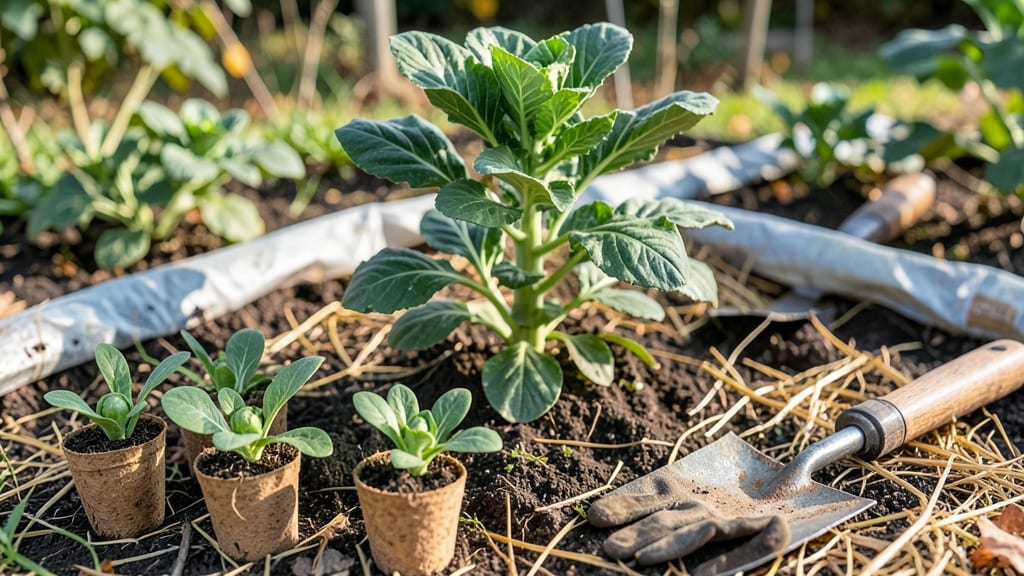
When to plant Brussels sprouts in Illinois is the secret to turning your garden into a sprouting goldmine—or risking a season of regret. Plant too early, and heat stress sends them bolting before you even see sprouts. Too late, and frost cuts your crop short—wasting all that hard work.
I’ve grown Brussel sprouts in Illinois for years, and the key isn’t just following a calendar—it’s reading your microclimate. Whether you’re in Chicago’s Zone 5 or St. Louis’ Zone 6, the right window depends on soil temps, frost dates, and even your garden’s sun exposure.
Miss it, and you’ll end up with tough, woody sprouts—or worse, none at all.
Here’s what I’ve learned: Spring plantings need to hit the ground 4-6 weeks before last frost (late March to mid-April), while fall crops thrive when seeded mid-July to early August for a winter harvest.
But there’s more—like how to stretch your season with row covers or choose bolt-resistant varieties. Let’s break it down so you can grow sweet, tender sprouts every time.
Ready to avoid the common mistakes that turn Brussel sprouts into a gamble? I’ll walk you through the exact steps—from seed starting to companion planting—to guarantee a harvest that’ll make your neighbors jealous. Let’s get started.
Illinois microclimate planting zones for brussel sprouts: start dates by region
Brussel sprouts love Illinois' cool climate, but timing is everything to avoid bitter bolts and wasted effort. The state's three distinct microclimates—Northern (Chicago), Central (Springfield), and Southern (St. Louis)—each demand slightly different planting windows.
Let's break down the exact start dates and frost-sensitive windows for each region to maximize your harvest.
In Illinois, USDA Zones 5-6 create ideal conditions for brussel sprouts, but microclimates within these zones shift last frost dates by up to 2 weeks. Northern Illinois experiences earlier springs and colder winters, while Southern Illinois enjoys longer growing seasons.
Understanding these differences helps you time plantings perfectly for zero-bolt risk.
Here's the critical data you need: Northern Illinois (Chicago area) has an average last frost date of April 15, while Southern Illinois (St. Louis area) sees its last frost around April 22.
Central Illinois (Springfield) falls right in the middle with April 18. These dates are your planting anchors for both spring and fall crops.
For spring planting, aim to sow seeds 4-6 weeks before your region's last frost date. This means Northern Illinois gardeners should start in late March, while Southern Illinois can wait until mid-April.
The key is to have transplant-ready seedlings by early May to avoid heat stress that triggers bolting.
Fall planting offers the most reliable harvests in Illinois, as cooler temperatures prevent bolting. Plant 60-70 days before your first frost date—so Northern Illinois should sow by mid-July, while Southern Illinois has until mid-August.
This timing ensures sprouts mature before winter sets in but still experience cool fall temperatures that sweeten their flavor.
Remember that soil temperature matters just as much as air temperature. Brussel sprouts need soil temps above 40°F to germinate. In Northern Illinois, this often means waiting until early May for direct sowing, while Southern Illinois can start a week earlier.
Always check soil temperature with a soil thermometer before planting.
One pro tip for Illinois gardeners: Succession planting every 2 weeks during your region's planting window extends harvests. For example, in Central Illinois, plant April 1, April 15, and May 1 for staggered maturity. This strategy works especially well for fall crops where you want a continuous harvest through winter.
If you're growing dwarf varieties like 'Long Island Improved' or 'Ruby Ball', you can push your planting windows slightly earlier, as these mature in 80-90 days versus 90-100 days for standard varieties. However, always prioritize frost dates over variety maturity to avoid premature bolting from heat stress.
For gardeners in urban microclimates like Chicago's downtown or St. Louis' riverfront areas, heat islands can push last frost dates 5-7 days earlier than rural areas. Monitor local weather stations and adjust your planting dates accordingly. A 5-day delay
How to extend the growing season for late-harvest brussel sprouts in Illinois
Illinois gardeners can push brussel sprout harvests deep into winter with the right strategies. By combining succession planting, cold-hardy varieties, and protective covers, you'll enjoy fresh sprouts when most gardens are dormant. The key is timing—start early and use layered defenses against freezing temperatures and early frost.
First, focus on cold-tolerant varieties like 'Long Island Improved' or 'Ruby Ball'. These varieties handle 20°F temperatures without bolting, making them ideal for late-season harvests. Pair them with row covers or low tunnels to create a microclimate that extends your growing window by 4-6 weeks.
- Plant fall crops 8-10 weeks before your first frost date (typically mid-July to early August in Illinois) for a late harvest.
- Use black plastic mulch to warm soil in spring or straw mulch to insulate roots in winter.
- Install floating row covers at night when temperatures drop below 30°F to prevent frost damage.
- Harvest before hard freezes (below 15°F) by picking sprouts and storing them in a cool, dark place.
- Try succession planting every 2-3 weeks in late summer for staggered harvests through December.
For maximum protection, combine row covers with cold frames or mini greenhouses. These setups can raise temperatures by 10-15°F, allowing you to harvest well into December. Just ensure proper ventilation to prevent condensation buildup, which can lead to fungal diseases like downy mildew.
Watering becomes critical as winter approaches. Deep watering every 5-7 days (or when soil is dry 1-2 inches down) keeps roots hydrated without over-saturating the soil. Avoid wet foliage by watering in the morning—this reduces disease risk and helps plants dry quickly before nighttime chills set in.
Don't forget to harvest regularly to encourage new sprout growth. Start with the lower sprouts first, working your way up the stem. This method keeps plants productive and prevents the entire crop from maturing at once.
With these techniques, you can enjoy homegrown brussel sprouts long after your neighbors' gardens have gone to sleep.
Pro tip: Mark your calendar for October 15th—this is when Illinois' first hard frost typically arrives. Use this date to plan your final harvest or protective measures. With patience and the right tools, you'll turn late-season challenges into a rewarding extension of your growing season. 🥦🌡️