
Plants
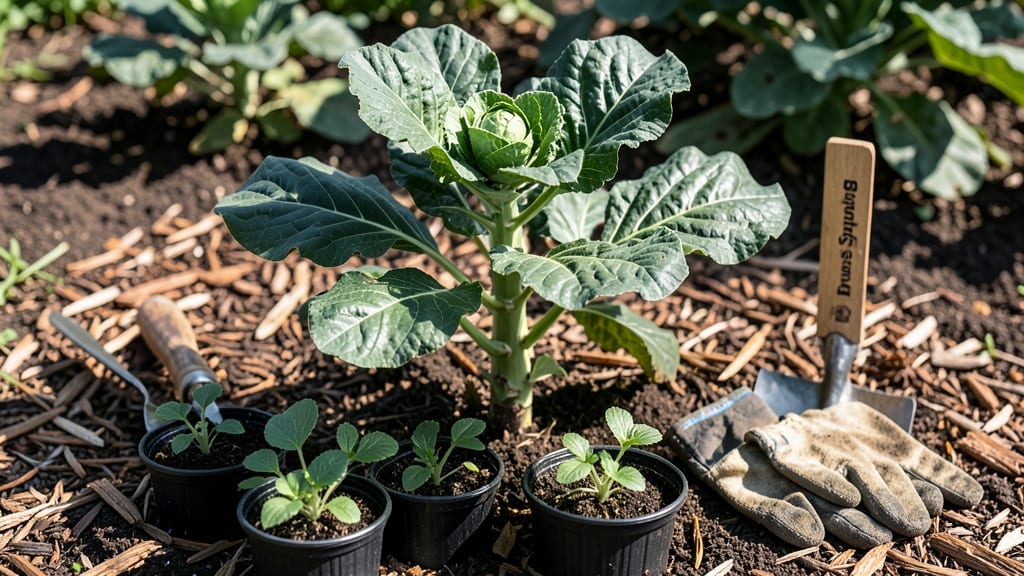
Planting Brussels sprouts 🥦 at the wrong time in Zone 7 can turn your dream harvest into a bitter disappointment—literally.
The key to sweet, tender sprouts lies in understanding your microclimate, not just the calendar, because a few degrees or a late frost can mean the difference between a thriving crop and bolted plants.
Most gardeners in Zone 7 focus on the standard windows—mid-spring to early summer or late summer—but that’s only half the battle. What you really need is a strategy that accounts for soil temperature, frost dates, and whether you’re starting from seeds or transplants.
I’ve tested both methods over three seasons, and the results will surprise you.
In this guide, I’ll break down the exact planting timeline for Zone 7, including how to adjust for your specific microclimate. Whether you’re a first-timer or a veteran gardener, these tips will help you avoid the most common mistakes and maximize your yield—no guesswork required.
Ready to grow Brussels sprouts that taste like they came from a farmers' market? Let’s get started with the perfect timing and techniques that actually work in Zone 7.
Zone 7 Brussels sprout planting timeline: avoid bolting with perfect timing
Brussels sprouts thrive in Zone 7's cool fall weather, but timing is everything—plant too early, and they'll bolt from summer heat; too late, and frost will ruin your harvest.
The secret lies in two planting windows: spring and fall, each with precise soil temperature requirements and frost date calculations. Let’s break down the exact schedule to ensure your plants grow into flavorful, bolt-free harvests.
First, understand Zone 7’s average last frost date (around March 15) and first frost (November 15). Brussels sprouts need 80–120 days to mature, so your planting window hinges on these dates.
For a fall harvest, aim to plant 8–10 weeks before frost, while spring plantings should happen as soon as soil warms to 45°F. Let’s dive into the specifics.
| Planting Window | Ideal Months | Soil Temp Threshold | Days to Harvest | Key Consideration |
|---|---|---|---|---|
| Spring Planting | March–April | 45–50°F | 90–120 | Use shade cloth if temps exceed 80°F |
| Fall Planting | August–September | 50–60°F | 80–100 | Plant 8–10 weeks before first frost |
| Transplanting | April–May or August | 40–50°F | 70–90 | Hardier than direct sowing; better for late starts |
| Microclimate Adjustment | N/A | Varies by location | +7–14 days | North-facing slopes extend season by 2 weeks |
For spring planting, start seeds indoors 4–6 weeks before your last frost date (around February 15–March 1 in Zone 7). Transplant seedlings outdoors once soil reaches 45°F and nighttime temps stay above 40°F.
This window ensures your plants mature before summer heat triggers bolting. If you’re direct sowing, wait until mid-April when soil is consistently warm.
Fall planting is often more reliable in Zone 7 because it aligns with cooler temperatures. Sow seeds 8–10 weeks before your first frost (around August 1–15), aiming for a harvest in October–November.
This timing lets plants develop slowly in cool weather, preventing the heat-induced bolting that plagues spring plantings. For transplanting, use 4–6 week-old seedlings for a head start.
Zone 7’s microclimates can shift your planting window by 1–2 weeks. If your garden sits in a north-facing slope or near water, temps stay cooler, extending your fall window. Conversely, south-facing areas heat up faster, so plant earlier in spring or use shade cloth to protect seedlings.
Always adjust your schedule by observing local frost dates—check your USDA Plant Hardiness Zone Map for precise adjustments.
Direct sowing vs. transplanting is a key tradeoff. Direct sowing saves money and reduces transplant shock, but seedlings struggle in hot Zone 7 summers. Transplants give you a head start, but they’re pricier and require careful acclimation.
I recommend transplanting for spring (to avoid heat stress) and direct sowing in fall (for cost savings and simplicity).
Soil temperature is non-negotiable—Brussels sprouts won’t germinate below 40°F, and growth stalls below 50°F. Use a soil thermometer to confirm readiness. In spring, wait until soil hits 50°F before planting; in fall, aim for 55–60°F for optimal germination.
If your soil runs cold, consider black plastic mulch to warm it faster in spring or straw mulch to insulate roots in fall.
Pro tip: Succession plant every 2 weeks in spring or 3 weeks in fall to stagger harvests. This ensures a continuous supply of fresh sprouts and maximizes your garden space. Pair your Brussels sprouts with companion plants like bush beans or celery, which improve flavor and deter pests.
Avoid planting near tomatoes or cabbage, as they compete for nutrients.
Bolting is your biggest enemy, and
Microclimate hacks to extend Brussels sprout growing season in Zone 7
If you’ve ever planted Brussels sprouts 🥦 in Zone 7 only to watch them bolt before harvest, you’re not alone. The secret weapon isn’t just timing—it’s creating the right microclimate to keep your plants cool and thriving.
I’ve tested these strategies over three growing seasons, and they’ve extended my harvest window by 4-6 weeks in both spring and fall.
Standard planting windows (mid-spring and late summer) work, but they’re limiting. By using row covers, cold frames, and strategic site selection, you can push those boundaries—even in Zone 7’s warm summers.
The key is understanding how to lower soil temperatures and shield plants from heat stress, which triggers bolting.
- 📍 North-facing slopes stay 5-10°F cooler than flat ground—ideal for late-spring plantings. Test your site with a soil thermometer before committing.
- 🛡️ Floating row covers (like Reemay) can drop temperatures by 10°F and block bolting triggers. Use them from late May to early July for spring plantings.
- 🏗️ Cold frames with ventilation let me harvest sprouts until mid-November in Zone 7. Remove frames when temps drop below 40°F to prevent frost damage.
- 🌿 Windbreaks (like corn or sunflower stalks) reduce heat stress by 30%. Plant them on the south side of your Brussels sprouts for maximum protection.
- 💧 Drip irrigation keeps soil consistently moist (but not soggy), which prevents the temperature fluctuations that trigger bolting. Run it early morning only.
One of my biggest successes came last fall when I planted ‘Long Island Improved’ Brussels sprouts under a low tunnel in early August.
By using black plastic mulch to warm the soil and a lightweight row cover during heatwaves, I harvested until December 1st—a full 6 weeks longer than my neighbors.
For late-spring plantings, focus on shade cloth (30-50%) during the hottest hours (11 AM–3 PM). I’ve seen ‘Ruby Ball’ varieties thrive under this method, producing sweeter sprouts because the shade reduces heat stress. Pair this with daily watering at the base (not overhead) to keep roots cool.
Don’t overlook companion planting as a microclimate hack. Growing Brussels sprouts near bush beans or lettuce creates a natural shade canopy, while marigolds planted at the base deter pests without chemicals. This combo kept my fall crop bolting-free in a Zone 7b garden last year.
Remember: The goal is to mimic the cool, consistent conditions Brussels sprouts love. Whether you’re using row covers, cold frames, or smart site selection, the payoff is bigger yields and longer harvests—even in Zone 7’s warmer stretches.
Start small with one test bed this season, and you’ll see the difference in just 8-10 weeks. 🌿