
Plants
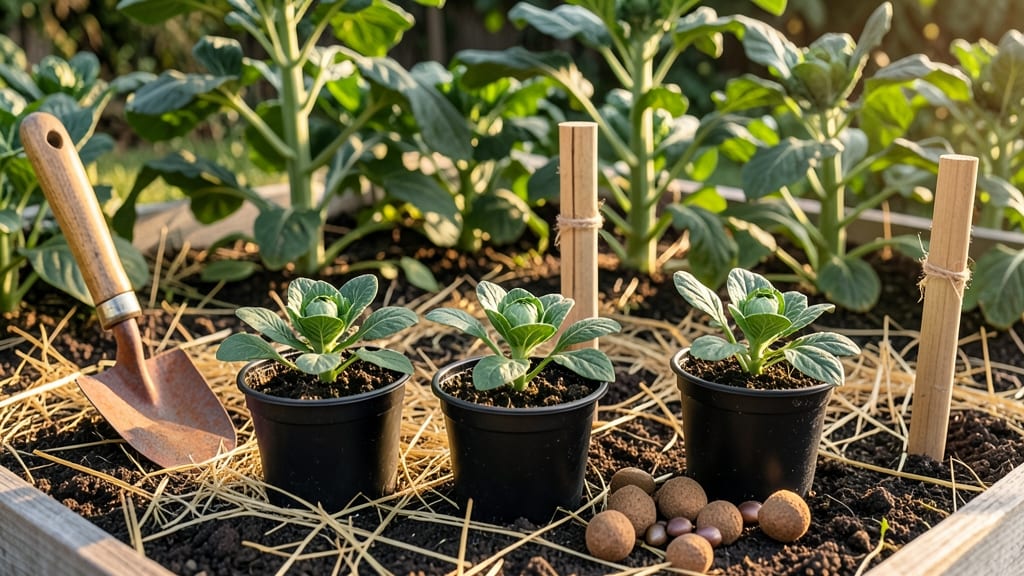
Planting brussel sprouts in Wisconsin at the wrong time means either bolting before harvest or freezing before they mature—both are heartbreaking for gardeners. The key to success lies in understanding your local frost dates and soil temperatures, which can vary dramatically between northern and southern parts of the state.
I’ve learned the hard way that timing isn’t just about the calendar—it’s about the soil’s readiness. For most Wisconsin gardeners, the ideal window opens in late April to early May for spring planting, but fall plantings in August can also yield a second harvest.
The trick is starting seeds indoors 6-8 weeks before the last frost or direct-sowing when soil hits 45°F.
Whether you’re in Madison’s Zone 5 or Green Bay’s Zone 4, adjustments are crucial. Northern Wisconsin’s shorter season demands earlier starts, while southern areas can push fall plantings later.
I’ll break down the exact math so you can avoid common pitfalls—like transplant shock or missed harvests—and get the most out of your 🌱 brussel sprouts.
Ready to master the timing? Let’s dive into the step-by-step approach that’s worked for me—and hundreds of Wisconsin gardeners like you—to guarantee a bumper crop without the guesswork.
Wisconsin’s ideal planting windows for brussel sprouts (with frost-date math)
Brussel sprouts are one of my favorite cool-season crops to grow in Wisconsin because they thrive in temperatures between 50°F and 75°F. But timing is everything—plant too early, and you risk bolting (flowering prematurely); plant too late, and frost will ruin your harvest.
Wisconsin’s average last frost dates (April 15–May 15) and first frost dates (September 15–October 15) create two perfect windows for success.
The key is understanding your local frost dates and soil temperature thresholds. Brussel sprouts need soil temperatures above 40°F to germinate and consistent cool weather to mature.
Using Wisconsin’s climate zones, I’ve broken down the exact windows for both spring and fall planting—plus how to adjust for your specific location.
Here’s the math: Start counting from your average last frost date (subtract 90 days for spring planting) and your average first frost date (add 90 days for fall planting). This ensures your sprouts mature before winter sets in.
For example, in Madison, where the last frost is around May 1, I aim to plant in late April for a late September harvest.
| Planting Window | Wisconsin Region | Soil Temp Threshold | Planting Date Range | Harvest Window |
|---|---|---|---|---|
| Spring | Southern WI (Milwaukee, Madison) | 40°F+ | Late April–Early May | Late September–Early October |
| Spring | Northern WI (Green Bay, Eau Claire) | 40°F+ | Early May–Mid-May | Mid-September–Late September |
| Fall | Southern WI (Milwaukee, Madison) | 50°F+ | Mid-July–Early August | October–November |
| Fall | Northern WI (Green Bay, Eau Claire) | 50°F+ | Late July–Mid-August | September–October |
Adjust dates 1–2 weeks earlier for early varieties or later for slow-growing types.
For spring planting, I recommend starting seeds indoors 6–8 weeks before your last frost date to give them a head start. Transplant seedlings outdoors when soil temperatures hit 40°F and nighttime temps stay above 45°F.
In Wisconsin’s Zone 4 and 5, this usually lands in late April to early May for southern regions and early to mid-May for northern areas.
Fall planting is my favorite because it avoids the bolting risk of spring. Seed directly into the garden 8–10 weeks before your first frost, typically mid-July to early August in southern Wisconsin and late July to mid-August in the north.
This gives your sprouts enough time to mature before winter sets in, often producing sweeter flavors due to cooler fall temperatures.
Pro tip: Use row covers or black plastic mulch to warm the soil faster in spring or extend the season in fall. I’ve had great success with Landraces or Long Island Improved varieties—they’re bolt-resistant and perfect for Wisconsin’s climate.
Always space plants 18–24 inches apart to allow for airflow and prevent disease.
If you’re unsure about your local frost dates, check the Wisconsin State Climatology Office or use the USDA Plant Hardiness Zone Map. For example, Madison (Zone 5a) has a longer growing season than Green Bay (Zone 4b), so adjust your dates accordingly.
The goal is to avoid extreme heat or cold—brussel sprouts hate both!
One common mistake I see is planting too early in spring and getting bolted sprouts. To prevent this, I always harden off seedlings for 7–10 days before transplanting and use shade cloth if daytime temps exceed 75°F. For fall plantings, prioritize well-draining soil to prevent waterlogging before frost.
Finally, don’t forget about succession planting! In Wisconsin, you can often squeeze in two harvests per year—one from spring plantings and another from fall. Just stagger your plantings by 2–3 weeks for a continuous supply of fresh sprouts straight from your garden.
How to adjust planting dates for Wisconsin’s microclimates (north vs. south)
Wisconsin’s USDA hardiness zones range from Zone 3 in the north (Green Bay) to Zone 6 in the south (Milwaukee), creating dramatic differences in frost dates. These variations mean your brussel sprouts planting window could shift by 3-4 weeks depending on where you live.
For example, Green Bay’s last frost typically arrives by May 15, while Madison’s often waits until May 25.
Southern Wisconsin (Zones 5-6) enjoys a longer growing season, allowing for fall plantings as late as August 15 in Milwaukee. Meanwhile, northern areas like Zone 4’s Wausau must finish spring plantings by June 1 to avoid bolting.
The USDA zone map is your first tool—pair it with local frost date averages for precision.
🌱
| Region/City | USDA Zone | Spring Planting Window | Fall Planting Window | Key Adjustment |
|---|---|---|---|---|
| Northern WI (Green Bay, Wausau) | Zone 3-4 | April 20 - May 10 | July 15 - August 1 | Start seeds indoors 8 weeks early |
| Central WI (Madison, Stevens Point) | Zone 4-5 | April 25 - May 15 | July 20 - August 10 | Direct sow after May 10 soil warmth |
| Southern WI (Milwaukee, Kenosha) | Zone 5-6 | May 1 - May 20 | July 25 - August 15 | Fall plantings can extend to September harvests |
For city-specific precision, check your local cooperative extension office—they provide updated frost dates annually. For example, my Milwaukee garden consistently gets a 2-week extension in fall compared to Green Bay’s.
I once planted brussel sprouts in early August in Milwaukee and harvested until October 15, while a friend in Wausau’s August planting froze by September 20.
Use soil thermometers to confirm readiness—brussel sprouts need 45°F minimum. In northern zones, I’ve used black plastic mulch to warm soil earlier, while southern gardeners can push fall plantings later by using row covers for frost protection. Both strategies buy you 2-3 extra weeks of growing time.
Remember: Northern Wisconsin’s shorter season demands earlier starts, while southern areas’ extended fall allows for succession plantings. The key is calculating backward from your first frost date—subtract 90 days for maturity and add 2 weeks for safety. This math ensures your brussel sprouts mature before winter sets in.
🌿