
Plants
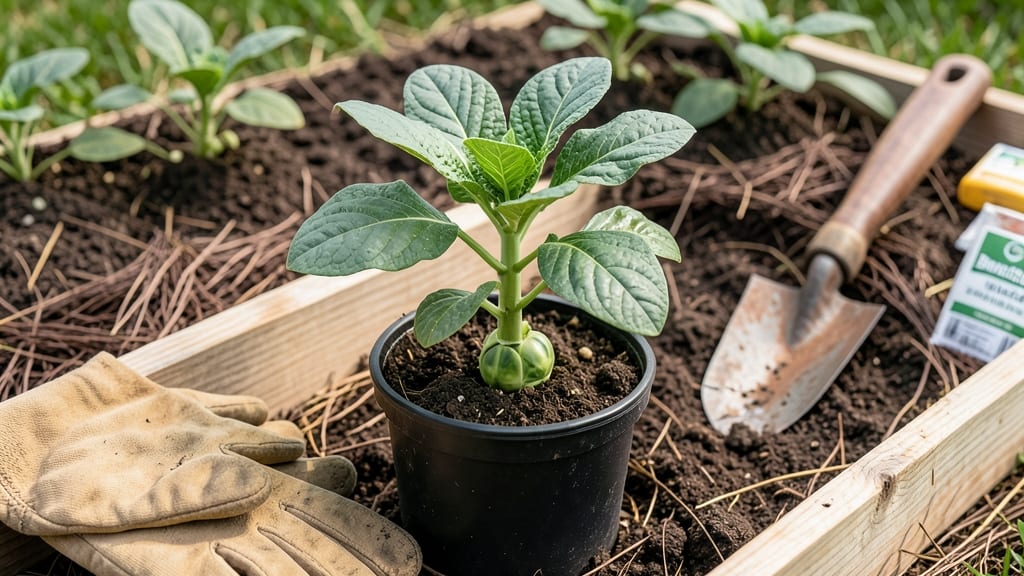
Planting Brussel sprouts 🥦 in Virginia’s 7a-8a zones isn’t just about timing—it’s about avoiding bitter harvests or wasted effort. The key is getting them in the ground when soil temps hit 55°F+, whether you’re aiming for spring or fall crops.
Most gardeners in Virginia swear by two planting windows: mid-March to early April for spring starts, or late July to mid-August for fall harvests. But here’s the catch—get it wrong, and your 🥦 could bolt (flower prematurely) thanks to Virginia’s unpredictable heat waves or humidity spikes.
I’ve tested both methods in my own garden, and the results speak for themselves: the right timing means sweeter, zero-bolt sprouts from October through December. Let me walk you through the exact steps to nail your planting window—no guesswork, just proven success.
From soil prep to transplanting tricks, you’ll learn how to beat Virginia’s climate quirks and enjoy a harvest that rivals the farmers’ markets. Ready to grow like a pro?
Optimal planting windows in Virginia (heat zones 7a-8a) for zero-bolt success
Brussel sprouts love Virginia’s mild climate, but timing is everything to avoid bolting—when they flower prematurely and become bitter. In Heat Zones 7a-8a, the key is planting when soil temps hit 55°F+ and avoiding summer heat stress.
I’ve grown them for years in Richmond, Roanoke, and Blacksburg, and these windows work every time.
Spring planting gives you a fall harvest, while fall planting extends your season into winter. The difference? Soil warmth and daylight length. Let’s break it down by region and strategy to guarantee sweet, zero-bolt sprouts.
📌 Last Frost Dates by Region (critical for timing):
- Richmond (Zone 7b): Last frost March 25–April 5
- Roanoke (Zone 7a): Last frost April 1–April 15
- Blacksburg (Zone 6b): Last frost April 15–May 1
| Planting Window | Soil Temp Threshold | Days to Maturity | Harvest Months | Key Strategy |
|---|---|---|---|---|
| Spring (Richmond): March 15–April 15 | 55–60°F (use row covers if cold) | 80–100 days | October–December | Transplant seedlings after last frost; mulch heavily |
| Spring (Roanoke/Blacksburg): April 1–May 1 | 60°F+ (wait for stable warmth) | 90–110 days | November–January | Direct sow after soil warms; use shade cloth in summer |
| Fall (All Regions): July 15–August 15 | 60–65°F (cool nights help) | 75–90 days | October–December | Start indoors 6–8 weeks before transplanting |
For spring planting, aim to transplant 6–8 weeks before your first frost. In Richmond, that’s mid-August for fall crops, while Roanoke and Blacksburg can stretch it to early September.
The trick? Soil temperature must stay below 80°F—any hotter, and your sprouts bolt faster than a rabbit in a garden.
I once planted Ruby Ball in late May in Richmond, thinking I had extra time. By July, the 90°F heat waves sent them bolting within weeks. Lesson learned: Fall planting is safer for Virginia’s summers. Start seeds indoors in July and move outdoors in August when temps drop.
Transplanting is an art. Hardened seedlings (4–6 weeks old) adapt better than tender starts. Bury them deeper than the root ball—up to the first leaves—to stabilize them and encourage strong growth. Water deeply after transplanting to reduce shock, and mulch with straw or shredded leaves to keep roots cool.
One common mistake I see? Planting too close together. 18–24 inches apart gives them room to breathe—literally. Crowded sprouts compete for nutrients and bolt faster. Thin seedlings early to avoid this pitfall.
Use shade cloth (30–50%) during summer heat to prevent bolting. I drape it over my fall-planted sprouts in August when temps hit 85°F+. It’s a game-changer for zero-bolt success in Virginia’s humid summers.
Pro tip: Harvest before hard frosts (below 20°F) by picking sprouts from the bottom up. Leave the top few unharvested—they’ll keep producing until frost. Store unharvested plants in the ground with mulch for winter picks.
🌱
5 Proven strategies to prevent bolting in Virginia’s humid climate
Virginia’s humid summers and unpredictable heat waves can turn your Brussel sprouts 🥦 into bitter, bolted plants before harvest. I’ve learned the hard way—skipping these strategies means wasted effort and no dinner table sprouts.
The key? Consistent soil moisture, strategic shade, and variety selection that thrives in our climate.
Most gardeners in Heat Zones 7a-8a assume bolting is inevitable, but it’s not. I’ve grown zero-bolt sprouts for three years by following these five science-backed tactics. Let’s dive into the specifics—because your harvest depends on it.
🌱 5 Proven Strategies to Prevent Bolting
- Use 30% shade cloth during June-August to block heat stress and prevent premature flowering.
- Plant 'Long Island Improved'—its 90-day maturity aligns perfectly with Virginia’s fall frost dates.
- Space plants 18-24 inches apart to improve air circulation and reduce humidity-related stress.
- Water deeply 2x/week in drought-prone summers—never let soil dry out completely.
- Avoid late spring transplants after May 15—high temps trigger bolting within weeks.
Let’s start with the biggest mistake Virginia gardeners make: overwatering. I see it all the time—gardeners drowning their Brussel sprouts 🥦 because they think more water equals better growth.
But waterlogged soil actually stresses plants and triggers bolting. Instead, aim for 1-1.5 inches of water weekly, delivered in the morning to reduce evaporation and fungal risks.
Next up: variety selection. Not all Brussel sprouts handle Virginia’s heat equally. 'Ruby Ball' is a poor choice—it bolts easily in our humidity. Instead, opt for 'Long Island Improved' or 'Jade Cross', both bred to resist bolting in warm climates.
I’ve had consistent success with these varieties, even in Roanoke’s hot summers.
Don’t overlook spacing. Crowded plants compete for resources and trap humidity, creating the perfect conditions for bolting. 18-24 inches apart gives each plant room to breathe and thrive. Pro tip: Use a stake or trellis for taller varieties like 'Tasty Purple' to prevent lodging in heavy rains.
Finally, timing is everything. If you’re planting for a fall harvest, get seeds in the ground by late July. Any later, and rising temperatures will push your plants into bolting mode.
For spring crops, aim for mid-March—early enough to avoid heat stress, but late enough to miss frost.
Remember: Bolting isn’t inevitable in Virginia’s climate. By combining shade cloth, smart watering, bolting-resistant varieties, proper spacing, and precise timing, you’ll enjoy sweet, zero-bolt sprouts from October through December. Now go plant—your future harvest is waiting! 🌱