
Plants
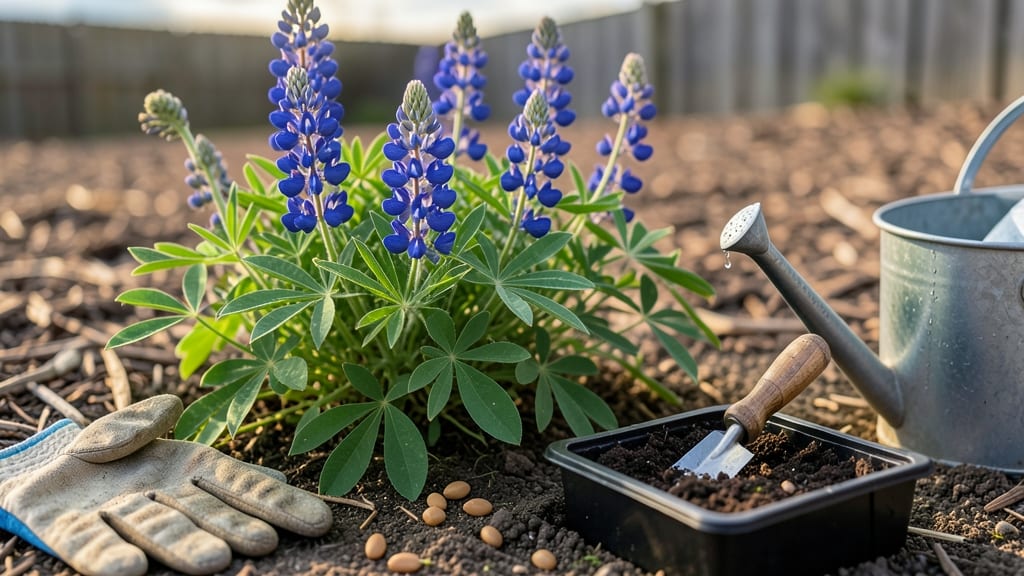
Planting bluebonnet seeds at the wrong time in South Texas can leave you staring at bare soil come spring—no matter how much you love that iconic 🌸 purple carpet.
The key to success isn't luck; it's knowing exactly when to sow those seeds so they germinate strong and bloom vibrantly by March.
Fall is your golden window—specifically September through November—when South Texas's soil stays warm enough for seeds to sprout without racing ahead before winter. But here's the catch: timing varies slightly depending on whether you're in the Hill Country or near the Gulf Coast, where humidity and frost patterns shift.
I'll break down the exact months that work best in your region, plus pro tips for overcoming South Texas challenges like clay soil and unpredictable rains. Skip the guesswork and learn how to give your bluebonnets the perfect start for a show-stopping spring display.
Once you master this timing, you'll not only get those dreamy blooms but also support local pollinators and drought-resistant landscaping—all while working with nature, not against it. Let's get those seeds in the ground the right way.
Best months to plant bluebonnet seeds in South Texas for spring blooms
Bluebonnets (Lupinus texensis) thrive in South Texas when planted during the cool fall months—a perfect balance between summer heat and winter frost. The ideal window spans from September through November, when soil temperatures hover between 60°F and 75°F, encouraging strong root development before dormancy.
This timing ensures vibrant spring blooms that carpet your landscape in Texas blue by March.
South Texas’s USDA Zones 9a-10a offer a unique advantage: minimal frost risk compared to North Texas. However, late December plantings near the Rio Grande Valley may still face occasional cold snaps, while Hill Country areas require earlier sowing to avoid January frost. Understanding these microclimates is key to success.
Soil temperature is your best indicator—wait until it drops below 90°F after summer’s peak. Use a soil thermometer to confirm: 60°F+ triggers germination, while below 50°F risks seed rot. In South Texas heat, this typically aligns with mid-September.
| Planting Window | Soil Temp (°F) | Frost Risk | Best For |
|---|---|---|---|
| Late August - Early September | 85-90°F | Low (post-summer) | Early bloomers (Rio Grande Valley) |
| September - October | 60-75°F | Minimal | Optimal for all regions |
| November | 50-60°F | Moderate (Hill Country) | Late winter blooms (if mild) |
| December | Below 50°F | High (avoid) | Risky (except Valley) |
In South Texas’s dry climate, bluebonnets rely on natural rainfall after planting. Aim for 1-2 inches of moisture in the top 6 inches of soil before sowing.
If drought persists, supplement with deep watering (1 inch per week) until germination (10-14 days). Overwatering is worse—it causes seed rot in the humid September air.
Seed stratification mimics winter’s natural chill, breaking dormancy for faster sprouts. For South Texas gardeners, skip cold treatment: our mild winters (average lows of 40°F) provide enough chill. Instead, scarify seeds lightly with sandpaper or a file to weaken their tough coats. This trick works especially well for August plantings in the Valley.
Adjust your timing based on local microclimates. The Hill Country (e.g., San Antonio) should plant by mid-October to avoid December frost, while the Valley (e.g., Brownsville) can extend to early November.
Check your last frost date: January 15 is the cutoff for most areas, but elevated regions like Edwards Plateau may see frost earlier.
Pro tip: Mulch lightly with straw or pine needles after planting to retain moisture and regulate soil temps. Avoid thick mulch—bluebonnets hate compacted soil. In clay-heavy areas (common in South Texas), amend with compost to improve drainage.
This prep work pays off with healthier seedlings and longer bloom seasons.
Remember, bluebonnets are native wildflowers adapted to South Texas’s harsh conditions. Their drought tolerance and low-maintenance nature make them perfect for xeriscaping. By planting in fall, you’re not just chasing pretty blooms—you’re supporting local pollinators like monarch butterflies and native bees.
For maximum impact, sow seeds sparingly—they self-seed aggressively. Aim for 1/4 lb per 1,000 sqft and let nature take over. With the right timing, your South Texas landscape will burst into blue hues by spring, turning heads and attracting wildlife alike. 🌸
South Texas bluebonnet planting calendar: month-by-month guide
Bluebonnets thrive in South Texas when planted during the cool fall months, but the exact timing depends on your region.
The Hill Country’s cooler nights and Gulf Coast’s lingering summer heat create different ideal windows. September through November is your core planting window, but let’s break it down by month to maximize germination success.
Your first step is seed stratification—mimicking winter’s natural chilling process. Place seeds in a damp paper towel, refrigerate for 4-6 weeks, then sow them.
This trick works wonders in our unpredictable climate, ensuring seeds break dormancy at the right time. Skip this step, and you’ll likely see poor germination.
📅 Month-by-Month Bluebonnet Planting Guide for South Texas
- August (Early Prep): 🌱 Collect mature seeds from dried pods. Stratify seeds now to plant in early September. Avoid sowing directly—wait for soil temps to drop below 90°F.
- September (Best Start): 🌿 Ideal for Hill Country. Scatter seeds on well-drained soil after rains or irrigation. Lightly rake to cover—no burial needed. Keep soil moist but not soggy.
- October (Peak Time): ☀️ Perfect for Gulf Coast regions. Seeds benefit from cooler nights (60-70°F). Plant after first frost risk passes (usually mid-October). Mulch lightly to retain moisture.
- November (Last Chance): 🌡️ Only for northern South Texas (e.g., San Antonio). Soil temps should stay above 50°F at night. Plant before December 1 to avoid winter dormancy issues.
- December (Risky): ⚠️ Possible in Rio Grande Valley only. Use a cloche or row cover to protect seedlings. Frost can kill young sprouts—monitor forecasts closely.
Moisture management is critical in South Texas’s clay-heavy soils. After planting, water deeply once weekly unless rains intervene. Bluebonnets hate soggy roots but need consistent moisture to establish. Drip irrigation works best—it delivers water directly to roots without wetting foliage, reducing fungal risks.
Regional adjustments matter: Hill Country gardeners can plant 2 weeks earlier than Gulf Coast growers. The Rio Grande Valley’s warmer microclimate allows December sowings, but only with frost protection. Test your soil’s drainage first—bluebonnets refuse to grow in compacted clay. Amend with compost or sand if needed.
By following this calendar, your bluebonnets will bloom reliably in March, attracting pollinators and adding that signature Texas purple to your landscape. The key? Plant early, stratify seeds, and adjust for your microclimate. Skip the guesswork—your future spring blooms will thank you.