
How To
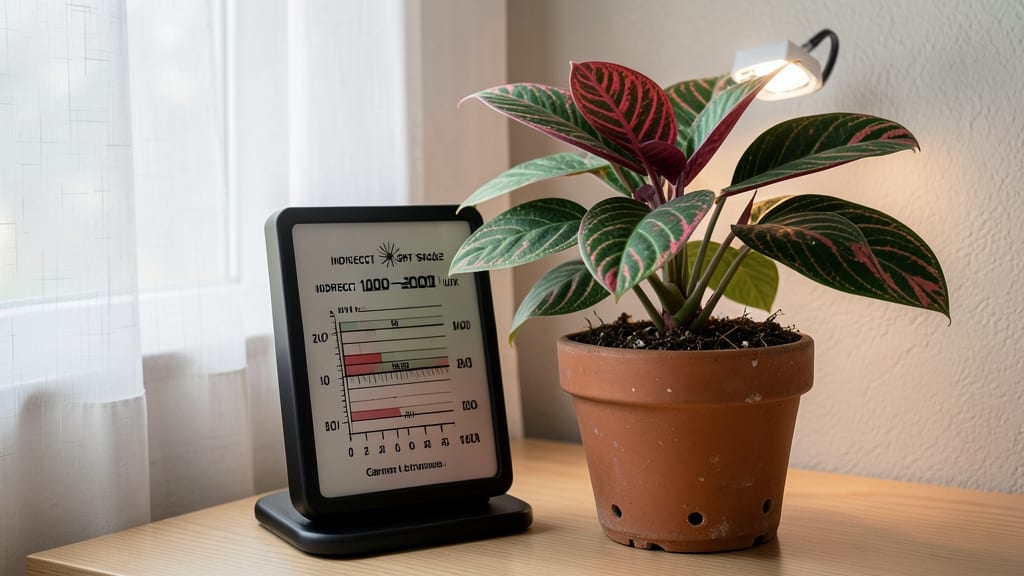
If your Prayer Plant 🌿 leaves are drooping or losing their stunning patterns, you might be getting the light wrong—this plant needs bright indirect light to truly thrive, and too much or too little can make all the difference.
Picture this: your Prayer Plant perched near a window, its leaves unfurling like tiny prayer hands at dawn. That’s not just cute—it’s a sign your plant is happy with its light conditions. But get it wrong, and those beautiful foliage patterns fade or crisp at the edges.
The key is finding that sweet spot where your plant gets enough light to stay vibrant without getting sunburned.
You don’t need a greenhouse to nail this. Whether you’re dealing with a dim corner or a south-facing window, I’ll show you exactly where to place your Prayer Plant for optimal growth—plus how to spot the warning signs before they become problems. Let’s get those leaves flourishing again!
From east-facing windows to grow lights, we’ll cover all the practical tips so your Prayer Plant stays lush and healthy year-round. No guesswork, just results—because your plant deserves the best care possible.
 Best Window Placement
Ideal light requirements for prayer plant growth and leaf patterns
The prayer plant (Maranta leuconeura) thrives in bright indirect light, mimicking its native understory habitat. Too much direct sun causes leaf scorch, while insufficient light dulls its iconic variegation.
Aim for 4-6 hours of filtered sunlight daily—think of a dappled forest floor rather than harsh midday rays.
This plant’s foliage patterns (like the red veins on 'Kerchoveana') develop best under moderate light intensity. In low light, leaves lose their vibrant coloration, while too much sun bleaches them white or browns the edges. The key is consistent brightness without direct exposure.
🌿
| Light Condition | Effect on Prayer Plant | Leaf Response |
|---|---|---|
| Bright Indirect Light | Optimal growth, vibrant variegation | Upright, glossy leaves with bold patterns |
| Low Light (<30%) | Stunted growth, pale leaves | Dull green, lost variegation, leggy stems |
| Direct Sun (Afternoon) | Leaf burn, stress | Brown crispy edges, bleached patches |
| Morning Sun (1-2 hrs) | Tolerated, minimal risk | Minor yellowing if overdone |
For variegated varieties like 'White Raspberry', bright indirect light enhances their cream and pink hues. Place your plant 2-3 feet from an east-facing window—this provides gentle morning sun without harsh afternoon rays. If using a south-facing window, add a sheer curtain to diffuse the light.
In low-light conditions, supplement with a grow light (12-14 hours/day) to prevent etiolation—the leggy, weak growth caused by stretching toward light. A full-spectrum LED bulb placed 12 inches above the plant mimics natural sunlight effectively.
🪴
Your prayer plant’s leaves fold upward at night (a natural movement called nyctinasty), but they should unfold fully by morning under proper light. If they stay closed or appear limp, it’s a sign of light deprivation or overwatering.
Rotate the pot quarter-turn weekly to ensure even light exposure and prevent lopsided growth.
During winter months, natural light weakens, so move your plant closer to a window or extend grow light hours to 14-16 hours/day. Avoid placing it near drafty windows—temperature fluctuations stress the plant, compounding light-related issues.
🌡️
Pro tip: Test your light conditions by observing your plant’s leaf elevation. Healthy prayer plants have leaves that stand upright during the day and fold at night. If leaves stay flat or droop, it’s time to adjust light exposure or check for root rot from overwatering.
💡
Signs of overlighting vs. underlighting (and how to Fix them)
Your prayer plant (Maranta leuconeura) communicates its light needs through subtle (and sometimes dramatic) visual cues. Brown crispy edges or bleached white patches on leaves scream "too much sun," while pale, stretched leaves and limp stems signal desperate need for more light.
These symptoms often get confused with nutrient deficiencies or pests, but light stress has distinct patterns.
First, let’s distinguish between the two extremes. Overlighting causes immediate damage—think sunburn on your skin but for foliage. Underlighting, however, leads to slow decline: leaves lose their vibrant purple-veined patterns, grow weak, and eventually droop.
Both conditions require different fixes, so accurate diagnosis is key to saving your plant.
🌿 PROS-CONS-BOX: Overlighting vs. Underlighting Fixes
OVERLIGHTING
- Signs: Brown crispy edges
- Bleached white patches
- Yellowing between veins
Fix:
- Move to east-facing window
- Use sheer curtain for filter
- Rotate plant quarter-turn weekly
UNDERLIGHTING
- Signs: Pale, stretched leaves
- Limp, weak stems
- Loss of variegation
Fix:
- Place near bright indirect light
- Use grow light 6-8 inches away
- Fertilize with balanced 10-10-10
For overlighted prayer plants, immediate action prevents permanent damage. Move your plant to a spot with bright indirect light—like 2-3 feet from an east-facing window. If you’ve already tried that, add a sheer curtain to diffuse harsh afternoon rays.
I’ve saved many scorched plants this way by simply rotating them quarter-turn weekly to ensure even light exposure.
When dealing with underlighting, patience is key. These plants often need 4-6 hours of bright indirect light daily, so supplement with a LED grow light (12-14 hours/day) if natural light is insufficient.
A south-facing window with sheer fabric works too, but avoid direct midday sun. I’ve noticed underlit prayer plants perk up within 2-3 weeks of proper light adjustment.
One common mistake is assuming yellow leaves always mean overwatering. Check the pattern: Yellowing between veins from light stress looks different from yellowing at leaf tips (a watering issue). Keep a plant journal to track symptoms—it’s a game-changer for diagnosing light problems accurately.
Remember, prayer plants are tropical understory dwellers, so they’re adapted to dappled sunlight. Mimic their natural habitat by avoiding direct afternoon sun and providing humidity levels above 50%.
With the right light balance, your plant’s iconic purple veins will stay vibrant, and those prayer-like leaves will fold beautifully at night.