
Plants
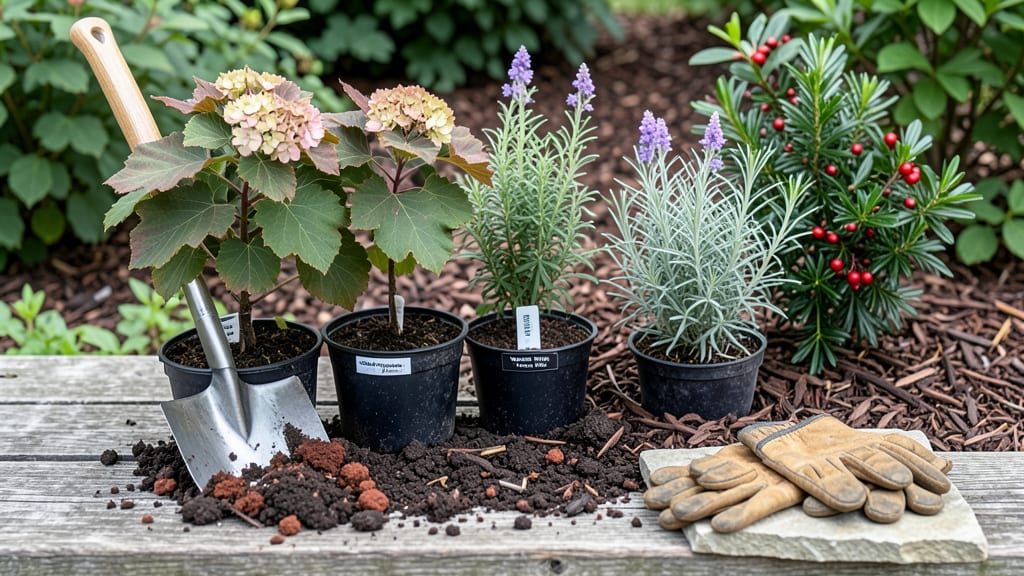
Planting bushes in Texas isn't just about grabbing a shovel and digging—it's about beating the heat and avoiding the frost that can turn your green thumb into a sad story. If you've ever watched your hard work wither under 100-degree sun or freeze overnight, you know timing is everything.
Texas gardeners face a unique challenge: the state spans 11 heat zones, each with its own frost dates and summer intensity. Whether you're in Zone 8a or 10b, planting too early risks a late freeze, while waiting too long stresses young bushes in the brutal summer heat.
Here’s the game-changer: the exact windows to plant for zero frost risk—whether you’re adding Texas Sage, Crape Myrtle, or Yaupon Holly. I’ll break down the best months for your region, plus pro tips to keep your bushes thriving year-round.
Ready to stop guessing and start growing? Let’s dive into the perfect planting schedule tailored for Texas bushes—so you can enjoy lush greenery without the stress.
Texas heat zones explained: best planting months by region
Texas spans 11 heat zones (A-K), each with unique frost dates and summer intensity that dictate when to plant bushes. Zone A (North Texas) faces harsh winters with late frosts, while Zone K (South Texas) battles relentless summer heat. Understanding your zone ensures bushes thrive—not just survive.
Most Texas gardeners focus on fall (September-November) or early spring (February-March) planting. Fall gives roots time to establish before winter, while spring avoids summer stress. But Zone C (Central Texas) can plant until December 15, while Zone J (West Texas) must finish by November 1.
Evergreen bushes like Yaupon Holly need cooler soil temps (60°F+) for root growth, while Crape Myrtle tolerates 85°F+ but struggles in Zone A winters. Deciduous types (e.g., Texas Mountain Laurel) prefer spring planting to avoid winter dieback.
Soil temperature is your secret weapon. Use a soil thermometer—aim for 60-65°F for most bushes. In Zone B (East Texas), soil hits this by mid-February, while Zone I (Panhandle) waits until April.
Here’s your heat-zone planting cheat sheet for evergreen, deciduous, and flowering bushes, accounting for frost risk and summer heat tolerance:
| Heat Zone | Evergreen Bushes | Deciduous Bushes | Flowering Bushes | Critical Notes |
|---|---|---|---|---|
| A (North) | Sep 15–Nov 15 | Feb 15–Mar 15 | Feb 1–Mar 15 | Late frosts (Dec 15–Jan 15); mulch heavily. |
| B (East) | Sep 1–Nov 30 | Feb 1–Apr 1 | Jan 15–Mar 15 | Humidity risks fungal disease; space plants. |
| C (Central) | Aug 15–Dec 15 | Feb 15–Apr 15 | Jan 1–Mar 31 | Extreme heat (100°F+); water deeply. |
| D (Hill Country) | Sep 1–Nov 30 | Feb 15–Mar 30 | Jan 15–Mar 15 | Calcareous soil; amend with compost. |
| E–K (South/West) | Aug 1–Nov 1 | Feb 1–Mar 15 | Dec 15–Feb 15 | Drought-prone; group plants for shade. |
For Zone A gardeners, prioritize heat-tolerant evergreens like Wax Myrtle or Dwarf Yaupon Holly. These handle Zone A’s 250 frost-free days and 100°F summers. In Zone K, opt for Texas Sage or Turk’s Cap—both thrive with 365 frost-free days and minimal water.
Pro tip: Container planting extends your window. Pots warm faster in spring, letting you plant 2-4 weeks earlier than in-ground. Just ensure containers have drainage holes and use lightweight potting mix to avoid overheating.
Watch for soil moisture after planting. New bushes need 1-2 gallons of water weekly (deep soak, not frequent shallow watering). In Zone C’s 100°F+ heat, mulch with 2-3 inches of shredded bark to retain moisture and regulate soil temp.
Remember: Flowering bushes (e.g., Crape Myrtle) planted in fall often bloom earlier
Critical planting mistakes Texas gardeners make (and how to avoid them)
Even experienced Texas gardeners make costly mistakes when planting bushes—especially when it comes to timing and soil prep. One common error is planting too late in Zone C, where summer heat can bake young roots before they establish.
I’ve seen crape myrtles wilt within weeks because they were planted in May instead of September.
Another frequent mistake is ignoring clay-heavy soils common in East Texas. Without amending the soil, bushes like Texas Sage struggle to absorb water, leading to root rot. Always test your soil’s drainage—if water pools after 6 hours, mix in compost or sand before planting.
Here’s the visual breakdown of the top 3 mistakes and how to fix them:
⚠️ Common Mistakes & Fixes
- Planting in Peak Heat: Avoid April-July for most bushes. Solution: Stick to fall (Sept-Nov) or early spring (Feb-Mar).
- Skipping Soil Prep: Clay or compacted soil strangles roots. Solution: Add organic matter (compost, peat moss) and till 12 inches deep.
- Choosing Wrong Varieties: Planting azaleas in West Texas (Zone 8b+) fails—they need acidic soil and shade. Solution: Opt for drought-tolerant bushes like Yaupon Holly or Texas Mountain Laurel.
West Texas gardeners often overlook wind exposure, which can dry out young bushes faster than heat alone. If you’re in Zone 8b-10b, group bushes together to create a windbreak or use mulch to retain moisture.
I once lost a batch of Mexican Feather Grass plants because they were planted in an open, windy area—adding a burlap barrier saved the next batch.
One of the sneakiest mistakes? Overwatering new plants. While young bushes need consistent moisture, daily watering can suffocate roots. Instead, water deeply every 3-5 days to encourage deep root growth. Use a moisture meter to check soil levels—aim for 60% moisture in the top 6 inches.
Finally, many gardeners forget to prune dead foliage before planting. Leaving old leaves can trap disease or pests. Always remove yellowing or wilted branches and sterilize pruners with rubbing alcohol to prevent contamination. This simple step can mean the difference between a thriving bush and one struggling from the start.
By avoiding these pitfalls, your bushes will establish faster, resist Texas heat better, and reward you with vibrant blooms year after year. 🌿