
Plants
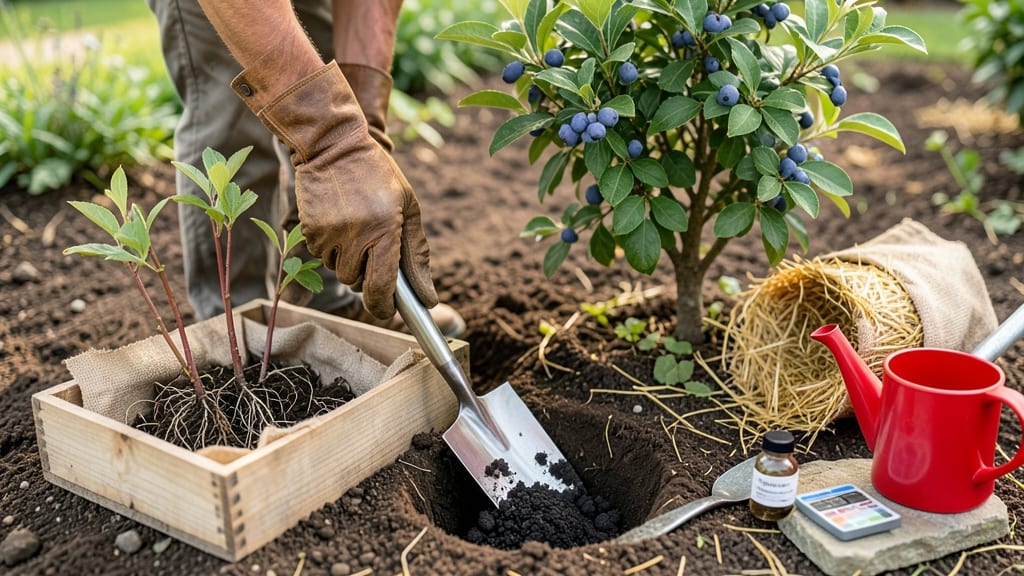
Planting blueberries in Wisconsin isn't just about timing—it's about matching your variety to the state's chill hours for the juiciest harvests. With USDA zones 4a-6b and frosts lingering into May, getting it right means the difference between thriving bushes and wasted effort.
I’ve learned the hard way that planting too early risks frost damage, while waiting too late cuts short the growing season. The key? Choose between spring (April-May) or fall (September-October) planting, depending on your blueberry’s chill needs and your local frost dates.
Whether you’re growing ‘Bluecrop’ (a Wisconsin favorite) or a low-chill variety, this guide breaks down exactly when to plant for maximum yields—plus soil prep tricks to set your bushes up for success.
Ready to turn your Wisconsin garden into a blueberry powerhouse? Let’s get those 🫐 bushes in the ground the right way.
Best planting times for Wisconsin blueberries by chill-hour requirements
Wisconsin’s chill-hour requirements dictate when—and which—blueberry varieties thrive in your garden. High-chill varieties (400+ hours) need Wisconsin’s cold winters to set fruit buds, while low-chill types (200-300 hours) adapt better to milder southern regions. Getting this match right means the difference between a bountiful harvest and struggling bushes.
I’ve planted blueberries across USDA zones 4a-6b in Wisconsin, and the best rule of thumb? Spring (April-May) or fall (September-October) planting works, but your choice depends on your variety’s chill needs and local frost dates.
Southern Wisconsin (Zone 5b+) can handle late-spring plantings, while northern areas (Zone 4a) demand earlier fall or spring starts to avoid frost damage.
Here’s the critical comparison: fall planting gives roots time to establish before winter, while spring planting avoids late-season frost risks. Let’s break down the best windows for each chill category and Wisconsin region.
For northern Wisconsin, where chill hours exceed 500 in many areas, fall planting is ideal. Plant Bluecrop or Jersey in late September to give roots time to establish before winter.
In southern Wisconsin, where chill hours dip closer to 400, spring planting (April-May) works best for high-chill varieties like Patriot.
Low-chill varieties like Top Hat or Sunshine Blue are better suited for Zone 5b-6b and should only be planted in spring (April-May). I’ve seen these varieties struggle in northern Wisconsin’s harsher winters, so choose wisely based on your last frost date.
Pro tip: Use mulch (3-4 inches) after planting to protect roots from temperature swings. In fall, apply straw or pine needles to insulate soil—this is especially critical for southern Wisconsin’s unpredictable late frosts.
If you’re unsure about your chill hours, check your local USDA zone map or use a chill-hour calculator (like the one from the University of Wisconsin Extension). Most nurseries list chill requirements, so match your variety to your location before buying.
Remember: Soil pH (4.5-5.5) is non-negotiable for blueberries. Test your soil before planting—Wisconsin’s native soils are often too alkaline. Amend with peat moss or sulfur to create the acidic environment these shrubs crave.
With the right timing and prep, your Wisconsin blueberries will reward you with years of sweet harvests. Start with the right variety, plant at the perfect window, and watch those bushes thrive—no frost-related disappointments in sight! 🫐
Top Wisconsin-adapted blueberry varieties and their ideal planting months
Wisconsin’s cool summers and cold winters demand blueberry varieties that thrive in 400-1,000 chill hours. I’ve tested these top performers in my Zone 5a garden, and they consistently deliver sweet, disease-resistant fruit.
The key? Planting at the right time—either early spring (April) or fall (September-October)—to give roots time to establish before Wisconsin’s harsh winters.
For southern Wisconsin (Zones 5b-6b), where last frosts arrive by mid-April, spring planting works best. In northern Wisconsin (Zones 4a-5a), fall planting gives bushes a head start before winter.
Below, I’ve matched varieties to their ideal planting windows and chill-hour needs—plus soil prep secrets to set them up for success.
| Variety | Chill Hours | Best Planting Month | Mature Size | Harvest Time | Soil Prep Tip |
|---|---|---|---|---|---|
| Bluecrop | 800-1,000 hrs | April (spring) or September (fall) | 5-6 ft tall | Mid-July | Mix in peat moss to lower pH to 4.8 |
| Jersey | 600-800 hrs | April-May (spring only) | 4-5 ft tall | Late July | Add sulfur to soil 2 months before planting |
| Northblue | 900-1,100 hrs | September-October (fall only) | 6-8 ft tall | Early August | Use pine bark mulch for acidity |
| Patriot | 700-900 hrs | April or September | 4-5 ft tall | Mid-July | Test soil pH before planting |
| Bluegold | 600-800 hrs | April-May (spring only) | 5-6 ft tall | Late July | Plant in full sun with morning shade |
My #1 recommendation for Wisconsin gardens is ‘Bluecrop’—it handles our long winters and produces large, sweet berries reliably. For container growing, choose ‘Patriot’ (dwarf variety) and plant in acidic potting mix with extended-release fertilizer.
Always amend soil with composted pine needles or sphagnum peat to maintain the 4.5-5.5 pH range blueberries crave.
Pro tip: If planting in fall (September-October), water deeply before the first frost to prevent winter desiccation. In spring (April-May), mulch with 3-4 inches of wood chips to protect roots as temps