
Plants
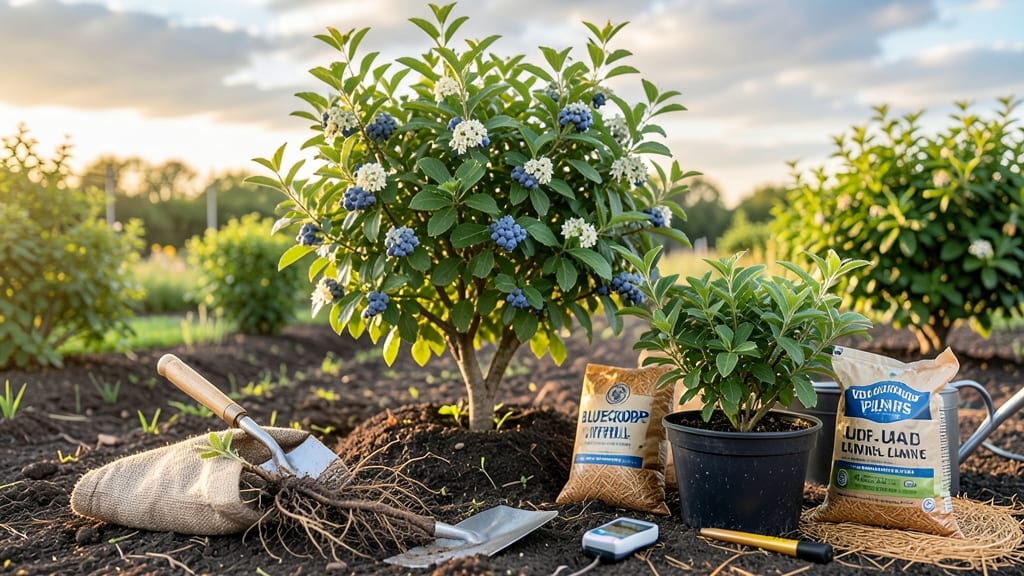
Planting blueberries in Utah isn't just about waiting for spring—it's about timing it perfectly to beat frost and summer heat. With Utah's 5-7 USDA zones and dramatic temperature swings, getting it wrong could mean lost bushes or meager harvests.
The ideal window—late April to early June—balances soil warmth with frost risk, but your exact location matters.
Whether you're in Salt Lake City's urban heat islands or a cooler mountain valley, microclimates shift the rules. Too early, and a late frost could wipe out tender new growth; too late, and your bushes may struggle to establish roots before winter.
I'll break down how to read your local frost dates and adjust planting for maximum success.
You don't need a green thumb to grow Utah blueberries—just the right knowledge. We'll cover soil prep, variety selection, and even container gardening hacks for small spaces. By the end, you'll know exactly when to plant for juicy, homegrown 🫐 harvests every summer.
The key? Planting when the soil is workable but not scorching, and choosing varieties bred to handle Utah's extremes. Let's get your blueberry bushes off to the best possible start.
Utah’s best blueberry planting zones and microclimate timing guide
Utah’s diverse USDA zones (5-8) and dramatic elevation shifts create unique challenges for blueberry growers. In Zone 5 (northern Utah), late frosts linger until mid-May, while Zone 7 (southern Utah) sees frost-free conditions by mid-April.
The Wasatch Front’s urban heat islands also affect microclimates differently than rural high desert areas.
Timing your blueberry planting depends on three key factors: last frost date, soil temperature, and elevation-based microclimates. I’ve grown blueberries in both Salt Lake City and Park City, and the difference in timing is critical—sometimes just two weeks can mean success or failure.
Here’s how to adjust your planting schedule based on Utah’s three major growing regions: high desert valleys, Wasatch Front urban areas, and mountain foothills. Each has distinct frost risks and soil warming patterns that directly impact when you should plant.
| Region | USDA Zone | Last Frost Date | Ideal Planting Window | Soil Temp Requirement | Frost Risk Adjustment |
|---|---|---|---|---|---|
| High Desert (e.g., St. George) | 7-8 | Mid-April | Late March - Early April | 50°F+ | Low (plant early) |
| Wasatch Front (e.g., Salt Lake City) | 6-7 | Mid-May | Late April - Early May | 55°F+ | Moderate (wait for stable temps) |
| Mountain Foothills (e.g., Park City) | 5-6 | Late May | Early June | 60°F+ | High (delay planting) |
For high desert areas like St. George (Zone 7-8), you can plant as early as late March because soils warm quickly and frost risk is minimal.
In contrast, mountain foothills in Zone 5-6 (like Park City) often require waiting until early June to avoid late-spring frosts that can kill young plants.
The Wasatch Front presents its own challenges with urban heat islands that can warm soil faster than rural areas.
I’ve found that planting in late April gives young bushes enough time to establish roots before summer heat arrives, but you must monitor nighttime temperatures—dropping below 32°F can still damage tender new growth.
Elevation plays a surprising role in frost timing. At 4,200 feet (like Salt Lake City), frost typically ends by mid-May, but at 7,000 feet (like Heber Valley), you might see frost as late as June 1st.
Use local Almanac frost charts or weather station data to fine-tune your timing—don’t rely solely on USDA zones.
Another critical factor is soil temperature. Blueberry roots need soil to stay above 50°F for at least 10 days before planting. In cooler zones, use black plastic mulch or straw blankets to warm the soil faster.
I’ve seen 3-4 week differences in soil warming between bare ground and mulched beds.
If you’re planting in containers (common in urban Utah), you have more flexibility. Containers warm up faster than in-ground soil, so you can plant 2-3 weeks earlier than recommended for your zone. Just ensure your pots have drainage holes and use a lightweight, acidic potting mix to prevent compaction.
For bare-root plants, which are popular in Utah nurseries, timing is even more critical. Plant them as soon as the ground is workable (usually 2-3 weeks before your ideal window) to give roots time to establish before summer heat arrives.
In Zone 5, this might mean planting in mid-April despite frost risks.
Remember: blueberries are sensitive to transplant shock, so the sooner they can establish roots, the better. In Utah’s short growing season, every week counts. If you miss your ideal window, consider fall planting (late August) for Zone 6-7 areas—just be prepared for winter protection.
Step-by-step blueberry planting calendar for Utah’s climate
Utah’s short growing season and unpredictable frost patterns demand precise timing when planting blueberries. In Zone 5 areas like northern Utah, late spring is your best window, while Zone 7 regions (like St. George) can plant slightly earlier.
The key is balancing soil warmth with frost risk—aim for when nighttime temperatures stay above 32°F consistently.
For container gardening, you have more flexibility to extend the season, but in-ground plants need well-draining, acidic soil (pH 4.5-5.5) and protection from harsh winds. If you’re in a high-elevation microclimate, like Park City, wait until early June to avoid late frosts that can damage tender roots.
📅 Utah Blueberry Planting Timeline
- March (Zone 7 only): Test soil pH and amend with sulfur or peat moss if needed. Start container plants indoors under grow lights.
- Mid-April (Zone 6-7): Plant bare-root blueberries in well-draining beds. Mulch heavily with pine needles to retain moisture and acidity.
- Late April (Zone 5-6): Container planting begins. Use 5-gallon pots with acidic potting mix. Place in protected sunny spots.
- May (All Zones): Transplant potted plants to final locations. Water deeply after planting to reduce transplant shock.
- June (Zone 5): Last chance for bare-root planting. Monitor for late frosts—cover young plants with frost cloth if needed.
- July-August: Focus on watering (1-2 inches per week) and weed control. Avoid fertilizing to prevent late-season growth.
- September: Apply winter mulch (6 inches of straw) to insulate roots. Prune lightly to shape bushes.
If you’re in Salt Lake City or Provo, aim for late April to early May—this gives your plants time to establish roots before summer heat arrives.
For rural Utah, where nights stay cooler, early June is safer. Always check your local frost-free date (typically May 15 in most areas) to adjust accordingly.
Pro tip: Plant blueberries in groups for cross-pollination. If space is limited, choose self-pollinating varieties like 'Bluecrop' or 'Jersey'. Avoid planting near tomatoes or potatoes, which compete for nutrients.
After planting, monitor for dehydration stress—Utah’s dry air can wilt young plants quickly. Use drip irrigation to deliver water directly to the roots, and avoid overhead watering, which can spread fungal diseases.
With the right timing and care, your blueberry bushes will reward you with juicy harvests in 2-3 years.
Remember, Utah’s microclimates vary dramatically. If you’re unsure about your local frost dates, consult your county extension office or use a frost calendar app to track real-time conditions. Happy planting! 🌱