
Plants
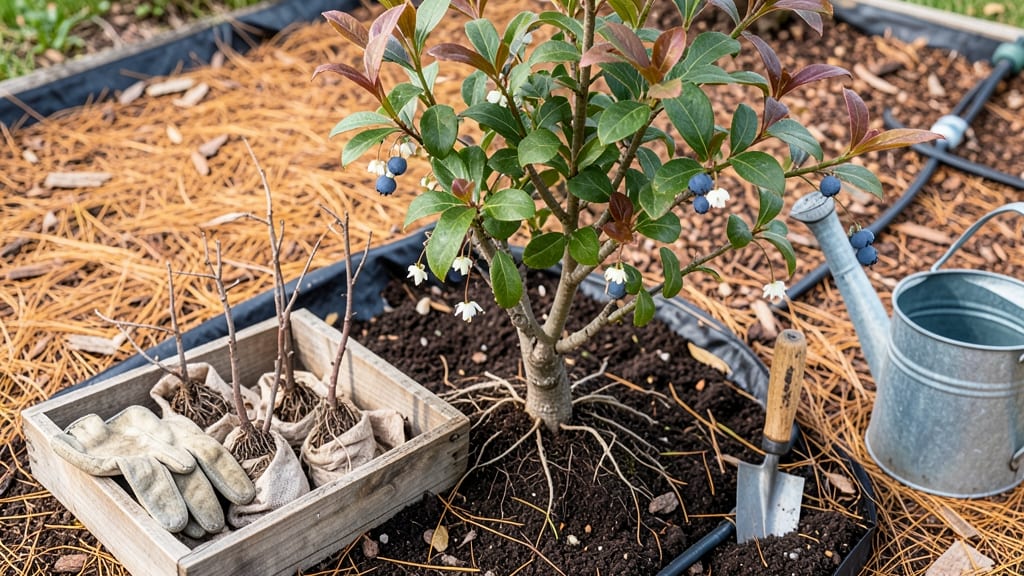
Planting blueberries in Southern California might seem tricky—after all, most guides assume cold winters—but the right timing can actually give you a thriving 🫐 harvest year-round.
Unlike northern climates, SoCal’s frost-free zones (9b-11) let you plant blueberries in two key windows: late fall through early spring (November–March) for the best root establishment, or fall (September–October) for a head start before summer’s heat.
The catch? Your microclimate matters—coastal areas with morning fog stay cooler longer, while inland valleys can hit 90°F by March, stressing young plants.
I’ll break down the exact months to plant based on where you live, plus how to prep soil and protect your shrubs from unexpected cold snaps (yes, they do happen in inland zones!).
Whether you’re growing rabbiteye, southern highbush, or low-chill varieties like ‘Misty,’ the goal is the same: beat the summer dry spell with strong roots.
You’ll learn how to time your planting for maximum growth, which varieties thrive in your specific zone, and pro tips to keep your blueberries lush—even when the rest of SoCal is wilting.
Skip the guesswork and plant with confidence. By the end, you’ll know exactly when to dig in for a harvest that stretches from April through July (or longer, if you’re lucky!). Let’s get those blueberries in the ground the smart way.
Optimal blueberry planting months by Southern California microclimate
Southern California’s diverse microclimates—from coastal fog belts to inland deserts—create unique challenges and opportunities for growing blueberries. Unlike colder regions, SoCal’s USDA Zones 9b-11 allow planting year-round, but the best windows depend on your specific climate zone.
Coastal areas benefit from cooler temperatures, while inland zones demand heat protection and soil moisture retention.
For coastal regions (e.g., Malibu, Santa Barbara), the ideal planting months stretch from November through March, avoiding summer’s intense heat. Inland areas (e.g., Riverside, Lancaster) can plant as early as September-October or late fall to escape 100°F+ heatwaves.
Desert zones (e.g., Palm Springs) require container planting or shaded microclimates for success.
Temperature thresholds are critical: blueberries thrive when soil temps stay between 40°F and 85°F. Coastal zones rarely drop below 50°F, while inland valleys can see rare 35°F cold snaps in December. Frost risk is minimal but exists in inland high deserts, where young plants need row covers for protection.
Soil preparation must happen 4-6 weeks before planting to ensure roots establish before summer. Test your soil’s pH (4.5-5.5)—SoCal’s alkaline soils often need peat moss or sulfur amendments. Mulching with pine bark or wood chips retains moisture and mimics acidic forest floors, which blueberries prefer.
Root establishment is the key to summer survival. Planting in fall (September-November) gives roots time to grow before heat stress, while winter planting (December-February) avoids summer’s drought. Inland gardeners should prioritize drip irrigation or self-watering containers to prevent root burn.
Here’s a microclimate-specific breakdown of optimal planting months, temperature risks, and soil prep timing:
| Microclimate | Optimal Planting Months | Temperature Risks | Soil Prep Timing | Key Considerations |
|---|---|---|---|---|
| Coastal (Zone 9b-10) | November–March | Minimal frost; summer heat (80°F+) | October–November (4-6 weeks pre-plant) | Use acidic compost; protect from salt spray if near ocean |
| Inland Valleys (Zone 10a-11) | September–October or December–February | Rare 35°F cold snaps; summer 100°F+ | August–September or January–February | Prioritize drip irrigation; plant in morning shade |
| Desert (Zone 11) | October–November (container only) | Extreme summer heat (110°F+) | September (amend soil with peat moss) | Self-watering pots required; avoid direct sun |
| Urban Gardens (Mixed Zones) | November–January or September | Heat islands (5°F warmer than rural areas) | October or February | Use raised beds with acidic mix |
In coastal regions, planting in November or December lets roots establish before summer’s heat. The Pacific Ocean’s cooling effect keeps soil temps ideal, but salt spray can damage leaves—rinse plants monthly if near the shore.
Inland gardeners should plant Southern Highbush varieties like ‘Misty’ or ‘O’Neal’, which tolerate low chill hours (200-300 hours).
For desert zones, container growing is essential. Use 5-gallon pots with acidic potting mix and drip irrigation timers to prevent drought stress. Plant in late fall (October-November) to avoid 110°F+ soil temps that can kill young roots.
Shade cloth (30-50%) helps mitigate heat stress during the first growing season.
Soil preparation is non-negotiable in SoCal’s alkaline soils. Test your soil’s pH (aim for 4.5-5.5) and amend with sulfur or peat moss if needed. Work in 2-3 inches of compost and mulch with pine bark to retain moisture.
Inland areas benefit from swales or berms to capture rainwater during rare winter storms.
Protect young plants from heat stress by planting in morning sun with afternoon shade. Use lightweight row covers in summer if temps exceed 90°F. Inland gardeners should monitor soil moisture daily—blueberries wilt quickly in 100°F+ heat.
Container growers can move pots to shadier spots during peak afternoon sun.
Timing your planting to avoid summer heat is the secret to success in Southern California. Whether you’re in coastal Malibu, inland Riverside, or the Palm Springs desert, aligning your planting schedule with your microclimate’s temperature patterns ensures strong root growth and a bountiful harvest.
How to choose the right blueberry varieties for Southern California’s climate zones
Southern California’s mild winters and hot summers demand blueberry varieties that thrive in low-chill conditions. Unlike northern climates, we can’t rely on cold winters to break dormancy—so selecting the right variety is critical for success.
The three main types—rabbiteye, southern highbush, and half-high—each have unique traits that suit SoCal’s diverse microclimates.
For coastal areas with moderate chill hours (300–500), southern highbush varieties like ‘Misty’ excel.
Inland zones with even fewer chill hours (200–300) should opt for half-high varieties such as ‘O’Neal’ or ‘Peach Sorbet,’ which produce reliably without needing extended cold periods. Rabbiteye varieties are less common here but can work in warmer inland valleys if given extra care.
| Variety Type | Chill Hours Needed | Best for SoCal Zone | Mature Height | Harvest Window |
|---|---|---|---|---|
| Southern Highbush | 300–500 hours | Coastal & transitional | 4–6 ft | April–June |
| Half-High | 200–300 hours | Inland & urban | 3–5 ft | May–July |
| Rabbiteye | 400–600 hours | Warmer inland | 6–12 ft | June–August |
If you’re planting in urban gardens, half-high varieties like ‘Top Hat’ are ideal—they fit containers and require less space. For rural farms or larger properties, southern highbush types such as ‘Duke’ or ‘Climax’ offer higher yields.
Always check the chill hour requirements on the nursery tag—this number tells you whether the variety will thrive in your specific microclimate.
Pro tip: Container-grown blueberries adapt better to SoCal’s heat than bare-root plants. Look for 1-gallon pots with established roots—they establish faster and handle transplant shock better. When planting, bury the root ball 2 inches deeper than it was in the container to encourage stability in our windy coastal areas.
For extended harvests, plant a mix of varieties with staggered ripening times. For example, pair ‘Misty’ (early) with ‘O’Neal’ (late) to enjoy berries from April through July.
Just remember: acidic soil (pH 4.5–5.5) is non-negotiable—test your soil before planting and amend with peat moss or sulfur if needed.
With the right variety and a little extra care, you’ll enjoy homegrown blueberries year after year—no matter where you garden in Southern California! 🌱🫐