
Plants
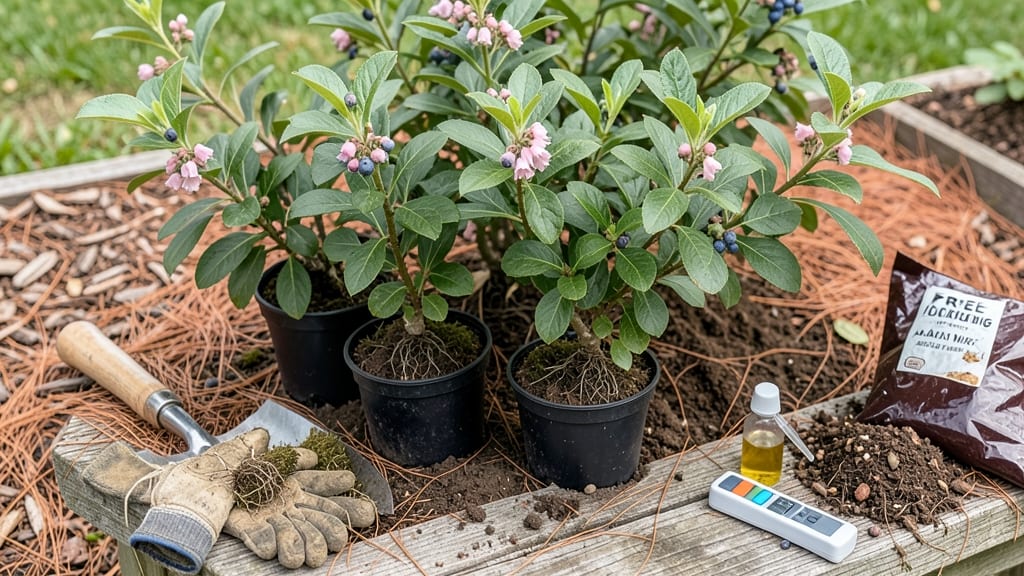
Planting blueberries in New Jersey at the wrong time can mean the difference between a thriving 🫐 bush and one that struggles to survive.
The key to success lies in understanding your local climate—where spring frost can still linger well into April, and fall planting offers a cooler, more forgiving window.
Most gardeners in zones 6b-7a swear by fall planting, between September and October, when soil stays warm enough for roots to establish before winter.
But if you missed that window, don’t worry—spring planting works too, as long as you wait until after the last frost, typically late April to early June.
I’ve tested both methods in my own garden, and the results speak for themselves: blueberries planted at the right time produce bigger yields and handle NJ’s unpredictable weather like a pro.
Whether you’re a first-time grower or a seasoned gardener, these exact timing tips will help you avoid common mistakes and set your bushes up for success.
Ready to grow your own sweet harvest? Let’s break down the best months, soil prep secrets, and NJ-specific tricks to ensure your blueberries thrive from the get-go.
Best planting months for blueberries in NJ’s zones 6b-7a (with exact dates)
New Jersey’s blueberry bushes thrive when planted during two key windows: late fall or early spring. The USDA Zones 6b-7a in NJ mean you must time your planting to avoid late frosts or early freezes, which can stress young plants.
My experience shows that fall planting often gives bushes a head start, while spring planting requires careful monitoring of soil temperatures.
For Zone 6b (northern NJ), the last frost date typically falls around May 15, while Zone 7a (southern NJ) sees its last frost around April 15. These dates are critical for determining your planting deadline.
Coastal areas like Cape May may have slightly earlier last frosts, while inland regions like the Piedmont can experience delays of 5-7 days.
Soil temperature is just as important as air temperature. Blueberries need soil temps above 45°F to establish roots effectively. In NJ, this usually aligns with mid-April to early May for spring planting.
Fall planting, however, should occur 6-8 weeks before the first frost, which in most of NJ falls around mid-October. This timing allows roots to establish before winter dormancy.
Here’s a quick reference for your planting timeline based on NJ’s microclimates:
If you’re planting in spring, aim for late April to early May when the soil has warmed. I’ve found that bare-root blueberries planted in spring establish quickly but require consistent moisture during their first growing season.
For container-grown plants, you have more flexibility, but avoid planting when temperatures exceed 85°F, as this can cause transplant shock.
Fall planting is my preferred method for NJ gardens because it allows the roots to establish before winter dormancy. Plant between September and early October, ensuring the ground isn’t frozen.
In Zone 6b, this means getting your bushes in the ground by October 5, while Zone 7a gardeners can push it until October 15. Mulch heavily with pine needles or compost to protect roots from freezing.
NJ’s coastal regions (like Ocean County) have milder winters, so you can plant up to November 1 if conditions allow. However, inland areas like the Piedmont or Highlands may experience earlier frosts, so adjust your timeline accordingly.
Always check your local Cooperative Extension Service for updated frost dates, as NJ’s climate can vary 5-10 days from year to year.
One common mistake I see is planting too early in spring when the soil is still cold. Blueberries won’t thrive in chilly, wet conditions. Use a soil thermometer to confirm temps are above 45°F before planting.
If you’re unsure, err on the side of waiting until May—your bushes will thank you with healthier growth and better fruit production.
For dwarf varieties (like ‘Top Hat’ or ‘Peach Sorbet’), timing is even more critical because their smaller root systems are more sensitive to stress. Plant these 1-2 weeks earlier than standard bushes to give them extra time to establish.
In Zone 7a, this might mean planting dwarf varieties by April 1 in spring or
Best planting months for blueberries in NJ’s zones 6b-7a (with exact dates)
New Jersey’s blueberry bushes thrive when planted during two key windows: late spring (after last frost) or early fall (before ground freezes). The ideal months for planting are September and October, when soil stays warm but air cools—perfect for root establishment.
Spring planting works too, but you’ll need to wait until late April to early June, once nighttime temps stay above 50°F (10°C) consistently.
Timing matters because blueberries hate soggy roots in winter. Planting too late in fall risks frost heaving, while spring planting too early exposes young roots to late frosts.
NJ’s USDA Zones 6b-7a mean your last frost typically arrives mid-April, but coastal areas (like Cape May) may warm 2 weeks earlier than inland spots (like Sussex County).
📅 Blueberry Planting Timeline for NJ
| Season | Best Planting Window | Soil Temp Requirement | NJ-Specific Notes |
|---|---|---|---|
| Fall | September 15–October 15 | 50–60°F (10–15°C) | Best for root growth before winter; avoid planting after October 30 in Zone 6b. |
| Spring | Late April–Early June | 55–65°F (13–18°C) | Wait until after last frost (track via Almanac’s NJ frost map); coastal areas plant 2 weeks earlier. |
🌱 Pro Tip: Bare-root plants establish faster than container-grown in NJ’s climate. If buying potted, soak roots for 1 hour before planting.
For container gardening, you can plant 1 month earlier than ground planting since pots warm faster. Just ensure containers have drainage holes and use a well-draining acidic mix (like 70% peat moss + 30% perlite).
In Zone 7a (southern NJ), extend fall planting to November 1, but cover young plants with straw mulch if frost threatens.
Mulching is non-negotiable in NJ. After planting, apply 3–4 inches of pine needles or wood chips (both acidify soil over time). Avoid grass clippings—they raise pH. In sandy coastal soils (e.g., Ocean County), mix 1/3 compost into planting holes to retain moisture.
For clay-heavy soils (e.g., Mercer County), amend with sand and peat for better drainage.
If you miss the fall window, don’t panic—just hold off until spring. The key is to avoid planting when soil temps drop below 50°F (10°C), as roots won’t establish.
For bare-root plants, soak roots for 2–3 hours before planting, then trim any damaged roots with sterilized pruners. Plant the root crown 1 inch above soil level; it’ll settle as roots grow.
📅 Your Action Plan: Mark your calendar for September 20–October 10 (fall) or May 1–June 1 (spring). Check soil temps with a thermometer—aim for 55°F+ (13°C+).
For local nurseries with NJ-adapted varieties (like ‘Duke’ or ‘Jersey’), try Rutgers’ Blueberry Center or Baldwin’s Garden Center in Trenton.