
Plants
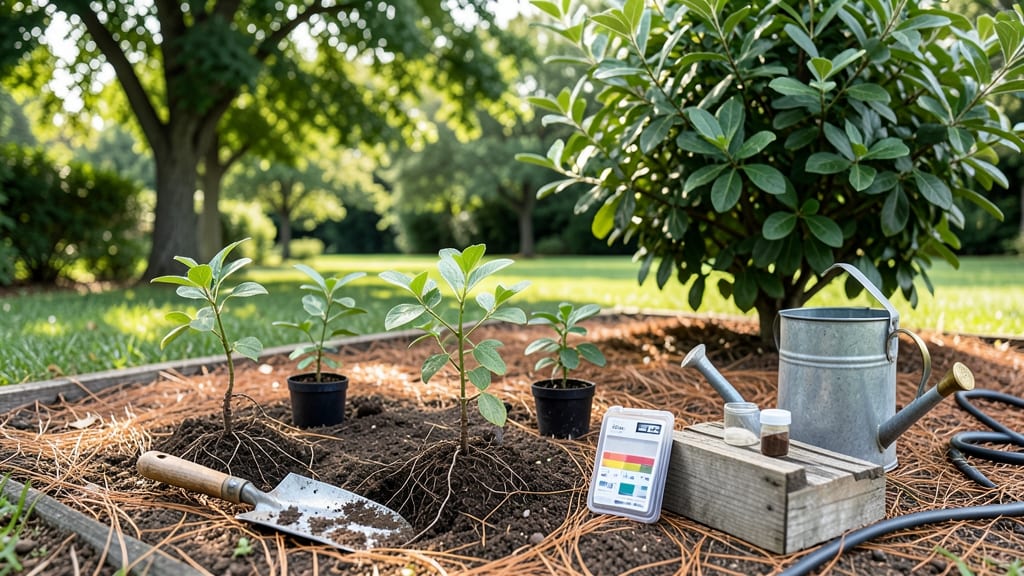
If you’ve ever dreamed of plucking fresh, juicy 🫐 blueberries straight from your Mississippi garden, timing your planting is the game-changer between success and frustration. Mississippi’s warm climate means you can’t just follow the rules for northern growers—your bushes need the right chill hours and protection from summer’s brutal heat.
Most gardeners in USDA Zone 8a plant blueberries in late fall or winter, but there’s a catch: choosing the wrong variety or planting at the wrong time can leave you with weak bushes or no harvest at all.
The key is understanding how chill-hour requirements match Mississippi’s microclimates, from the cooler north to the humid south.
In this guide, I’ll break down the perfect planting windows for your region, which varieties thrive here, and how to prep your soil for acidic-loving blueberries.
Whether you’re a first-time gardener or a seasoned pro, these tips will help you avoid common mistakes and get your bushes off to a strong start.
Ready to turn your backyard into a blueberry patch? Let’s dive into the best times to plant—and why getting it right makes all the difference for your harvest.
Mississippi blueberry planting timeline by chill-hour requirements
Mississippi’s warm winters and humid summers demand careful timing when planting blueberries. Unlike northern states, we can’t just plant in spring—our 300-700 chill hours (depending on variety) require strategic scheduling. Northern Mississippi (Zones 7a-8a) gets slightly more winter chill, while southern areas (Zones 8b-9a) need low-chill varieties to thrive.
Most gardeners in Mississippi plant blueberries in late fall or winter, but the exact window depends on your chill-hour needs. Low-chill varieties (300-500 hrs) can handle southern MS’s mild winters, while intermediate-chill (500-700 hrs) bushes need northern MS’s cooler pockets.
Let’s break down the perfect planting calendar for your region.
Before planting, Mississippi’s clay-heavy soils need amendment with organic matter like pine bark fines or peat moss. Aim for a pH of 4.5-5.5—blueberries are picky about acidity!
Test your soil 4-6 weeks before planting to adjust with sulfur or lime if needed. This prep ensures your bushes establish roots before summer’s heat arrives.
Here’s your planting timeline based on chill hours and Mississippi’s microclimates:
Northern Mississippi gardeners in Zones 7a-8a have more flexibility with intermediate-chill varieties like ‘Climax’ or ‘Duke.’ Plant these in October-November to ensure they get enough winter chill. Southern MS gardeners should stick to low-chill varieties like ‘Powderblue’ or ‘Premier,’ planted in November-January when soil temps drop below 70°F.
Mississippi’s first frost typically hits around November 15, but don’t rush—bare-root plants need 4-6 weeks to establish roots before winter. If you plant in late fall, protect young bushes with mulch (4-6 inches) and a light frost cloth during unexpected freezes.
This buffer helps roots survive without smothering the plant.
Spring planting is risky in Mississippi—young blueberries planted in February-March face summer heat stress before roots establish. If you must plant in spring, choose container-grown bushes (not bare-root) and keep them well-watered until roots spread. Shade cloth can help during the hottest months.
Pro tip: Mississippi’s humidity and summer heat make container growing a great option. Dwarf varieties like ‘Top Hat’ thrive in 15-gallon pots with well-draining mix. Plant containers in November-December and move them to partial shade during peak summer (June-August) to prevent stress.
Remember: Blueberries need acidity, so test your soil’s pH annually and amend as needed. Mississippi’s clay soils often need peat moss or sulfur to reach the ideal 4.5-5.5 range. A simple soil test kit (available at garden centers) makes this easy—don’t guess!
Best southern blueberry varieties for Mississippi gardens
Choosing the right blueberry varieties for Mississippi’s climate is half the battle. With USDA Zone 8a conditions, you need varieties that thrive with 300-600 chill hours and can handle summer heat without wilting. My top picks are heat-tolerant, disease-resistant, and proven to produce reliable yields in Southern gardens.
Let’s dive into the top 5 varieties that will turn your Mississippi garden into a blueberry bonanza—plus their unique care needs. Each variety balances chill-hour requirements with Mississippi’s humidity and summer heat, ensuring your bushes stay healthy and productive year after year.
🌱
Mississippi Blueberry Planting Pros & Cons
Pros
- Fall Planting: Best window is November-February (avoids summer heat stress)
- Soil Prep: Amend clay soil with sulfur and peat moss for ideal pH 4.5-5.5
- Mulching: Pine straw retains moisture and acidifies soil naturally
- Watering: Deep morning watering prevents fungal diseases
Cons
- Spring Planting: Risk of heat stress if planted after March
- High-Chill Varieties: Northern varieties fail in MS (need >700 chill hrs)
- Poor Drainage: Clay soils can waterlog roots if not amended
- Pests: Birds and insects love ripe blueberries—use netting!
For Mississippi gardens, the 'Climax' variety stands out with its 400-500 chill hours and exceptional heat tolerance. This southern highbush produces large, sweet berries that ripen early, perfect for avoiding summer’s worst heat.
Pair it with 'Powderblue', another low-chill favorite that thrives in USDA Zone 8 and resists blueberry diseases like mummy berry.
If you’re after high yields, 'Premier' is a game-changer. This variety delivers consistent production and handles Mississippi’s humidity better than most. For smaller spaces, 'Top Hat' (a dwarf variety) fits containers or tight gardens while still packing a punch with 400 chill hours.
Each of these varieties has unique maintenance needs, from watering frequency to pruning schedules. For example, 'Climax' needs weekly deep watering during fruit set, while 'Powderblue' thrives with bi-weekly mulching to retain moisture.
I’ll cover these specifics in the care comparison below to help you pick the perfect match for your garden.
🌿