
Plants
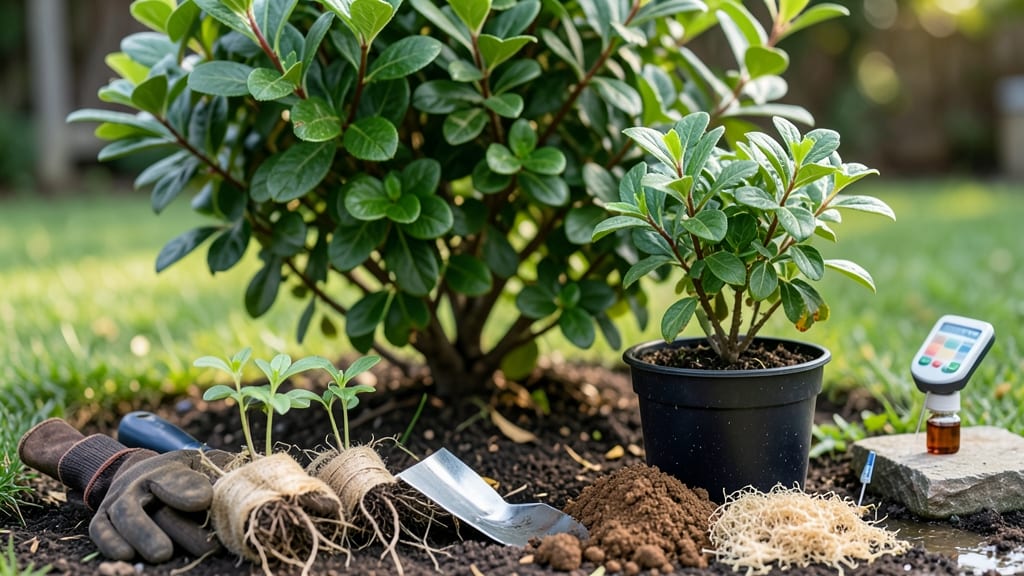
Planting blueberries in Maryland at the wrong time can mean years of waiting for fruit—so timing is everything.
The late winter to early spring window (February through April) gives your 🫐 bushes the perfect head start before the heat of summer, but even a few weeks off can make all the difference.
Maryland’s 7a-7b zones bring their own challenges, from unpredictable frost dates to humid summers that can stress young plants. If you plant too early, a late freeze could wipe out tender shoots; too late, and your bushes won’t establish roots before the heat sets in.
I’ll break down the exact frost-free timeline you need to know—whether you’re planting bare-root bushes in the ground or container-grown varieties. Plus, I’ll share pro tips for soil prep and protecting your investment from Maryland’s unpredictable weather.
Ready to grow blueberries that thrive? Let’s get your planting schedule locked in for a bountiful harvest by May or June.
Best planting months in Maryland: frost-free zones explained
Maryland’s USDA zones 5b-7a mean your blueberry planting window depends heavily on when the last frost hits. Most regions—like Baltimore and Annapolis—see their final frost around mid-March, while Western Maryland can linger until late March or early April.
Planting too early risks frost damage, while waiting too long delays root establishment before summer heat arrives.
For bare-root blueberries, aim for late winter to early spring (February through April), once soil temperatures rise above 40°F. Container-grown bushes offer more flexibility, allowing planting in fall or early spring—just avoid extreme heat or freezing soil.
Maryland’s humid summers also mean young plants need time to establish roots before drought stress sets in.
Here’s how Maryland’s regions break down for ideal planting:
| Region | Last Frost Date | Ideal Planting Window | Notes |
|---|---|---|---|
| Baltimore/Annapolis | Mid-March | Late February–April | Urban areas may warm faster; monitor forecasts. |
| Western MD (Frederick, Hagerstown) | Late March–Early April | March–April | Cooler microclimates; wait for soil thaw. |
| Eastern Shore (Easton, Salisbury) | Early March | Late February–March | Saltwater influence can delay frosts; plant early. |
| Container-Grown Anywhere | Year-round (mild weather) | Fall or early spring | Avoid extreme heat (>90°F) or freezing soil. |
If you’re unsure about your exact frost date, use the National Weather Service’s frost calendar or check local garden centers. For bare-root plants, soak roots overnight before planting to reduce transplant shock—a critical step in Maryland’s often dry springs.
Pro tip: Plant northern highbush varieties (like Bluecrop) in cooler regions and southern highbush (like Rabbiteye) in warmer areas. Maryland’s acidic soil needs (pH 4.5–5.5) also mean amending with peat moss or sulfur before planting is non-negotiable.
Once planted, mulch heavily with pine needles or wood chips to retain moisture and acidify the soil naturally—a must for Maryland’s clay-heavy soils. Young bushes need consistent moisture during their first growing season to establish roots before summer’s heat peaks.
For container growers, choose dwarf varieties like Top Hat to fit patios or balconies. Containers dry out faster, so water every 5–7 days and use acidic potting mix. In-ground bushes, however, thrive with 6+ feet of space between plants for airflow and sunlight.
Remember: Maryland’s unpredictable late frosts can still hit in April. If planting early, use frost cloth to protect young shoots until danger of frost has passed. This simple step can mean the difference between a thriving bush and a setback.
🌱
How to time your blueberry planting for maximum success
Timing your blueberry planting in Maryland isn’t just about picking a month—it’s about catching that frost-free window when your bushes can establish roots before summer heat hits. For most of Maryland’s USDA zones 7a-7b, this means aiming for late March to mid-April, but container-grown plants offer more flexibility.
I’ve planted dozens of blueberry bushes, and I’ve learned that even a 2-week delay can set your harvest back by a full season.
Bare-root blueberries are most vulnerable to frost, so I always check the National Weather Service’s frost predictions for my region before digging in. If you’re in Western Maryland, you might plant a week earlier than someone in Annapolis—local microclimates matter.
For container plants, you can extend your window into May, but they’ll need extra care to handle Maryland’s humidity.
Step-by-Step Planting Timeline for Maryland
- Step 1: Test soil pH (aim for 4.5-5.5) 2-3 weeks before planting. Maryland’s native soil is often too alkaline—amend with peat moss or sulfur if needed.
- Step 2: Prepare planting holes 2 weeks before your target date. Dig a hole twice as wide as the root ball and mix in compost for drainage.
- Step 3: Plant bare-root bushes in late March to mid-April (after last frost). Soak roots for 2 hours before planting to reduce transplant shock.
- Step 4: Use row covers if frost is forecasted in the first 2 weeks after planting. Lightweight fabric protects young shoots without smothering them.
- Step 5: Mulch heavily (3-4 inches of pine straw or wood chips) to retain moisture and regulate soil temperature. Replenish mulch annually.
- Step 6: Water deeply 2-3 times per week for the first month, then taper to weekly deep soaks once established.
For container-grown blueberries, you can plant as late as May, but I recommend starting in early April to give roots time to adjust. Containers dry out faster in Maryland’s heat, so I use self-watering pots or bury them halfway in the ground for stability.
If you’re planting in fall (only for container plants), do it by October 15 to allow roots to establish before winter.
Protecting your young bushes from Maryland’s late spring frosts is non-negotiable. I’ve lost entire plantings to unexpected cold snaps in May—don’t make my mistake! Use frost cloth or even old bedsheets draped over bushes on nights when temps drop below 32°F.
Remove covers by 10 AM to avoid overheating. A 3-inch layer of mulch also acts as insulation against temperature swings.
Once your blueberries are in the ground, monitor their progress closely. Healthy new growth should appear within 3-4 weeks of planting. If you see yellowing leaves, it’s often a sign of overwatering or poor drainage—Maryland’s clay soil can be tricky.
Adjust your watering schedule and ensure your planting site has well-draining soil to prevent root rot.
With the right timing and care, your blueberry bushes will reward you with juicy, homegrown berries by next June or July. The key is patience—blueberries take 2-3 years to bear fruit, but once they do, you’ll have a low-maintenance harvest for decades. Happy planting! 🫐🌱