
Plants
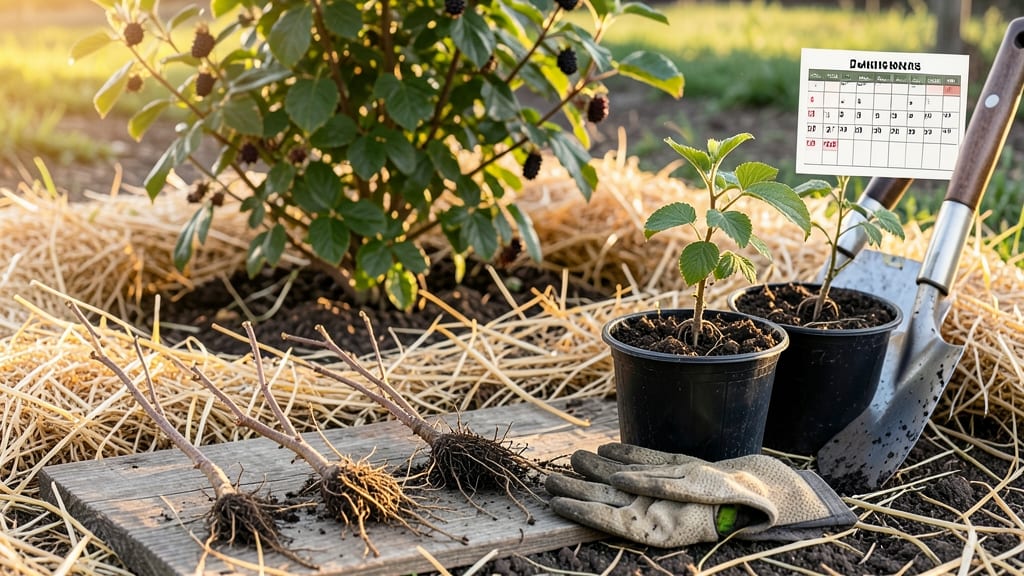
Planting blackberries in Louisiana at the wrong time can turn your sweet 🫐 dreams into a struggle with heat-stressed bushes and poor fruit set. The key to success? Matching your variety’s chill-hour needs with Louisiana’s mild winters and long growing season.
Unlike northern gardeners, you don’t have to worry about harsh freezes, but you do need to time your planting for optimal root establishment before summer’s brutal heat sets in.
Whether you’re growing primocane-bearing varieties that fruit on new wood or traditional floricane types, getting the timing right makes all the difference in yield and plant health.
In this guide, I’ll walk you through the best planting windows for Louisiana’s climate—whether you’re working with low-chill varieties that thrive in our warm winters or semi-high-chill types that need a little more cold exposure.
You’ll also discover how to prepare your soil and site for maximum success, plus how to protect your young plants from Louisiana’s unique challenges like humidity and pests.
Ready to grow blackberries that produce bountiful harvests from late spring through early fall? Let’s get started with the perfect planting schedule for your Louisiana garden.
Louisiana’s best blackberry planting windows by chill-hour requirements
Louisiana’s warm winters and long summers mean blackberries thrive here—but only if you match your variety’s chill-hour needs to the right planting window. Chill hours (temperatures between 32°F and 45°F) trigger dormancy and fruiting.
Skip this step, and you’ll end up with weak canes or no berries. The key? Plant when soil temps dip below 70°F and stay cool enough for your variety’s needs.
Most Louisiana gardeners focus on fall planting (September–October), but late winter (February–March) works too for low-chill varieties. The difference? Fall-planted canes establish roots before summer heat hits, while winter plantings avoid root rot risks. Let’s break down the best times for each chill-hour category.
🌱 Visual Guide: Blackberry Planting Windows by Chill Hours
| Chill-Hour Range | Best Planting Window | Soil Temp Goal | Moisture Needs | Louisiana Variety Fit |
|---|---|---|---|---|
| 300–500 hrs | Late Winter (Feb–March) or Early Fall (Sept) | 50–60°F | Keep soil moist (1–2" water) | Arapaho, Natchez |
| 500–700 hrs | Fall (Sept–Oct) only | 60–70°F | Drain excess water (mulch heavily) | Ouachitambelle, Cherokee |
| 700+ hrs | Not recommended (risk of winter dieback) | N/A | N/A | Avoid (e.g., Triple Crown) |
⚠️ Pro Tip: Test soil temps with a soil thermometer before planting—aim for 50–70°F at 4" depth.
For low-chill varieties (300–500 hrs), like Arapaho or Natchez, Louisiana’s mild winters work perfectly. Plant in late winter (February–March) when soil temps stabilize, or opt for early fall (September) to give roots a head start.
These varieties fruit on floricane canes (second-year growth), so timing ensures robust canes by spring.
Semi-high-chill types (500–700 hrs) like Ouachitambelle or Cherokee need fall planting (September–October). Why? Summer heat can stress newly planted canes, and fall’s cooler temps help roots establish before winter. Skip this, and you’ll battle transplant shock or root rot in Louisiana’s humidity.
Avoid high-chill varieties (700+ hrs) like Triple Crown—they’ll struggle with winter dieback in Louisiana’s Zone 8a–9b. Even if you find them, they’ll produce fewer berries or none at all. Stick to locally adapted types for reliable harvests.
One more critical tip: Primocane-bearing varieties (like Natchez) fruit on first-year canes, so plant them anytime soil is workable (even summer, with shade protection). But floricane types (like Arapaho) need precise timing—plant in fall or late winter to ensure canes mature for next year’s fruit.
Need a quick reference? Bookmark these soil temp cues:
- Below 50°F: Wait—roots won’t establish.
- 50–70°F: Perfect for planting.
- Above 70°F: Risk of heat stress; mulch heavily if planting in summer.
🌿 Now that you’ve nailed the timing, your next move is preparing the site. Louisiana’s clay-heavy soils and high humidity demand extra prep—like amending drainage and choosing the right mulch—to keep your blackberries thriving past planting day.
How to adjust planting for Louisiana’s heat and humidity risks
Louisiana’s summer heat and humidity can turn your blackberry plants into a soggy, stressed mess if you don’t prepare properly. The key to survival? Well-draining soil, smart mulching, and strategic shade during critical growth stages.
Unlike cooler climates, your blackberries won’t just battle frost—they’ll fight root rot, heat exhaustion, and pests thriving in the humidity. Let’s tackle these challenges head-on with actionable steps to keep your bushes thriving.
First, amend your soil before planting to improve drainage. Louisiana’s clay-heavy soils trap moisture, creating the perfect storm for fungal diseases. Mix in compost and coarse sand (or perlite) to create a looser, airier medium. Aim for a pH of 5.5–6.5—blackberries hate alkaline soil.
Test your soil 2–3 weeks before planting to give amendments time to integrate. This small step can mean the difference between a thriving bush and one struggling with wilting canes by June.
Next, mulch like a pro to regulate soil temperature and moisture. Use 3–4 inches of organic mulch (straw, pine needles, or wood chips) but keep it 6 inches away from the stem to prevent rot.
Mulch acts like a cooling blanket in summer, reducing soil temps by up to 10°F and locking in moisture. Replenish mulch every 3–4 months—especially after heavy rains—to maintain its protective barrier. Without this, your plants will wilting under the midday sun.
⚠️ Critical Warning: Louisiana’s Humidity Hazard
Blackberries planted in saturated soil or without proper airflow are vulnerable to root rot and fungal diseases like anthracnose. Here’s how to avoid it:
- ✅ Do: Plant on mounds or raised beds for better drainage.
- ✅ Do: Space canes 4–5 feet apart for airflow.
- ❌ Don’t: Water overhead—use drip irrigation to keep foliage dry.
- ❌ Don’t: Skip mulch—it’s your first line of defense against heat stress.
🌡️ Pro Tip: Monitor soil moisture with your finger. If the top 2 inches are damp, wait to water.
After planting, water deeply but infrequently to encourage deep root growth. Louisiana’s heat evaporates moisture quickly, so water in the early morning (before 10 AM) to give roots time to absorb water before the sun peaks. Aim for 1–2 inches of water per week, delivered slowly to avoid runoff.
Overhead watering? Avoid it—it spreads fungal spores and attracts pests. Instead, use soaker hoses or drip lines buried 2 inches deep for targeted hydration.
For young plants, provide temporary shade during the first 4–6 weeks after transplanting. Use shade cloth (30–50%) or plant near partial shade (like under a taller tree) to reduce stress. This mimics the gradual acclimation plants need to adjust to Louisiana’s intense sun.
Without this step, your blackberries may scorch before they establish roots. Once established, they’ll handle full sun—but give them time to adapt.
Finally, prune strategically to improve airflow and reduce humidity-related stress. Remove dead, crossing, or weak canes in late winter (February) to open up the plant. Thin out overcrowded branches to let sunlight and air circulate.
This isn’t just about aesthetics—it’s about preventing fungal outbreaks that thrive in stagnant, humid conditions. A well-pruned bush is a healthier, more productive bush.
By following these steps—soil prep, mulching, smart watering, shade protection, and pruning—you’ll give your blackberries the best shot at surviving Louisiana’s brutal summers.
The payoff? Sweeter berries, fewer pests, and years of reliable harvests. Now, grab your gloves and let’s get planting!