
Plants
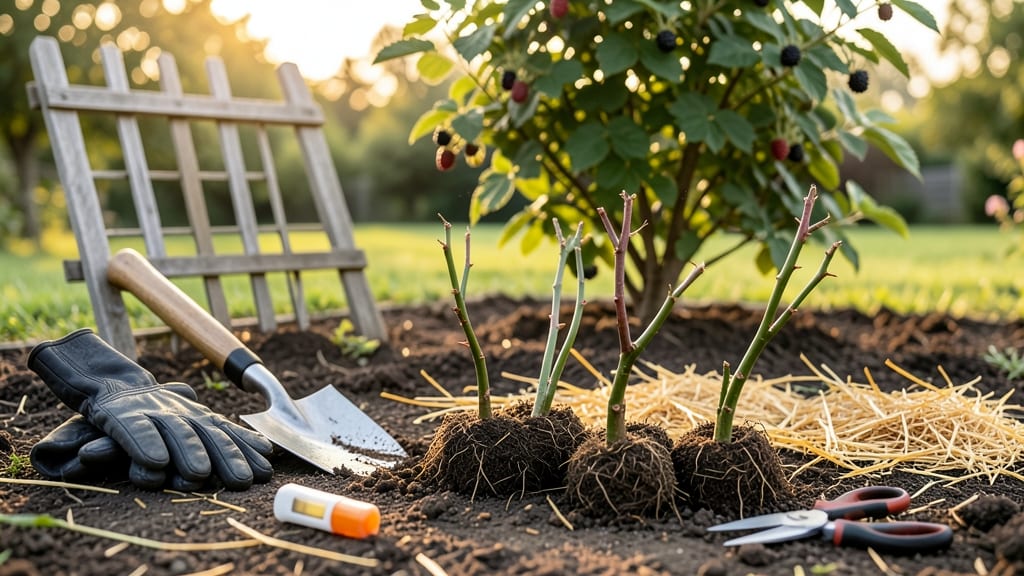
Timing your blackberry 🫐 planting in North Carolina wrong could mean the difference between a lush, fruit-bearing bush and a sad, struggling investment—especially when you factor in NC’s tricky chill-hour needs and unpredictable weather shifts.
Most gardeners know spring is ideal, but fall planting actually gives blackberries a head start in root growth before winter. The key is matching your planting window to your specific USDA zone (7a-8b) and local microclimate—whether you're in the Piedmont, Coastal Plain, or Mountains.
I’ll break down the exact months to plant, how to prep your soil, and what varieties thrive best in NC’s climate. You’ll learn which planting method (bare-root vs. potted) works best for your schedule and how to protect young canes from early frosts.
With the right timing and care, you could be harvesting juicy blackberries by next summer. Let’s get your canes off to the strongest possible start.
Best planting windows for NC blackberries by chill-hour zones
North Carolina’s diverse chill-hour zones (ranging from 400 to 1,000 hours) make timing critical for blackberry success. Planting at the wrong time—like waiting until late spring—can delay fruiting by a full year.
The key is matching your variety’s chill needs to your region’s winter cold accumulation, whether you’re in the Coastal Plain, Piedmont, or Mountains.
For Piedmont growers (USDA Zones 7a-7b), aim for 500–700 chill hours. In the Coastal Plain (Zone 8a), varieties with 300–500 chill hours thrive, while Mountain regions (Zone 6b) can handle 700–1,000+ chill hours.
Soil temperatures also matter—bare-root canes need 40–50°F soil to root, while potted plants can tolerate slightly warmer conditions.
🌱 NC Blackberry Planting Guide by Chill-Hour Zone
| Zone | Chill Hours | Best Planting Window | Soil Temp | Regional Notes |
|---|---|---|---|---|
| Coastal Plain | 300–500 | Late Feb–March or Sept–Oct | 45–55°F | Avoid fall planting if frost risks persist |
| Piedmont | 500–700 | Feb–early April or Sept–early Oct | 40–50°F | Ideal for ‘Natchez’ and ‘Chester’ varieties |
| Mountains | 700–1,000+ | March–April or early Sept | 35–45°F | Best for ‘Arapaho’ and ‘Ouachita’ |
📌 Pro Tip: Test soil moisture before planting—dry soil delays root establishment.
Fall planting (September–October) is my top recommendation for most NC growers. The cooler temps and consistent moisture give canes time to root before winter. In the Piedmont and Mountains, aim for 6–8 weeks before first frost—typically by October 15.
For the Coastal Plain, extend planting to early November if frost dates are later.
If you miss fall, early spring planting (February–March) is the next best option. Wait until soil warms to 50°F and day temperatures stay above 60°F consistently. In Mountain regions, this might mean waiting until late March to avoid late frosts.
Always check your local Cooperative Extension Service for frost date updates—they’re your best ally for NC-specific advice.
For bare-root canes, soak roots in water for 2–4 hours before planting to revive dormant roots. Potted plants can go in anytime soil is workable, but avoid extreme heat (above 85°F) or waterlogged soil.
In clay-heavy soils (common in the Piedmont), amend with compost or sand to improve drainage—root rot is a silent killer for blackberries.
After planting, mulch heavily (3–4 inches) with straw or wood chips to retain moisture and protect roots. In Mountain regions, add an extra 2 inches of mulch for winter insulation.
Avoid synthetic mulches like black plastic, which can overheat soil in spring. Prune back canes by 1/3 after planting to encourage root growth over top growth.
One common mistake? Planting high-chill varieties in the Coastal Plain or low-chill types in the Mountains. For example, ‘Chester’ (600+ chill hours) will struggle in Wilmington, while ‘Arapaho’ (900+ chill hours) may not fruit well in Raleigh.
Matching variety to zone saves years of frustration. Always check the USDA Plant Hardiness Zone Map and your local Extension office for precise guidance.
Finally, watch for early signs of stress like yellowing leaves or wilting canes—these often signal poor soil contact or drought. In dry years (like NC’s 2020–2023 droughts), consider drip irrigation for the first 60 days after planting.
With the right timing and care, your blackberries will reward you with bountiful harvests for decades.
How to choose blackberry varieties for NC’s climate and soil types
North Carolina’s diverse climate zones and soil types demand careful selection of blackberry varieties. Choosing the wrong type can lead to winter dieback or poor fruit production, especially with NC’s 400–1,000 chill hours.
The key is matching varieties to your local conditions—whether you’re in the sandy soils of the Coastal Plain or the heavier clay of the Mountains.
For example, ‘Natchez’ thrives in sandy loam and handles moderate chill hours (600–800), making it ideal for the Piedmont region. Meanwhile, ‘Arapaho’, a thornless variety, adapts well to clay-heavy soils and requires fewer chill hours (400–600), perfect for Coastal Plain gardens.
Disease resistance is another critical factor. ‘Chester’, a high-yielding variety, resists anthracnose and root rot, common in NC’s humid summers. If your soil is poorly draining, this variety can be a lifesaver. Always test your soil’s pH (5.5–6.5) before planting—blackberries hate alkaline conditions.
Avoid planting high-chill varieties like ‘Triple Crown’ (900+ hours) in the Coastal Plain—they’ll struggle to fruit. Instead, opt for low-chill types like ‘Ouachita’, which thrives with just 300–500 chill hours. Always check your local USDA zone (NC ranges from 7a–8b) and adjust accordingly.
For sandy soils, amend with compost to improve water retention. In clay-heavy areas, mix in organic matter like pine bark fines to prevent compaction. Mulch with straw (not wood chips) to protect roots from winter temperature swings, a common issue in NC’s variable climate.
If you’re new to blackberries, start with ‘Natchez’—it’s disease-resistant, high-yielding, and forgiving of soil imperfections. For thornless varieties, ‘Arapaho’ is a great choice, especially if you’re gardening near kids or high-traffic areas.
Always space canes 3–4 feet apart to ensure airflow and reduce fungal diseases.