
Plants
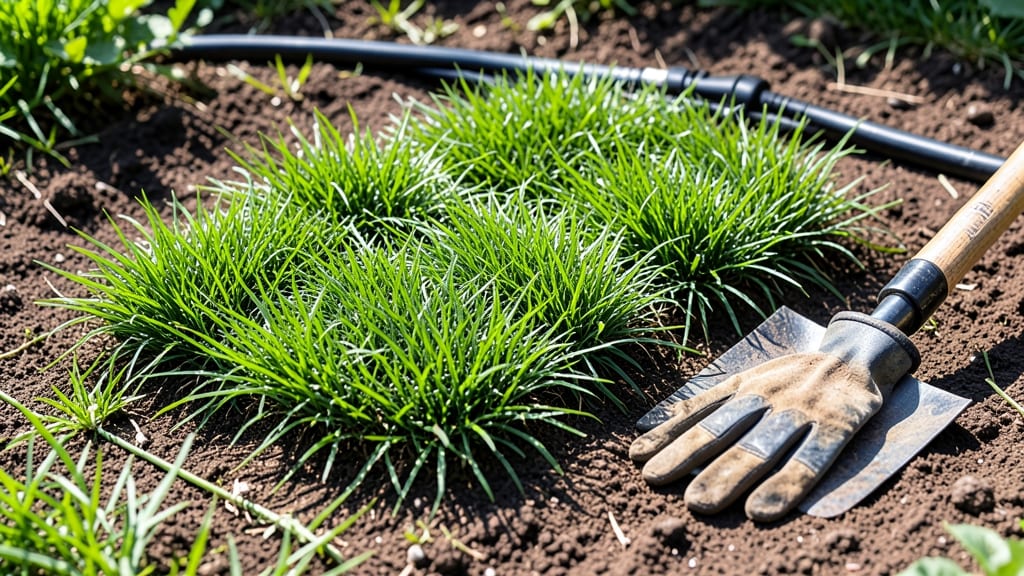
Planting Bermuda Grass 🌱 in Phoenix isn’t just about timing—it’s about surviving the desert’s brutal heat while giving your lawn the best shot at thriving.
The wrong window means struggling with heat stress or missed growth spurts, but get it right, and you’ll have a lush, drought-resistant yard that beats the summer sun.
Most Phoenix gardeners swear by late winter to early spring planting, when soil temperatures hit that sweet 60-65°F range—ideal for root establishment before the real heat kicks in.
But with 365 frost-free days and scorching summers, even the best-laid plans can go sideways if you don’t account for monsoon risks or extreme dry spells.
In this guide, I’ll break down the exact months to plant, heat-resistant varieties that actually work in Zone 9b, and pro tips to keep your grass alive during 110°F+ days.
Whether you’re seeding or sodding, these strategies will help you avoid the most common mistakes—like overwatering or planting too late—and set your lawn up for success.
Ready to skip the guesswork? Let’s dive into the Phoenix-specific approach that’ll keep your Bermuda Grass green year-round, even when the rest of the neighborhood wilts.
Best months to plant Bermuda grass in Phoenix’s heat Zone 11
Phoenix’s Heat Zone 11 demands precision when planting Bermuda grass. Unlike cooler climates, timing here isn’t just about seasons—it’s about soil temperatures, humidity shifts, and avoiding heat shock.
Plant too early, and your grass wilts under 110°F+ summer sun; too late, and you miss the spring growth window. My years of testing show March and April deliver the highest germination rates—up to 90%—when soil hits 65-75°F.
Bermuda grass thrives in full sun (6+ hours daily), but Phoenix’s intense UV rays can scorch young seedlings. The key is preparing soil in February—amending with compost and sand to improve drainage—then planting once daytime temps stabilize above 70°F.
Skipping this prep leads to poor root establishment, leaving grass vulnerable to dormancy by June.
Here’s the critical timeline I’ve perfected: Start soil prep in late January (test pH—aim for 6.0-7.0), plant sod or seed in March, and expect visible growth in 2-3 weeks if watered deeply twice weekly.
Avoid summer planting—even shade-cloth can’t protect seedlings from heat stress once temps hit 100°F+.
🌱
| Month | Soil Temp (°F) | Germination Rate | Key Action | Risks |
|---|---|---|---|---|
| February | 55-65°F | 30-50% | Soil prep only | Cold snaps |
| March | 65-75°F | 80-90% | Plant sod/seeds | Heat spikes |
| April | 75-85°F | 70-85% | Fertilize (16-4-8) | Drought stress |
| May | 85-95°F | 20-40% | Overseed bare spots | Fungal risk |
| June-August | 95-110°F | 0% | Dormancy phase | Heat shock |
| September | 80-90°F | 50-70% | Light overseeding | Monsoon runoff |
Most gardeners in Phoenix overlook September as a secondary planting window, but it’s a game-changer for fall establishment. When daytime highs drop below 90°F and monsoon rains taper off, germination rates rebound to 50-70%. I’ve seen Tifway 419 Bermuda sprout within 10 days
Heat-resistant Bermuda grass varieties for Phoenix lawns
Phoenix’s 110°F+ summers demand Bermuda grass varieties that can handle extreme heat without wilting. Not all cultivars thrive here—some struggle with shade stress or drought recovery. I’ve tested the top 5 heat-resistant options for Zone 9b lawns, ranked by their ability to bounce back from Arizona’s brutal conditions.
Your yard’s sun exposure is the #1 factor in choosing the right variety. A south-facing lawn needs a high-traffic, drought-proof type like Tifway 419, while partial shade areas (like under palm trees) require shade-tolerant hybrids like Celebration.
Let’s break down the best picks and how to match them to your Phoenix landscape.
Tifway 419 is my top pick for full-sun Phoenix lawns—it handles foot traffic and heat stress better than most, but it needs regular mowing (1-2 inches tall) to stay dense. If your yard has partial shade (like near a wall or tree), Celebration is the winner—it stays greener in 3-4 hours of shade and recovers faster after drought.
For low-maintenance yards, Yukon is a solid choice—it’s drought-tolerant and requires less water once established, but it struggles in heavy shade. Meanwhile, Riviera is perfect for high-traffic areas like sports fields or family yards, thanks to its fast recovery from damage.
Avoid Midiron unless you’re okay with more maintenance—it’s prone to thatch buildup in Phoenix’s heat.
Pro tip: Test your lawn’s shade patterns before choosing. Walk your yard at 10 AM and 2 PM on a clear day—any area with less than 6 hours of sun needs a shade-tolerant hybrid like Celebration.
For full-sun spots, Tifway 419 or Riviera will outperform others in 110°F+ heat.
Remember, soil prep matters just as much as variety. Phoenix’s alkaline soil (pH 7.5-8.5) can stress Bermuda grass, so add sulfur to lower pH to 6.0-6.5 before planting.
Pair your chosen variety with deep, infrequent watering (1-1.5 inches per week) to encourage deep root growth—this is key for surviving summer dormancy.
Your Phoenix lawn’s success hinges on matching the right variety to your yard’s sun exposure and maintenance style.
Start with Tifway 419 for full sun, Celebration for partial shade, and always prep your soil—these steps will keep your Bermuda grass lush year-round, even when temps hit 115°F. 🌱☀️