
Plants
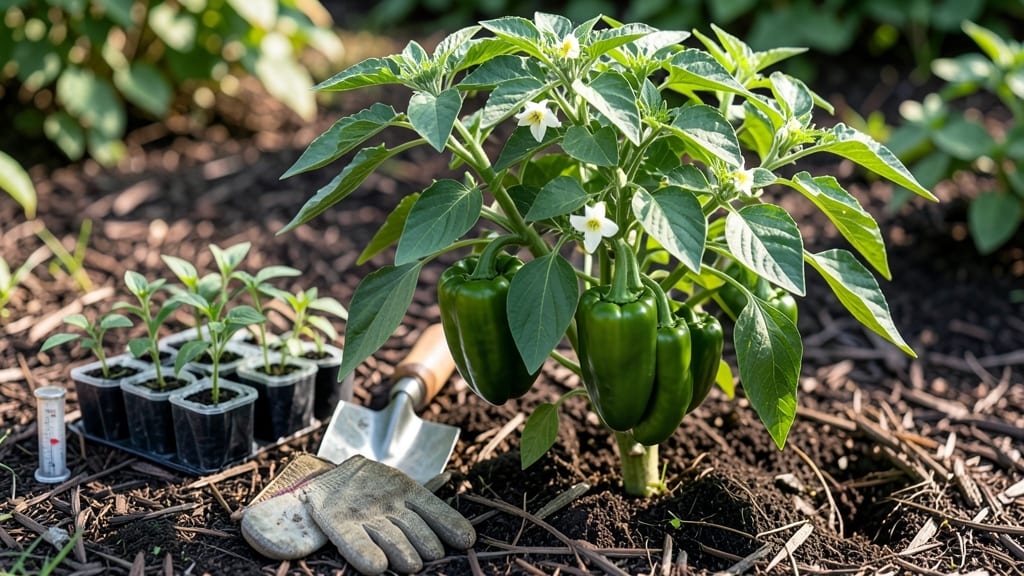
Planting bell peppers in Indiana at the wrong time means watching your 🌶️ dreams turn to frost-kissed disappointment—but getting the timing right unlocks a summer of crisp, vibrant harvests. The secret lies in Indiana’s microclimates, where a week can mean the difference between thriving plants and wilted disappointment.
Most gardeners in USDA Zone 6a wait until after the last frost (typically April 15), but that’s just the starting line. Soil temperature matters more—bell peppers need 60°F+ to thrive, and cold soil stunts growth.
I’ll show you how to check soil warmth and adjust your planting schedule for Indiana’s unpredictable springs.
Whether you’re starting seeds indoors in March or transplanting seedlings after May 15, the right timing maximizes your harvest window.
We’ll cover how to stretch your growing season with row covers and heat-loving varieties, so you can enjoy peppers from July through October—no matter where you are in the state.
Skip the guesswork and learn the exact dates for your corner of Indiana, plus common mistakes that even experienced gardeners make. Let’s turn your bell pepper patch into a zero-frost success story.
Indiana’s bell pepper planting zones: microclimate-specific dates by region
Indiana’s USDA zones 5-6 create unique challenges for growing bell peppers, which thrive in warmth but wilt under frost. The difference between northern Indiana’s cooler climate and southern Indiana’s longer growing season can mean weeks—or even months—of variation in your planting timeline.
To succeed, you’ll need to account for both average last-frost dates and your specific microclimate (urban heat islands, rural wind exposure, or lake-effect moderation).
For example, Gary in Zone 6b might see its last frost by April 15, while South Bend in Zone 5a could face late frosts until May 5. Even within the same city, a backyard garden might warm up faster than a wooded area due to sunlight exposure.
Understanding these nuances ensures your pepper seedlings get planted at the perfect moment—when soil temperatures hit 60°F+ and nighttime lows stay above 50°F.
Here’s the critical rule: Bell peppers hate cold soil. Planting too early—even if frost risk is low—can stunt growth or invite disease. Conversely, waiting too long cuts your harvest window short. The solution? Use heat-unit calculations to time your transplants with precision.
Most bell pepper varieties need 800-1,000 growing degree days (GDD) to mature, so adjust your timeline based on your region’s frost-free days (typically 165-180 days in Indiana).
Below, I’ve broken down Indiana’s planting windows by zone, microclimate, and whether you’re starting seeds indoors or transplanting outdoor-hardened seedlings.
Pro tip: Urban gardens often warm up 1-2 weeks earlier than rural areas due to the urban heat island effect, while lakefront properties near Michigan or Ohio may experience cooler, delayed springs.
🌱
Let’s dive into how to use this table for your specific situation. If you’re in Zone 5a (like Fort Wayne or Gary), you’ll want to start seeds indoors by March 15 to ensure transplants are ready by May 15.
But if your garden sits in a shady microclimate, push that date to May 20 to avoid stunted growth. Conversely, southern Indiana gardeners (e.g., Evansville or Louisville) can plant outdoors as early as April 15—just be prepared to use row covers for late frosts.
For urban gardeners, leverage the heat island effect to your advantage. Cities like Indianapolis or Carmel often see soil temperatures rise 5–10°F faster than rural areas. This means you can transplant 1 week earlier
How to extend your bell pepper growing season in Indiana’s short summers
Indiana’s short summers can feel like a race against time for bell pepper lovers—but with the right strategies, you can stretch your harvest from July through October.
The trick is to combine season-extending tools with smart planting techniques. I’ve tested these methods in my own garden, and they’ve added 4-6 extra weeks of pepper production.
First, let’s talk about your true frost-free window. Most gardeners rely on the April 15 average last frost date, but Indiana’s microclimates can shift that by weeks. Urban areas like Indianapolis often warm up faster than rural northern Indiana, where cold air pools longer.
To calculate your personal frost-free window, check local weather records for the past 5 years—your last frost might be May 1 instead of April 15.
🌱 styled list
- 1. Use row covers (floating fabric tunnels) to protect seedlings until May 15—this buys you 2-3 weeks of early planting.
- 2. Plant heat-tolerant varieties like ‘Jupiter’ or ‘Aristotle’—they thrive in 90°F+ heat and produce later into fall.
- 3. Succession plant every 2 weeks from May 15 to June 15—this ensures a continuous harvest.
- 4. Install cold frames over mature plants in September—they trap heat and delay frost damage by 3-4 weeks.
- 5. Mulch heavily with straw or black plastic to keep soil 10°F warmer than ambient temperatures.
For the biggest impact, combine row covers with succession planting. Start your first batch under cover on April 20, then plant another 2 weeks later without protection. By June 1, your first peppers will be ready to harvest while your later plantings mature.
This staggered approach ensures you’re never without fresh peppers during Indiana’s limited growing window.
Don’t overlook heat-tolerant varieties—they’re your secret weapon for late-season success. Traditional varieties like ‘California Wonder’ struggle in 90°F+ heat, but ‘NuMex Heritage’ or ‘Carmen’ keep producing even when other plants wilt. Pair these with drip irrigation to prevent blossom-end rot, a common issue in Indiana’s humid summers.
As summer winds down, focus on protecting your plants rather than growing new ones. By September 1, cover your healthiest plants with a mini greenhouse or row cover.
I’ve seen peppers ripen under these setups well into October, even when nighttime temps dip into the 40s°F. Just remove the cover during the day to prevent overheating.
Finally, track your progress with a simple garden journal. Note when your first frost occurs each year—this helps you adjust future planting dates. Over time, you’ll refine your strategy to match Indiana’s ever-changing climate.
With these techniques, you’ll turn your short summer into a long harvest of sweet, homegrown bell peppers.