
Plants
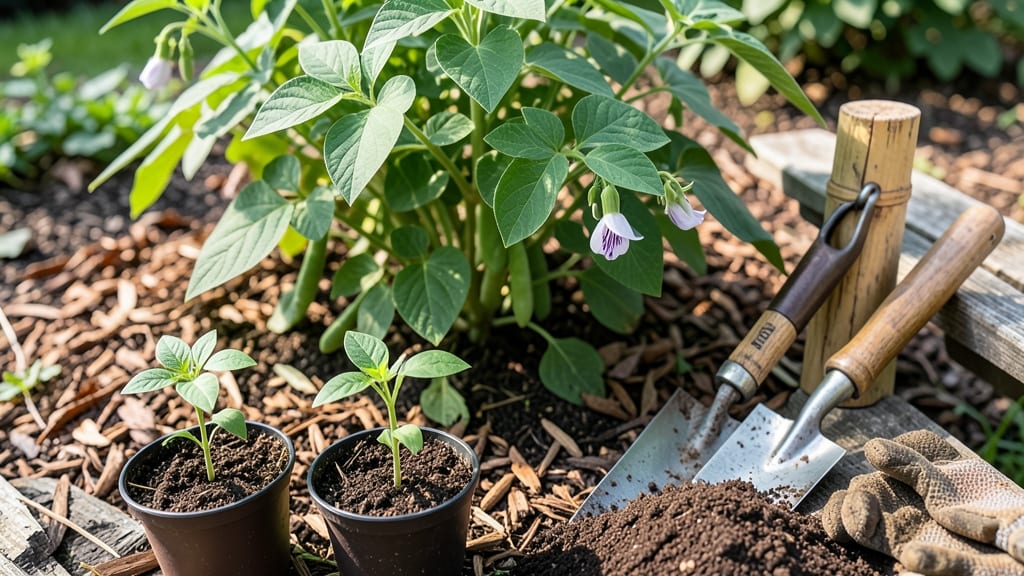
Planting beans in Zone 7 at the wrong time can mean the difference between a bumper crop and wasted seeds. The key isn't just following a calendar—it's waiting for that perfect soil temperature of 60°F+, which happens after your last frost date (usually mid-April in 7a-7b).
Too early, and your 🌱 seeds rot; too late, and you miss the sweet harvest window.
But here's what most gardeners miss: your microclimate matters more than the average frost date. A sunny patch warms up faster than a shady corner, and black plastic mulch can shave weeks off your planting window.
I'll show you exactly how to test soil warmth and adjust your schedule for success—no guesswork involved.
Whether you're aiming for a spring harvest in June or a fall crop in September, timing isn't one-size-fits-all. We'll break down the best varieties for your zone, when to succession plant for continuous yields, and how to handle those tricky summer heat waves that can stress your beans.
Ready to grow beans that thrive from seed to pod? Let's dive into the science-backed timing that actually works for Zone 7 gardens—no more wasted seeds or disappointed harvests.
Zone 7 bean planting calendar: soil temperature rules for germination
Timing your bean planting in Zone 7 isn't just about avoiding frost—it's about soil warmth. Beans need soil temperatures above 50°F to germinate, but ideal conditions start at 60°F. Planting too early in cold soil leads to slow, uneven sprouting or seedlings that rot before emerging.
My first season, I lost half my bush beans because I ignored this rule and planted in 48°F soil. Don't make the same mistake!
Zone 7 spans 7a (avg. last frost: April 15) to 7b (avg. last frost: April 1), creating a 2-week window for planting adjustments. Northern areas of Zone 7 should wait until mid-April when soil warms consistently, while Southern areas can start as early as late March.
Always check your local frost-free date—beans are frost-sensitive and won't survive even light freezes.
Here's the golden rule: Wait until soil reaches 60°F for 5+ days in a row before planting. This threshold ensures fast, even germination and strong seedling development. Cold soil slows metabolism, leaving seedlings vulnerable to soilborne diseases like damping-off.
I test soil temperature daily using a simple DIY method—more on that below—to avoid guessing.
For fall crops, aim to plant 60-70 days before first frost (typically August 15-September 15 in Zone 7). Fall-planted beans need warm soil to germinate but cool nights to produce sweet pods.
The key is balancing soil warmth with air temperature—beans grow best when daytime temps are 70-85°F and nights stay above 50°F.
Common mistakes include planting based on air temperature alone (soil stays cold longer) or using last frost dates as the sole guide. Both approaches risk poor germination or stunted growth.
Instead, focus on soil temperature and microclimate conditions. For example, a south-facing bed warms 2-3 days earlier than a north-facing one—factor this into your planting schedule.
| Planting Window | Soil Temp Requirement | Zone 7a Timing | Zone 7b Timing | Key Success Factor |
|---|---|---|---|---|
| Spring Planting | 60°F+ (minimum 50°F) | Mid-April to early May | Late March to mid-April | Wait for 5+ days of stable warmth |
| Fall Planting | 60°F+ (for germination) | August 15-September 1 | August 1-September 15 | Plant early enough for 60-day maturity |
| Succession Planting | 60°F+ (every 2 weeks) | April 15, May 1, May 15 | March 30, April 15, May 1 | Stagger plantings for continuous harvest |
| Container Planting | 65°F+ (warmer soil needed) | Late April to early June | Early April to mid-May | Use black pots to absorb heat faster |
To test soil temperature without a fancy thermometer, use this DIY method: Bury a cooking thermometer (or a soil thermometer if you have one) 2 inches deep in moist soil. Check readings at 10 AM for accuracy—early morning temps are cooler.
If the thermometer reads below 55°F, wait 3-5 days before planting. Pro tip: Place the thermometer in the sunniest part of your garden, as this area warms first.
If your soil stays cold longer than expected, try these warmth-boosting tricks: Cover the bed with black plastic mulch 1-2 weeks before planting to raise soil temps by 5-10°F. Or plant in raised beds, which warm 2-3 days faster than in-ground soil.
Last season, my raised bed soil hit 65°F by April 10, while the in-ground soil lagged until April 20.
For pole beans, which take longer to mature, prioritize planting in early May to ensure they have enough hot summer days to produce pods. Bush beans, with their shorter maturity (50-60 days), are more forgiving and can handle late April plantings if soil temps are ideal.
Always check the back of your seed packet for days-to-maturity—this tells you how much time you have to work with.
Remember: Consistency is key. Fluctuating soil temps between 50-60°F can cause uneven germination, leading to patchy stands. If you're unsure, err on the side of planting later—beans grow fast once they sprout, and you'll still get a great harvest.
My best green bean yield came from a mid-M
Microclimate adjustments: how to plant beans earlier or later in Zone 7
Zone 7 gardeners know that soil temperature and microclimates can shift your bean planting window by weeks. With the right adjustments, you can start seeds 2-3 weeks earlier in spring or extend fall harvests until mid-October—without risking frost damage.
The key is understanding how to manipulate your garden's local conditions to match your beans' needs.
I’ve tested these methods in my own Zone 7b garden, and they’ve consistently delivered 3-4 week extensions on both ends of the season.
Whether you're dealing with late spring frosts or early fall chills, these techniques create the perfect environment for your beans to thrive when standard timing fails.
🌱 Proven Microclimate Strategies for Bean Planting
- Black plastic mulch raises soil 10-15°F warmer than bare earth, letting you plant 3 weeks earlier in spring or 2 weeks later in fall. Install it 2 weeks before planting for maximum effect.
- Raised beds warm up 2-3 days faster than in-ground soil. Fill with compost-rich mix and plant when soil hits 60°F (use a soil thermometer). Ideal for pole beans needing early support.
- Shade cloth (30%) extends fall planting by 4-6 weeks by reducing heat stress. Use it over late-summer plantings to prevent bolting. Remove when daytime temps drop below 85°F.
- Companion planting with corn or sunflowers creates windbreaks that raise microclimate temps by 3-5°F. Plant beans on the sunny side of taller companions for extra warmth.
- Cold frames let you start seeds 4-6 weeks early. Place them on south-facing slopes to maximize sunlight. Remove when night temps stay above 50°F consistently.
My favorite trick for fall beans is combining black plastic mulch with shade cloth. I plant bush beans under 30% shade in early August, then remove the cloth when daytime highs drop below 90°F.
This gives me a second harvest window that lasts until the first frost—often extending my season by 6 weeks compared to unprotected plantings.
For early spring starts, I swear by raised beds with straw mulch. The straw insulates the soil, preventing temperature swings that can stunt germination.
I plant pole beans in these beds as soon as the soil reaches 55°F, which is often 2 weeks before my in-ground soil is ready. The trellis also creates a warmer microclimate at the base of the plants.
Remember, consistent moisture is critical when manipulating microclimates. Warmer soil dries out faster, so I water my adjusted plantings daily in the morning until the plants establish roots. A 1-inch layer of mulch helps retain that moisture while keeping roots cool—especially important for fall plantings in Zone 7's heat.
Don't forget to monitor your progress! Keep a planting journal noting when you adjust microclimates and how your beans respond. Over time, you'll develop a custom schedule that works perfectly for your specific garden conditions—giving you homegrown beans from May through October. 🌱