
Plants
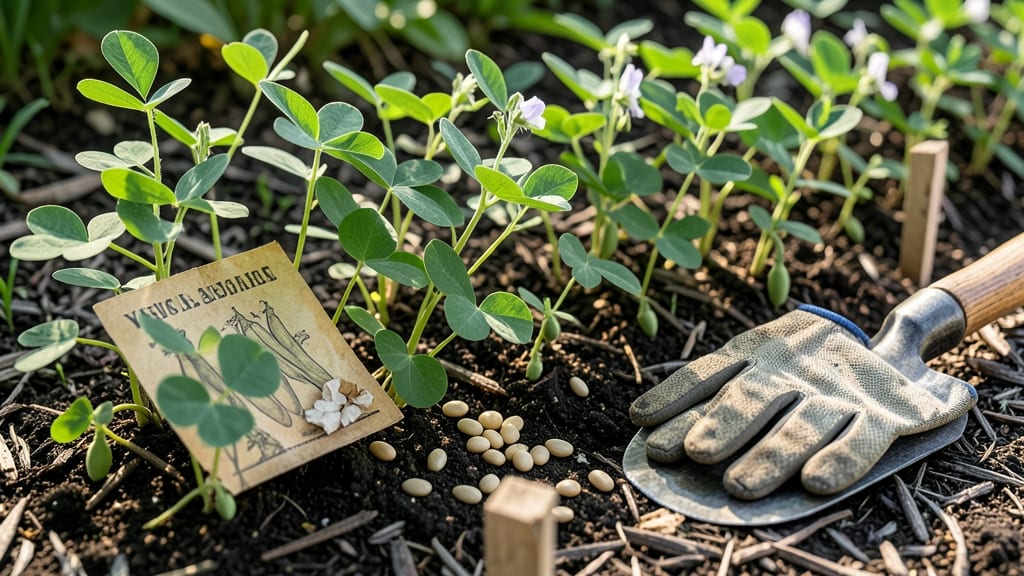
Planting fava beans at the wrong time in Zone 6 can turn your fast-sprouting dreams into a slow, frustrating wait—or worse, no harvest at all. The key isn’t just checking the calendar but reading your soil’s temperature, frost dates, and even your backyard’s microclimate.
I’ve learned the hard way that fava beans 🌱 love cool weather but hate soggy soil or late frosts. In Zone 6, timing matters more than most crops because these hardy legumes need just the right conditions to kickstart growth—whether you’re planting in early spring or late summer.
What if you could shave weeks off your wait time by planting at the perfect moment? That’s exactly what this guide will show you, from soil temp tricks to adjusting for your local frost patterns. Let’s get those seeds in the ground the right way.
Whether you’re a first-time gardener or a seasoned grower, these insights will help you avoid common mistakes and maximize your harvest. Ready to turn your Zone 6 garden into a fava bean success story?
Optimal planting windows for fava beans in Zone 6 by soil temperature
Getting the timing right for fava beans in Zone 6 isn’t just about checking the calendar—it’s about reading your soil temperature.
These cool-season legumes germinate best when the ground is between 40°F and 60°F, but planting too early risks frost damage, while waiting too long can delay your harvest. Let’s break down the perfect windows for fast germination and peak yields.
Spring and fall are your two best bets for planting fava beans in Zone 6. Spring planting (March–April) aligns with soil warming to 50–60°F, while fall planting (August–September) targets cooler 40–50°F soils. Each window offers unique advantages, from avoiding summer heat stress to extending harvests into late fall.
| Planting Window | Soil Temp Range | Germination Time | Frost Risk | Harvest Window |
|---|---|---|---|---|
| Early Spring (March) | 45–55°F | 7–14 days | Moderate (late frosts) | June–July |
| Late Spring (April) | 50–60°F | 5–10 days | Low | July–August |
| Early Fall (August) | 50–60°F | 5–10 days | Low (early frost risk) | October–November |
| Late Fall (September) | 40–50°F | 10–14 days | High (early frost) | November (if frost-free) |
In early spring, aim for March planting when soil temps hit 45–55°F. This gives seeds time to germinate before late frosts (common in Zone 6 until mid-April). If you plant in late March, use row covers to shield young seedlings from unexpected cold snaps.
For spring planting in April, soil temperatures climb to 50–60°F, triggering faster germination (5–10 days). This window minimizes frost risk and ensures a summer harvest just as other crops like tomatoes start to wilt in the heat. It’s my go-to for the most reliable yields.
Fall planting offers a second chance for harvests. Start in early August when soil is still warm but cooling. Seeds planted then will germinate quickly and mature before the first frost.
If you wait until September, germination slows (taking 10–14 days in 40–50°F soil), but you can still get a harvest if frost doesn’t arrive early.
One trick I swear by is staggered planting. Sow a portion of seeds every 2–3 weeks in spring or fall to extend your harvest window. For example, plant half your seeds in early March and the rest in late March.
This ensures a steady supply of fresh pods instead of a single bumper crop.
Soil temperature is your best friend when planting fava beans. Use a soil thermometer to confirm conditions—don’t guess! If temps are below 40°F, wait; if they’re above 60°F, you risk slow germination or heat stress.
Zone 6’s variable frost dates (last frost: April 15, first frost: October 15) mean timing is everything.
Pro tip: Test your soil before planting. Fava beans prefer slightly acidic to neutral pH (6.0–7.0). Amend with compost if needed, and avoid fresh manure, which can burn young roots. A little prep goes a long way for fast, healthy growth.
Remember, fava beans are cold-hardy but not frost-tolerant as seedlings. If a late frost is forecast after planting, cover seeds with straw or a cloche until they sprout. Once established, mature plants can handle light frosts, but pods will suffer if temperatures drop below 25°F.
By aligning your planting with soil temperature and frost cycles
Optimal planting windows for fava beans in Zone 6 by soil temperature
Fava beans 🌱 germinate fastest when soil temperatures hover between 40°F and 50°F, making early spring and late summer the sweet spots in Zone 6. Planting too early risks frost damage, while waiting too long can lead to heat stress.
I’ve found that checking soil temp with a simple moisture meter (or even your finger) saves time and frustration.
In Zone 6, your best planting windows align with these soil temperature ranges: 40-50°F for early spring (March-April) and 50-60°F for late summer (August-September). These ranges trigger germination in 7-14 days, depending on moisture levels.
For fastest results, aim for 45°F soil—this is the magic threshold for fava beans.
🌱 Fava Bean Planting Timeline by Soil Temp
| Season | Soil Temp Range | Planting Window | Germination Time | Harvest Window |
|---|---|---|---|---|
| Early Spring | 40-50°F | March 15 - April 15 | 7-14 days | June - July |
| Late Summer | 50-60°F | August 15 - September 15 | 10-14 days | October - November |
💡 Pro Tip: Use a soil thermometer to confirm temps before planting—this avoids guessing games with germination.
Spring planting in Zone 6 should start 4-6 weeks before your last frost date (typically mid-April). This gives seedlings time to establish roots before warm weather arrives.
I’ve had success planting as early as March 1 in sheltered microclimates, but always monitor nighttime temps—fava beans can handle 28°F but not prolonged freezes.
For fall planting, aim to sow seeds 8-10 weeks before your first frost (usually mid-October in Zone 6). This ensures pods mature before cold sets in. In my garden, late August plantings yield the most consistent harvests, as soil stays warm enough for root development but cools for pod production.
If you miss these windows, don’t panic! Fava beans are resilient. You can still plant in May or early June, but expect slower growth and smaller yields. Just be prepared to provide extra shade during hot afternoons to prevent bolting.
Remember: Soil temperature > air temperature when timing fava bean plantings. A cool morning might feel perfect, but if the soil is still warm from the day before, germination will stall. Always check both! ☀️